






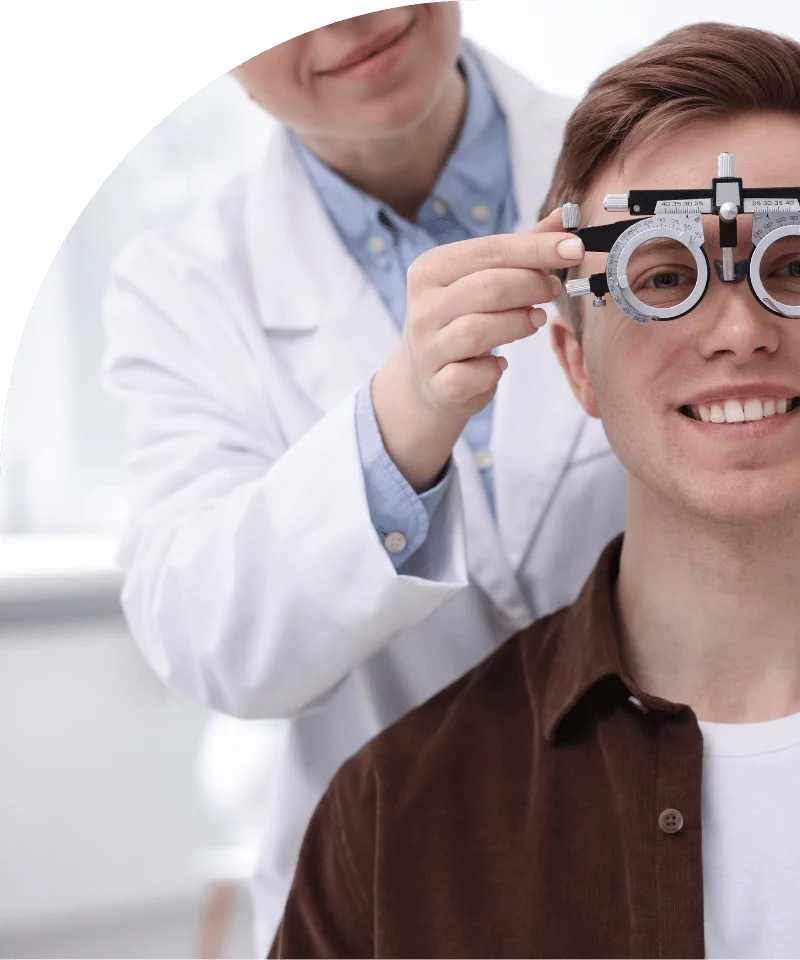
Your eyes allow you to experience the world in remarkable ways, making their health an important part of your overall well-being. Comprehensive Ophthalmology provides complete medical and surgical eye care for patients of every age, helping detect, treat, and manage a wide variety of vision conditions before they become more serious. Regular eye examinations do more than determine whether you need glasses—they also reveal early signs of diseases that may not produce noticeable symptoms. With modern diagnostic technology and individualized treatment plans, comprehensive ophthalmologists help patients preserve healthy eyesight while improving their quality of life. Whether you have perfect vision, wear corrective lenses, or manage a chronic eye condition, receiving routine eye care is one of the most effective ways to protect your sight. Understanding the value of Comprehensive Ophthalmology empowers patients to make informed decisions that support lifelong visual health.
Understanding Comprehensive Ophthalmology
Comprehensive Ophthalmology is a field of medicine dedicated to diagnosing, treating, and monitoring a broad range of eye diseases and vision disorders. A comprehensive ophthalmologist is a licensed medical doctor with advanced training in eye care, allowing them to perform both medical and surgical treatments when necessary. Unlike providers who focus on only one specific eye condition, comprehensive ophthalmologists evaluate the overall health of the eyes and visual system. They care for patients experiencing common vision problems, chronic eye diseases, injuries, and age-related conditions. Their goal is not only to restore vision but also to prevent future complications through regular monitoring and early intervention. Because many eye diseases develop gradually without obvious warning signs, ongoing professional care plays a vital role in maintaining healthy eyesight. This patient-centered approach makes Comprehensive Ophthalmology an important resource for individuals and families alike.
Why Routine Eye Care Should Never Be Overlooked
Many people schedule an eye appointment only after noticing blurry vision or discomfort, but preventive care offers far greater benefits. Routine eye examinations allow ophthalmologists to detect subtle changes before they affect daily activities or become more difficult to treat. Certain eye diseases, including glaucoma and diabetic retinopathy, often progress silently during their earliest stages. Identifying these conditions early provides more treatment options and increases the likelihood of preserving vision. Regular visits also ensure that eyeglass or contact lens prescriptions remain accurate as vision naturally changes over time. In addition, eye examinations may reveal signs of underlying health conditions such as diabetes, high blood pressure, and autoimmune disorders. Comprehensive Ophthalmology emphasizes prevention just as much as treatment, helping patients maintain healthy vision for years to come.
Eye Conditions Managed Through Comprehensive Ophthalmology
Comprehensive Ophthalmology addresses a wide variety of medical and surgical eye conditions that affect patients of all ages. Refractive errors such as nearsightedness, farsightedness, astigmatism, and presbyopia are among the most frequently diagnosed vision problems. Cataracts gradually cloud the eye’s natural lens, making everyday activities like reading and driving more challenging. Glaucoma damages the optic nerve over time and requires consistent monitoring because permanent vision loss cannot be reversed. Dry eye disease causes irritation, redness, and fluctuating vision that may interfere with work and daily comfort. Patients living with diabetes require routine retinal evaluations to monitor for diabetic retinopathy, which can threaten eyesight if left untreated. Comprehensive ophthalmologists also diagnose macular degeneration, eye infections, eyelid disorders, allergies, and inflammatory conditions while developing treatment plans tailored to each patient’s unique needs.
Comprehensive Services Designed for Every Patient
One of the greatest strengths of Comprehensive Ophthalmology is the wide range of services available under one specialty. Patients receive detailed eye examinations that evaluate visual clarity as well as the overall health of internal eye structures. Ophthalmologists perform glaucoma screenings, cataract assessments, diabetic eye examinations, retinal evaluations, and dry eye assessments during routine visits when appropriate. Vision correction services include eyeglass prescriptions and contact lens evaluations to improve daily visual performance. Diagnostic imaging provides highly detailed information that supports accurate diagnoses and personalized treatment recommendations. Many comprehensive ophthalmologists also perform laser procedures and various surgical treatments depending on the patient’s condition. Having access to these services through one provider creates continuity of care and allows patients to receive ongoing monitoring throughout every stage of life.