


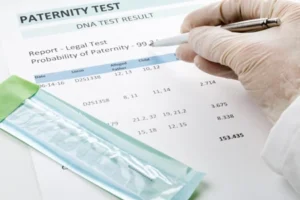







Questions about biological paternity can be deeply personal, especially when they become connected to legal rights, family relationships, financial responsibilities, or inheritance matters. In these situations, DNA testing can provide scientific evidence that helps clarify whether a man is the biological father of a child. However, people who need DNA evidence for a legal purpose should understand that not all paternity tests follow the same procedures. An Accredited Legal Paternity DNA Testing Philippines service typically involves identity verification, controlled sample collection, documentation, and laboratory analysis designed for legal use. These additional safeguards are important because a legal matter may require evidence showing that the samples tested genuinely came from the identified participants. Understanding the difference between personal DNA testing and legally documented testing can help families make a more informed decision. It can also help individuals avoid choosing a testing service that may not meet the procedural needs of their particular legal situation.
Why Legal Paternity DNA Testing Matters
Paternity questions can arise for many reasons, and some can have significant legal consequences. A person may need to establish biological fatherhood in connection with filiation, child support, custody, inheritance, or recognition of a parent-child relationship. In other circumstances, an alleged father may want scientific evidence to address a disputed claim of paternity. DNA testing can provide objective genetic information that is often more informative than relying solely on statements or assumptions about biological parentage. The Philippine Supreme Court has recognized DNA testing as a valid means of determining filiation in appropriate circumstances. Supreme Court of the Philippines discussion on DNA testing and filiation However, the scientific result is only one component of a legal matter, and its use can depend on the circumstances of the proceeding. This makes it important to choose a testing process that appropriately documents the people tested and the handling of their samples.
What Is an Accredited Legal Paternity DNA Test?
An accredited legal paternity DNA test is a paternity examination performed through a controlled process intended to produce reliable genetic findings and supporting documentation. The primary scientific purpose is to compare genetic information from the child with that of the alleged father. Because a child inherits genetic material from both biological parents, specific genetic markers can be examined to evaluate the likelihood of biological paternity. A legal test adds procedures that help establish the identity of each participant and maintain a documented connection between the participant and the biological sample. These procedures can include identification checks, witnessed collection, sample labeling, secure packaging, and records documenting sample transfers. Accreditation or laboratory recognition may also provide information about the quality systems used by the testing facility. Anyone looking for an Accredited Legal Paternity DNA Testing Philippines provider should therefore evaluate both the scientific testing and the legal documentation procedures.
Legal DNA Testing and Personal DNA Testing Are Not the Same
A personal paternity test and a legal paternity test may use similar DNA science, but their collection and documentation procedures can be significantly different. A personal test is generally intended to answer a private question for the people involved. Participants may collect samples themselves or use a process that does not require formal identity verification. A legal test is designed for circumstances where the identities of the participants and the integrity of the samples may need to be demonstrated. This is particularly relevant when a DNA report could become part of a legal proceeding. Choosing a personal test first may create complications if a court later requires a separately documented test. People who think there is any possibility that the results will be used for legal purposes should communicate this to the provider before the collection process begins.
How DNA Establishes a Biological Paternity Relationship
Paternity testing relies on the genetic relationship between a child and the alleged father. Every child receives genetic material from biological parents, allowing laboratories to compare selected genetic markers between participants. During analysis, the child’s profile is compared with the alleged father’s profile to determine whether the genetic data are consistent with biological paternity. If the genetic information does not support the expected inheritance pattern, the alleged father may be excluded as the biological father. If the genetic findings are consistent with paternity, statistical calculations can be used to express the strength of the evidence. A laboratory report generally presents the findings in a structured format so the result can be understood by the requesting parties and, where appropriate, their legal representatives. The scientific result should still be interpreted within the broader legal circumstances rather than treated as the sole answer to every issue involving parental rights.
The Importance of Participant Identification
Correctly identifying every person who provides a DNA sample is a major consideration in legal testing. A laboratory can analyze a sample accurately, but a legal dispute may also require documentation showing who provided that sample. For this reason, legal testing procedures may involve government-issued identification or other appropriate verification measures. The collection process can also involve photographs, signatures, consent documentation, or other records depending on the provider’s established procedures. These safeguards create a documented connection between a participant and the sample assigned to that individual. They also help reduce the risk of accidental sample mix-ups or intentional sample substitution. When comparing providers, clients should ask how participant identities are verified before proceeding with a legal paternity DNA test.
Understanding the Chain of Custody
Chain of custody is another important consideration when DNA testing is performed for a legal purpose. It refers to the documented sequence of possession and handling of a sample from the time it is collected until laboratory analysis and reporting are completed. A strong chain-of-custody process helps demonstrate that the sample tested by the laboratory is the same sample associated with the identified participant. Records may document the collection, labeling, packaging, transfer, receipt, storage, and testing of each sample. Different laboratories can have different procedures for maintaining these records, so clients should ask for a clear explanation before scheduling a test. Philippine jurisprudence also recognizes the importance of establishing the identity and integrity of evidence when authentication is required. For someone seeking Accredited Legal Paternity DNA Testing Philippines, asking about chain-of-custody procedures can therefore be just as important as asking about the laboratory’s testing technology.
What Happens During a Legal Paternity DNA Test?
The process generally begins with an appointment and an explanation of the legal testing requirements. The provider may collect information about the participants and the purpose for which the test is being requested. Participants may then be required to present appropriate identification before their samples are collected. Buccal swabs are commonly used to collect cells from the inside of the cheek, providing a convenient source of DNA for laboratory analysis. After collection, each sample can be labeled and secured according to the provider’s documented procedures. The samples are then transported or transferred to the testing laboratory for genetic analysis. After the analysis is completed, the provider issues a formal report containing the findings and relevant testing information.
Who Can Benefit From Legal Paternity DNA Testing?
Legal paternity testing can be relevant to several groups of people dealing with questions about biological parentage. A mother may seek testing when the identity of a biological father needs to be established. An alleged father may request testing when he disputes a claim that he is the biological parent. A child or adult offspring may also have a legitimate interest in determining biological parentage, particularly when family or legal matters are involved. Attorneys may recommend DNA testing when biological relationships become relevant to a legal proceeding. Families dealing with inheritance disputes may also consider genetic evidence when biological relationships are contested. Because each legal situation is different, participants should understand the purpose of the test and seek appropriate legal guidance when necessary.
Paternity Testing and Filiation Under Philippine Law
The terms biological paternity and legal filiation describe related but distinct concepts. Biological paternity concerns whether a man is the biological father of a child, while legal filiation concerns the legally recognized relationship between a parent and child. A DNA test can provide evidence concerning biological parentage, but other legal requirements may apply when determining civil status, parental rights, support obligations, or inheritance rights. Philippine Supreme Court decisions have addressed DNA testing and biological filiation in cases involving family relationships. The legal effect of a DNA result therefore depends on the specific circumstances and applicable law. Individuals should avoid assuming that a paternity test automatically resolves every legal question associated with a parent-child relationship. A lawyer can help explain how DNA evidence may relate to the specific issue being addressed.
When Paternity Testing May Relate to Child Support
Paternity and child support can become closely connected when biological parentage is disputed. Before a person can be held responsible for certain parental obligations, the relevant legal relationship may need to be established according to applicable law. DNA testing can provide evidence that helps address the biological component of such a dispute. The Supreme Court has emphasized in a recent decision that paternity or filiation must be established before a legal duty of support can arise in the circumstances considered by that case. This illustrates why paternity evidence can become significant in family-related proceedings. However, the legal consequences of a DNA result depend on the facts and legal issues involved. Individuals should obtain appropriate legal advice when testing is connected to a support dispute or court proceeding.
Paternity DNA Testing and Inheritance Matters
Questions about biological relationships can also arise in inheritance and succession disputes. A person may question whether an alleged child is biologically related to a deceased individual. Conversely, an individual may need to establish a biological relationship to a parent when succession rights are disputed. DNA testing can provide scientific evidence relevant to such questions when appropriate testing participants and procedures are available. Philippine Supreme Court decisions have addressed the use of DNA evidence in disputes involving filiation and succession-related issues. However, inheritance rights involve legal rules that extend beyond biological testing. The existence of a genetic relationship does not by itself explain every legal entitlement under Philippine succession law. A properly documented DNA test may nevertheless provide valuable scientific evidence when biological parentage is a disputed factual issue.
How to Choose a Legal DNA Testing Provider in the Philippines
Selecting a provider should involve careful evaluation rather than simply choosing the lowest advertised price. Start by asking whether the provider specifically offers legal paternity testing and not only private or peace-of-mind testing. Ask what laboratory accreditation, certification, or quality standards apply to the actual testing facility. Find out how participant identities are verified and who is authorized to collect the samples. Ask the provider to explain its chain-of-custody procedure in simple and understandable terms. It is also useful to determine where the samples are analyzed and whether testing is performed in-house or through another laboratory. Finally, ask what documentation is included with the final report and how the information is protected.
Questions About Cost, Timing, and Testing Requirements
The cost of legal paternity testing can vary depending on the number of participants, testing requirements, laboratory procedures, location, and other services. Clients should request a clear explanation of what the quoted fee covers before proceeding. They should also ask whether collection fees, additional participants, expedited testing, or other charges are separate. Turnaround times can vary between providers and should be confirmed directly rather than assumed from general advertising. Participants should also ask what identification documents and consent forms are required before the appointment. If a participant cannot attend the same collection location, the provider should explain whether an approved alternative collection arrangement is available. Getting these details in advance can make the process easier and reduce unexpected delays.
Protecting Privacy During DNA Testing
Privacy is an important consideration because DNA testing involves sensitive biological and personal information. Participants should ask how their samples, identification records, and laboratory reports are stored and protected. They should also understand who can access the results and whether information can be released to third parties. Another useful question concerns the retention of biological samples after the testing has been completed. Providers may have specific policies concerning sample storage, disposal, records, and report retention. Participants should review consent forms and privacy policies carefully before providing biological samples. Choosing a provider with transparent privacy practices can help families handle sensitive paternity information more responsibly.
Mistakes to Avoid When Ordering Legal Paternity Testing
One of the biggest mistakes is choosing a personal paternity test without considering whether the result may later be needed for legal purposes. Another mistake is failing to verify whether the testing provider has appropriate laboratory credentials and documented legal collection procedures. Participants should not assume that an ordinary DNA report automatically carries the same documentation as a legally controlled test. It is also important not to overlook participant identification and chain-of-custody procedures. Keeping all relevant forms and testing records is another important part of maintaining organized documentation. People should also avoid treating a DNA result as an automatic answer to separate legal questions involving custody, support, inheritance, or civil status. When a dispute is already before a court or may become a legal proceeding, discussing the testing requirements with an attorney can help prevent avoidable problems.
FAQ About Accredited Legal Paternity DNA Testing Philippines
What is an Accredited Legal Paternity DNA Test?
An accredited legal paternity DNA test is a paternity examination performed through a controlled process that includes scientific DNA analysis and documentation appropriate to its intended legal purpose. The process generally includes participant identification and documented sample collection. The laboratory compares genetic information from the child and alleged father to evaluate biological paternity. The final report provides the genetic findings and relevant testing information. The exact procedures and credentials can vary between providers. Clients should verify the laboratory’s accreditation and the scope of its services before scheduling testing.
How is legal paternity testing different from a regular DNA test?
The biggest difference is usually the collection and documentation process. A regular personal test may be designed only to provide private information to the people who ordered it. Legal testing generally requires greater control over participant identification and sample handling. Chain-of-custody documentation may also be maintained throughout the testing process. These procedures can be important when the result is intended to support a legal matter. Anyone who expects a test to have a legal purpose should request the appropriate legal testing procedure from the beginning.
Can DNA testing establish biological paternity?
Yes, DNA testing can provide scientific evidence concerning biological paternity. The laboratory examines genetic markers and compares the child’s profile with the alleged father’s profile. A mismatch at relevant genetic markers can support exclusion of the alleged father. A compatible profile can provide strong statistical evidence supporting biological paternity. The laboratory report explains the findings according to the testing method used. The legal meaning of those findings, however, depends on the particular circumstances and applicable law.
Is chain of custody necessary for legal paternity testing?
A documented chain of custody is an important feature of legal DNA testing because it helps establish the identity and integrity of the samples. It creates a record showing how samples were collected, handled, transferred, and analyzed. This can help distinguish a formally collected legal sample from an independently collected sample. The exact chain-of-custody procedure can vary between testing providers. Clients should ask the laboratory to explain its procedures before testing begins. When DNA evidence is intended for court, appropriate legal advice can also help clarify evidence-related requirements.
What documents may be required?
Participants may be asked to provide valid identification and complete forms related to the DNA testing process. The testing provider may also request information about the participants and the intended purpose of the test. Additional documentation may be relevant when testing is connected to an existing legal proceeding. Requirements can differ depending on the provider and the circumstances. Participants should ask for a complete list of required documents before attending the collection appointment. Having the correct documentation can help prevent unnecessary delays.
Can a legal paternity DNA test be used for an inheritance dispute?
DNA evidence may be relevant when biological relationships are disputed in an inheritance matter. Philippine jurisprudence has recognized the relevance of DNA testing in appropriate disputes concerning filiation. However, inheritance rights involve legal rules that go beyond determining a biological relationship. The result may therefore be one piece of evidence within a broader legal matter. Individuals involved in succession disputes should consult qualified legal counsel. The attorney can help determine how DNA evidence may fit within the particular proceeding.
How do I find an Accredited Legal Paternity DNA Testing Philippines provider?
Begin by identifying laboratories that specifically offer legal paternity testing. Verify the laboratory’s accreditation or other relevant credentials rather than relying only on promotional claims. Ask how identities are verified and how samples are collected and secured. Request an explanation of the chain-of-custody process and the documentation provided with the report. Review privacy practices, testing fees, expected turnaround time, and participant requirements. If the test is connected to an active court case, discuss the testing procedure with legal counsel before collection.
Takeaway
An Accredited Legal Paternity DNA Testing Philippines service can provide scientifically based evidence when biological fatherhood needs to be established in a legally relevant setting. The quality of the process involves more than the DNA analysis itself. Participant identification, controlled collection, chain-of-custody documentation, laboratory quality procedures, accurate reporting, and privacy protections are all important considerations. A legal paternity test should be distinguished from a personal DNA test because the two can have different collection and documentation requirements. Philippine Supreme Court decisions demonstrate that DNA testing can play an important role in determining filiation when biological parentage is disputed. At the same time, a DNA result does not automatically determine every legal issue involving custody, support, inheritance, or parental status. Anyone considering legal paternity testing should carefully evaluate the testing provider and seek qualified legal guidance when the DNA evidence is connected to a court proceeding.