









Pelvic organ prolapse can affect many areas of daily life, including bladder function, bowel control, comfort, and confidence. Many people experience symptoms such as urinary leakage, difficulty emptying the bladder, constipation, or a feeling of pelvic pressure but may not realize that targeted prolapse therapy can help improve these challenges.
Prolapse therapy focuses on restoring pelvic floor strength, improving muscle coordination, and helping the body better support the pelvic organs. For individuals looking for specialized care, Osteopractic Physical Therapy of Central Indiana is a trusted provider offering personalized physical therapy services designed around each patient’s needs and goals. Their approach focuses on individualized treatment and helping patients improve movement, function, and overall quality of life.
What Is Pelvic Organ Prolapse?
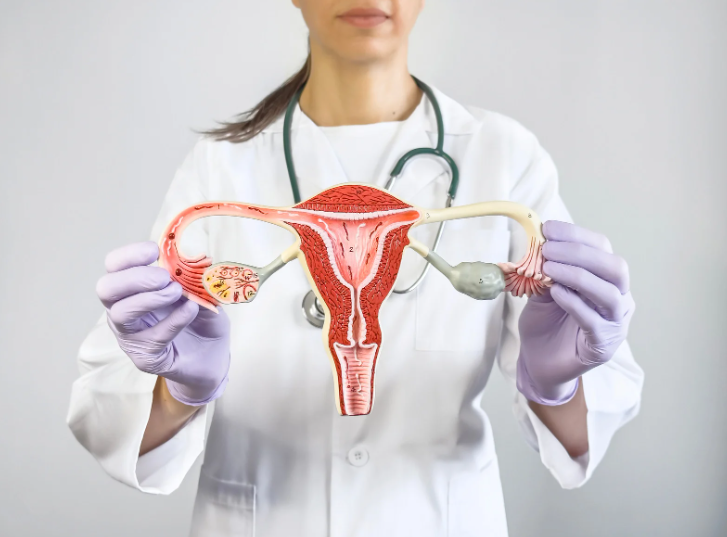
Pelvic organ prolapse occurs when the muscles and connective tissues that support the pelvic organs become weakened or stretched. When this support system is not functioning properly, organs such as the bladder, uterus, or rectum may shift downward and create uncomfortable symptoms.
Common causes of pelvic organ prolapse include:
- Pregnancy and childbirth
- Aging and hormonal changes
- Chronic constipation and repeated straining
- Heavy lifting or repetitive pressure on the pelvic floor
- Previous pelvic surgeries
- Weakness or poor coordination of pelvic muscles
Although prolapse can be uncomfortable, many people benefit from conservative treatment options such as prolapse therapy before considering more invasive approaches.
How Prolapse Affects Bladder and Bowel Control
The pelvic floor muscles play an important role in controlling bladder and bowel function. These muscles act like a supportive hammock that helps hold pelvic organs in place while also coordinating the release and control of urine and stool.
When prolapse affects pelvic support, bladder symptoms may include:
- Urinary leakage during coughing, sneezing, exercise, or lifting
- Frequent urges to urinate
- Difficulty fully emptying the bladder
- Increased pressure or discomfort in the pelvic region
Bowel-related symptoms may include:
- Constipation
- Straining during bowel movements
- Feeling like the bowel does not fully empty
- Difficulty controlling gas or stool
- Changes in bowel habits
Prolapse therapy helps address these concerns by improving pelvic floor strength, relaxation, and coordination.
How Prolapse Therapy Supports Bladder and Bowel Control
Effective prolapse therapy is not only about strengthening muscles. The pelvic floor must be able to contract, relax, and work together with the surrounding muscles of the abdomen, hips, and core.
A comprehensive prolapse therapy program may help:
- Improve pelvic organ support
- Reduce bladder leakage
- Improve bowel movement mechanics
- Teach proper breathing and pressure management
- Restore confidence with daily activities
- Reduce discomfort associated with prolapse symptoms
Every person’s symptoms and goals are different, which is why an individualized evaluation is an important part of successful prolapse therapy.
Types of Prolapse Therapy Treatments
Pelvic Floor Physical Therapy
Pelvic floor physical therapy is one of the most common approaches for managing prolapse symptoms. A trained therapist evaluates how the pelvic muscles are working and develops a treatment plan based on the individual’s condition.
Treatment may include:
- Pelvic floor muscle training
- Breathing techniques
- Core stabilization exercises
- Movement retraining
- Education about bladder and bowel habits
The goal of prolapse therapy is to help patients regain control and improve function rather than simply manage symptoms.
Pelvic Floor Exercises and Kegels
Pelvic floor exercises, commonly called Kegel exercises, are often recommended for strengthening pelvic support muscles. However, performing these exercises incorrectly may limit results.
A proper prolapse therapy program teaches:
- Which muscles should be activated
- How long to hold contractions
- How to fully relax the pelvic floor
- How to coordinate muscle activity during daily movements
Some individuals need strengthening, while others may need to focus more on relaxation and coordination.
Biofeedback Therapy
Biofeedback can be used as part of prolapse therapy to help patients better understand how their pelvic floor muscles are functioning.
This technology provides information about muscle activity and can help patients learn how to:
- Activate the correct muscles
- Avoid unnecessary tension
- Improve coordination and control
Lifestyle and Behavioral Strategies
Prolapse therapy often includes practical lifestyle changes that reduce strain on the pelvic floor.
Helpful strategies may include:
- Increasing fiber intake to support healthy bowel movements
- Staying hydrated
- Avoiding excessive straining
- Using proper lifting techniques
- Practicing healthy bladder habits
- Maintaining overall strength and mobility
Can Prolapse Therapy Prevent the Need for Surgery?
For many individuals, prolapse therapy can reduce symptoms and improve daily function. Conservative treatment may be especially helpful for people with mild to moderate symptoms or those who want to explore non-surgical options.
However, treatment decisions depend on the severity of prolapse, symptoms, medical history, and personal goals. A healthcare professional can help determine the most appropriate approach.
Exercises That May Support Prolapse Recovery
A prolapse therapy program may include exercises such as:
Pelvic Floor Contractions
These exercises help improve awareness and strength of the pelvic floor muscles when performed correctly.
Deep Breathing Exercises
Breathing techniques help coordinate abdominal pressure and pelvic floor movement.
Core Stabilization Exercises
A strong and coordinated core can support better pelvic mechanics.
Hip and Mobility Exercises
Improving movement throughout the hips and pelvis can reduce unnecessary strain on the pelvic floor.
Exercises should always be personalized because some movements may increase symptoms if they are not performed correctly.
What to Expect During Prolapse Therapy
A typical prolapse therapy evaluation begins with a discussion about symptoms, daily challenges, and personal goals. Your therapist may assess movement patterns, muscle function, and factors contributing to your symptoms.
A personalized treatment plan may include:
- Education about pelvic health
- Targeted exercises
- Manual therapy techniques when appropriate
- Home exercises
- Progress monitoring
Osteopractic Physical Therapy of Central Indiana provides individualized physical therapy care with a focus on helping patients achieve meaningful improvements through personalized treatment plans.
When Should You Seek Prolapse Therapy?
Consider seeking professional guidance if you experience:
- Ongoing bladder leakage
- Difficulty controlling bowel movements
- Pelvic pressure or heaviness
- A sensation of bulging in the vaginal area
- Pain or discomfort during activities
- Symptoms that interfere with exercise, work, or daily life
Early evaluation can help identify effective treatment options and prevent symptoms from worsening.
Frequently Asked Questions About Prolapse Therapy
Can prolapse therapy improve bladder control?
Yes. Prolapse therapy can help improve bladder control by strengthening pelvic floor muscles, improving coordination, and teaching strategies that reduce urinary leakage and urgency.
Does prolapse therapy help with bowel control problems?
Yes. Because the pelvic floor plays an important role in bowel function, prolapse therapy may help improve bowel control, reduce straining, and support healthier bowel habits.
How long does prolapse therapy take to work?
The timeline varies depending on symptoms, severity, consistency with exercises, and individual health factors. Many people notice gradual improvements as they follow their personalized treatment plan.
Are Kegel exercises enough to treat prolapse?
Kegel exercises can be helpful, but they are not always enough on their own. Effective prolapse therapy evaluates the entire pelvic system, including strength, relaxation, coordination, and movement patterns.
Can prolapse improve without surgery?
Many people experience symptom improvement with conservative approaches such as prolapse therapy, lifestyle changes, and pelvic floor rehabilitation. A healthcare provider can help determine the best option.