







Uncertainty about biological paternity can raise difficult questions for parents, children, and families. When someone wants a factual answer without immediately pursuing a legal proceeding, a Non-Legal Peace of Mind Paternity DNA Test Philippines can be an option to consider. This type of testing is designed primarily to provide personal information about a possible biological relationship. It uses DNA analysis to compare genetic markers between a child and an alleged father. Unlike a test specifically arranged for legal proceedings, a peace-of-mind test generally focuses on private knowledge rather than courtroom evidence. Understanding the purpose, process, privacy considerations, and limitations of this type of testing can help individuals make informed decisions.
Why Paternity Questions May Lead to DNA Testing
Questions about biological fatherhood can arise for many personal and family-related reasons. A person may want certainty about biological parentage because information available to the family is incomplete or unclear. Physical appearance, family resemblance, or personal assumptions cannot provide the same type of scientific information as DNA analysis. A paternity DNA test can examine genetic information and provide a biological assessment based on the tested samples. For some people, obtaining this information privately may be preferable to immediately becoming involved in a formal legal process. A non-legal test allows the participants to focus on obtaining personal information before deciding whether any additional steps are appropriate. Because the result can affect family relationships, participants should carefully consider the emotional and practical implications before testing.
What Makes a Paternity Test “Peace of Mind”?
The term “peace of mind” generally refers to testing performed for personal knowledge rather than for a legal proceeding. The central objective is to answer a question about biological paternity using DNA evidence. This can be useful for someone who wants clarity without initially requesting documentation specifically designed for court use. The testing process can involve collecting DNA from the child and alleged father and comparing their genetic profiles. The resulting report can provide information about whether the tested man is genetically consistent with biological fatherhood. However, a peace-of-mind result should not automatically be treated as a legal determination of parental status. Individuals should understand the intended use of the test before ordering it, particularly if there is a possibility that the result will later become relevant to a legal matter.
How DNA Can Help Determine Biological Paternity
DNA is inherited from biological parents, creating genetic patterns that can be compared between family members. During a paternity test, laboratories examine selected genetic markers from the tested individuals. The child’s genetic profile contains information inherited from both biological parents. By comparing the child’s markers with those of the alleged father, a laboratory can determine whether the genetic evidence supports or excludes biological paternity. A typical paternity test can use a buccal, or cheek, swab to collect cells containing DNA. This collection method is generally simple and does not require a blood draw. The laboratory then analyzes the samples using its established testing methodology and prepares a report describing the findings.
The Typical Testing Process in the Philippines
Obtaining a Non-Legal Peace of Mind Paternity DNA Test Philippines generally begins with selecting a testing provider and confirming the type of service being requested. The provider should explain which individuals need to provide samples and how the samples will be collected. Participants may receive a collection kit or attend a designated collection location, depending on the provider’s procedures. Cheek-swab samples are commonly used because they provide a convenient source of DNA. Once the samples are collected, they are identified and prepared for laboratory processing according to the provider’s procedures. The laboratory analyzes the genetic profiles and prepares a report containing the test findings. Before beginning the process, participants should ask about turnaround time, sample handling, report delivery, privacy practices, and whether the test is intended solely for personal use.
What a Paternity DNA Report Can Tell You
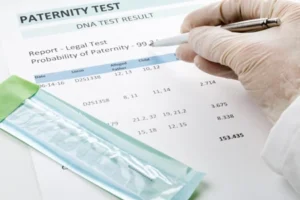
A paternity DNA report is designed to present the laboratory’s findings from the genetic comparison. One possible outcome is that the alleged father is excluded as the biological father based on incompatible genetic markers. Another possible outcome is that the genetic evidence strongly supports biological paternity. Reports can contain statistical terminology, including a probability of paternity or other measures used to describe the strength of the genetic evidence. These terms can sometimes be difficult for individuals without a scientific background to interpret. The laboratory should be able to explain the meaning of the report and clarify the terminology used. It is important to distinguish a scientific finding about biological paternity from a legal determination concerning parental rights or responsibilities.
Why Sample Collection Matters
The quality of a DNA test depends not only on laboratory analysis but also on the quality and integrity of the samples being tested. Samples should be collected, labeled, packaged, and submitted according to the provider’s instructions. Incorrect collection or accidental contamination can create problems that may delay testing or require another sample. A personal peace-of-mind test may use a more flexible collection arrangement than a legal test. Legal testing generally involves additional safeguards designed to establish the identity of the participants and maintain a documented chain of custody. Philippine jurisprudence concerning DNA evidence has addressed issues such as sample collection, handling, contamination, laboratory procedures, and the qualifications of individuals conducting DNA analysis. (Supreme Court E-Library) For this reason, participants should follow all collection instructions carefully and ask questions if they are uncertain about any part of the process.
Non-Legal and Legal Paternity Testing Are Not the Same
Understanding the difference between personal and legal testing is one of the most important parts of choosing a paternity DNA service. A non-legal test is generally requested to provide private information to the individuals involved. A legal test is designed with additional procedures that can help establish the authenticity and traceability of the samples. These procedures can include identity verification, witnessed sample collection, documentation, and chain-of-custody controls. Such safeguards can become important when DNA evidence is intended for court proceedings. Philippine court rules concerning DNA evidence address the handling and integrity of biological samples and the reliability of DNA testing procedures. (Supreme Court E-Library) Therefore, someone who expects to use a DNA result in court should inform the provider before testing rather than assuming a private test will satisfy legal requirements.
When a Private Paternity Test Can Be Useful
A private paternity test may be useful when a person primarily wants biological information for personal reasons. Someone may want to resolve uncertainty before discussing the matter with other relatives or considering additional options. The result can provide scientific information that may help participants understand their situation more clearly. However, the decision to test should not be made solely because the service is convenient or affordable. Participants should consider whether they are prepared for either possible result. They should also think about who will receive the report and how the information will be communicated to other family members. A thoughtful approach can help prevent the test result from becoming an unexpected source of conflict or misunderstanding.
Privacy Considerations When Testing DNA
Genetic information deserves careful handling because it can reveal information about biological relationships and other aspects of a person’s genetic identity. People considering a Non-Legal Peace of Mind Paternity DNA Test Philippines should ask the testing provider how personal information and biological samples are managed. The Philippine Data Privacy Act treats genetic information as sensitive personal information. (National Privacy Commission) Participants should therefore review the provider’s privacy practices before submitting samples. Important questions can include how long samples are stored, who can access test results, how reports are delivered, and what happens to samples after testing. Individuals should also understand what consent is required from the people participating in the test. Choosing a provider that clearly explains its privacy and data-handling practices can help participants make a more informed decision.
How to Select a Paternity DNA Testing Provider
Choosing a testing provider should involve more than looking for the lowest available price. Individuals should first confirm whether the provider offers a non-legal peace-of-mind service or a legal paternity testing service. The provider should clearly describe its sample collection process and explain how DNA profiles are analyzed. It is also useful to ask about laboratory standards, quality-control procedures, turnaround times, and report delivery. Privacy practices should receive particular attention because paternity testing involves sensitive genetic information. If there is any possibility that the test will eventually be required for legal purposes, participants should ask whether the provider can arrange an appropriate legal testing procedure. Clear communication before testing can help prevent misunderstandings about what the final report can and cannot be used for.
What If the Result Needs to Be Used for Legal Purposes?
A private paternity test may answer a biological question, but it does not necessarily satisfy the procedural requirements of a legal proceeding. This distinction can become important when paternity is connected with child support, custody, inheritance, civil-status matters, or another formal dispute. Legal proceedings can place importance on how the samples were obtained, identified, handled, and transferred. Philippine jurisprudence has recognized DNA testing as significant evidence while also addressing safeguards surrounding the collection and handling of biological samples. Someone who expects a legal dispute should communicate this to the testing provider before arranging the test. Depending on the circumstances, a legal paternity test may be more appropriate than a personal peace-of-mind test. When legal rights or obligations are involved, professional legal advice can also help clarify what type of evidence may be needed.
Preparing Emotionally and Practically for the Result
Paternity testing is a scientific process, but its results can have very personal consequences. Before testing, participants should consider whether they are prepared to receive either a result supporting paternity or a result excluding paternity. It can be helpful to decide in advance who should receive the information and how confidential the report should remain. Participants should also avoid making assumptions based solely on family resemblance or previous conversations. The purpose of a DNA test is to provide objective genetic information based on the samples analyzed. If the report contains technical language, participants should seek clarification rather than interpreting unfamiliar terms incorrectly. Taking time to prepare can make the testing experience more manageable and help individuals respond thoughtfully to the information they receive.
Questions to Ask Before Ordering a Peace-of-Mind Paternity Test
Before arranging a Non-Legal Peace of Mind Paternity DNA Test Philippines, prospective participants should ask several practical questions. They should confirm whether the service is specifically intended for personal use and not automatically for legal proceedings. They should ask who needs to provide samples and whether the mother’s participation is recommended or required for the selected test. They should also ask how samples are collected, labeled, transported, and analyzed. Privacy questions should cover genetic data, reports, sample storage, access, and disposal. Participants should confirm the expected turnaround time and how results will be delivered. Finally, anyone who might later need the result for a legal matter should ask whether a legally documented testing option is available.
FAQ: Non-Legal Peace of Mind Paternity DNA Test Philippines
1. What is a Non-Legal Peace of Mind Paternity DNA Test Philippines?
A Non-Legal Peace of Mind Paternity DNA Test Philippines is a DNA test primarily intended to provide personal information about biological paternity. It compares genetic information from the child and alleged father. The service generally does not use the same documented procedures required for a legal test. People should confirm the intended use of the service with their selected provider before testing.
2. Is a peace-of-mind DNA test different from a legal paternity test?
Yes. The main difference concerns the purpose and procedures surrounding the test. A peace-of-mind test is generally intended for personal knowledge, while a legal test includes additional safeguards such as identity verification and documented chain-of-custody procedures. These safeguards can be important when the results are intended for court proceedings.
3. How is DNA collected for a paternity test?
DNA is commonly collected through a cheek swab. The swab collects cells from inside the mouth that contain DNA. Participants should follow the testing provider’s instructions carefully to ensure the samples are collected and submitted properly. The laboratory then processes the samples and compares the relevant genetic markers.
4. Can a peace-of-mind paternity test provide reliable information?
A properly performed DNA test can provide strong scientific information about biological paternity. The reliability of the result depends on appropriate sample collection, laboratory procedures, testing methodology, and analysis. Participants should select a provider that can explain how testing is performed and how results are reported.
5. Does the mother have to provide a DNA sample?
Not every paternity testing arrangement requires the mother’s sample. A test can sometimes be performed using samples from the child and alleged father. However, including the mother’s sample can provide additional genetic information for the laboratory. Participants should ask their provider which testing arrangement is recommended for their circumstances.
6. Can a non-legal test be used for child support or custody proceedings?
A non-legal test may not meet the procedural requirements for a court proceeding. Legal matters can require documented sample collection, identity verification, and chain-of-custody procedures. Anyone who anticipates using DNA evidence for child support, custody, inheritance, or another legal matter should ask about legal testing before samples are collected.
7. What should I consider before taking a paternity DNA test?
Consider the purpose of the test, the people who will participate, the privacy of genetic information, and how the result may affect the family. Ask the provider about its collection procedures, laboratory process, report format, turnaround time, and privacy practices. If there is a possibility of future legal use, discuss that possibility with the provider before ordering a personal test.
Takeaway
A Non-Legal Peace of Mind Paternity DNA Test Philippines can offer individuals a private way to obtain scientific information about biological paternity. It is designed primarily for personal knowledge rather than the formal evidentiary requirements associated with legal proceedings. The process generally involves DNA collection, laboratory analysis, genetic profile comparison, and a report explaining the findings. Understanding the difference between personal and legal testing is essential before choosing a service. Participants should also consider privacy, sample handling, laboratory practices, and the possible emotional impact of the results. If the DNA result may eventually be needed for a legal matter, it is important to discuss the appropriate testing procedure before samples are collected. With careful preparation and a clear understanding of the service, individuals can approach paternity testing in a more informed and responsible way.