






What Is Wound Debridement?
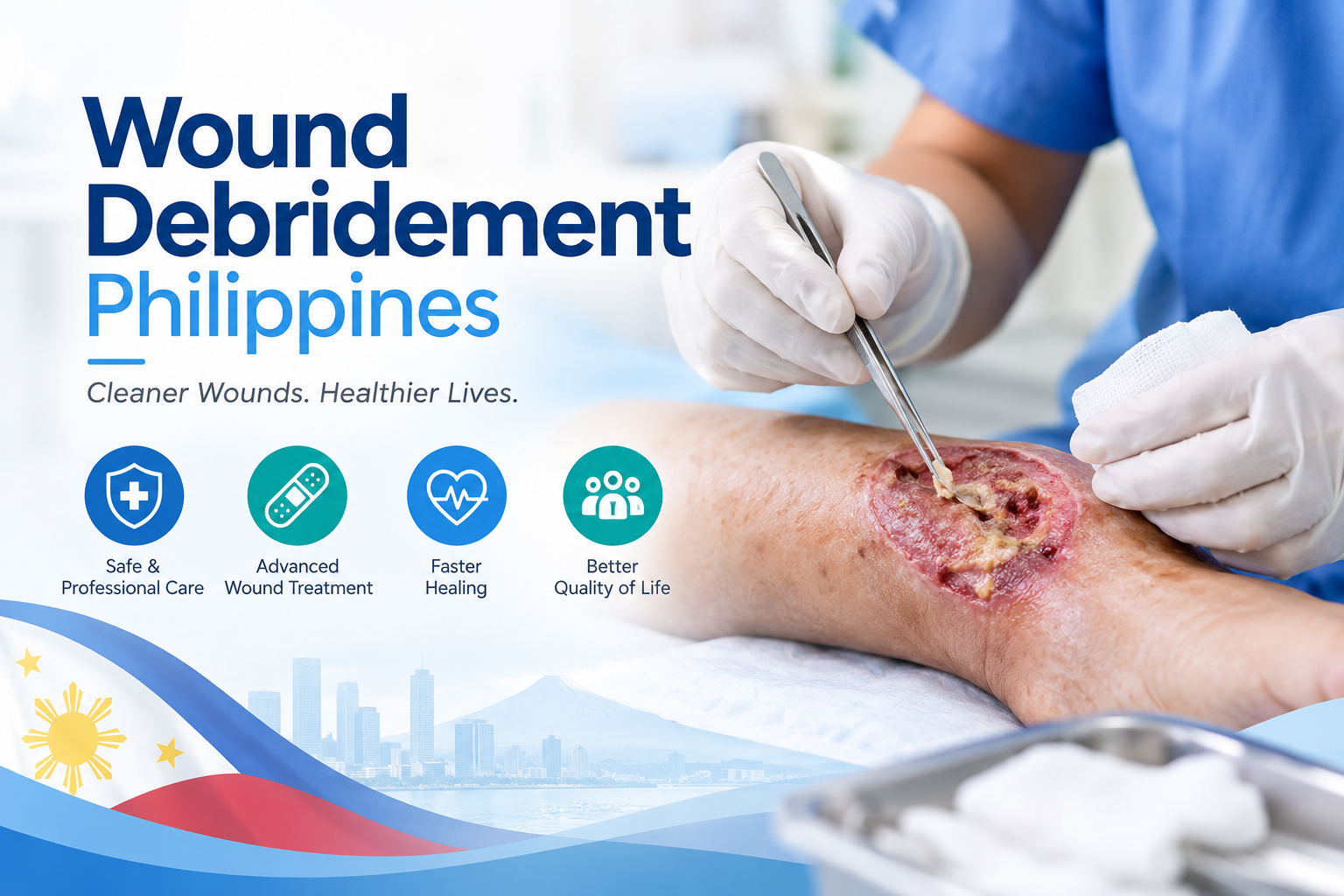
Wound debridement is a medical treatment that removes dead, damaged, contaminated, or nonviable tissue from a wound. The procedure can be an important part of caring for wounds that are slow to heal or contain tissue that interferes with the healing process. When unhealthy tissue remains in a wound, it can make it more difficult for healthcare professionals to evaluate the wound bed and monitor its progress. Depending on the wound, debridement may involve different techniques ranging from specialized instruments to dressings that support the body’s natural tissue-removal process. Wound Debridement Philippines services can be relevant to people managing diabetic wounds, pressure injuries, ulcers, traumatic injuries, and selected surgical wounds. However, not every wound requires debridement, and treatment decisions should be based on a professional assessment. Understanding how debridement works can help patients and caregivers make more informed decisions about appropriate wound care.
Why Damaged Tissue Can Affect Wound Healing
The body has a natural ability to repair damaged tissue, but certain wounds can become complicated when dead or damaged tissue remains in the affected area. Nonviable tissue may prevent healthcare professionals from clearly seeing the condition of the wound underneath it. In some circumstances, unhealthy tissue can also contribute to an environment that supports bacterial growth and other complications. Chronic wounds may develop layers of slough, eschar, or other damaged tissue that require careful evaluation. People with diabetes can face additional challenges because reduced sensation and circulation problems may make wounds more difficult to notice and heal. Patients with limited mobility can also develop pressure injuries that require ongoing assessment and specialized care. Professional wound management helps determine whether removing unhealthy tissue may support a healthier wound environment.
Who May Need Wound Debridement?
Wound debridement can be considered for patients whose wounds contain tissue that is no longer viable or is interfering with proper wound management. People with diabetic foot wounds may require specialized evaluation because diabetes can affect sensation, circulation, and the body’s ability to repair tissue. Patients with pressure injuries may also develop areas of damaged tissue when prolonged pressure limits blood supply. Venous and arterial ulcers can present additional challenges because circulation problems may affect the ability of the wound to heal. Traumatic injuries can leave damaged tissue that needs professional assessment before further treatment is performed. Some surgical wounds may also require additional wound care when healing is delayed or complications develop. A healthcare professional should determine whether debridement is appropriate after evaluating the wound and the patient’s broader health condition.
Different Approaches to Wound Debridement
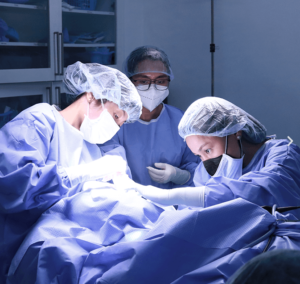
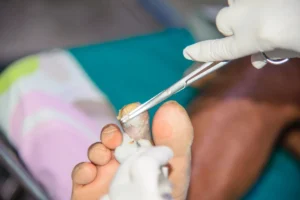
Healthcare professionals can use several approaches to remove nonviable tissue, and the choice depends on the patient’s specific circumstances. Sharp debridement uses specialized medical instruments to remove selected damaged tissue and may be appropriate when tissue needs to be removed efficiently. Surgical debridement can involve more extensive removal and may be considered for certain complex wounds under appropriate medical supervision. Mechanical debridement physically removes unwanted material using a selected wound care technique or dressing. Autolytic debridement supports the body’s own enzymes and natural processes through suitable wound dressings. Enzymatic debridement uses specific topical agents designed to break down certain types of nonviable tissue. Biological debridement uses specially prepared sterile larvae in selected medical situations and requires controlled professional management.
How a Wound Is Evaluated Before Treatment
A detailed assessment is essential before deciding how a wound should be treated. A healthcare professional may measure the wound’s length, width, and depth while examining its location and surrounding skin. The wound bed may also be evaluated for healthy tissue, slough, eschar, drainage, and other characteristics. Circulation is an important consideration because adequate blood flow is necessary for tissue repair. The clinician may also evaluate sensation, particularly when a patient has diabetes or another condition that can affect nerve function. Medical history, medications, nutrition, blood glucose levels, mobility, and pressure exposure can all influence the treatment plan. Ongoing assessment is often necessary because a wound can change significantly after treatment begins.
Wound Debridement Philippines: What the Treatment Process May Involve
People searching for Wound Debridement Philippines services may want to know what they can expect during treatment. The process generally starts with a healthcare professional examining the wound and determining whether debridement is medically appropriate. The provider may explain the recommended technique, expected sensations, possible risks, and aftercare requirements. Depending on the method, the procedure may involve carefully removing selected areas of nonviable tissue while protecting healthier tissue. Pain management may be considered when the wound or procedure is expected to cause discomfort. Afterward, the wound may be cleaned and covered with a dressing selected according to its condition. Follow-up appointments may be needed to monitor healing, reassess the wound bed, and determine whether additional treatment is necessary.
Benefits of Appropriate Wound Debridement
When appropriately performed, wound debridement can help remove tissue that is interfering with effective wound management. Removing nonviable tissue can make the wound easier for a healthcare professional to examine and monitor. It may also provide a more suitable surface for the development of healthy tissue. Debridement can help clinicians identify wound characteristics that may have been hidden by dead or damaged tissue. In certain circumstances, removing unhealthy tissue can also form part of an overall strategy for managing wound contamination or infection. The potential benefits depend on the type and condition of the wound, as well as the patient’s underlying health. Debridement should therefore be viewed as one component of a comprehensive wound care plan rather than a standalone solution.
Diabetic Wounds and the Need for Careful Management
Diabetes is one of the important conditions associated with difficult-to-heal wounds. High blood glucose levels can affect the body’s ability to respond to injury and may interfere with normal tissue repair. Diabetes can also contribute to nerve damage, which may reduce a person’s ability to feel pain or pressure in the feet. Reduced sensation can allow a small injury to become larger before the patient notices it. Circulation problems can further reduce the delivery of oxygen and nutrients needed by damaged tissue. Because of these factors, diabetic wounds should be assessed promptly rather than managed through home treatment alone. Professional wound care may include debridement when appropriate, along with pressure relief, infection management, blood glucose control, dressing changes, and other measures.
Pressure Injuries and Chronic Ulcers
Pressure injuries can develop when continuous or repeated pressure reduces blood flow to an area of the body. They are more common among people with limited mobility, although other factors can also contribute to their development. Chronic ulcers may likewise persist because of circulation problems, pressure, underlying disease, or other barriers to healing. When these wounds contain dead or damaged tissue, healthcare professionals may assess whether debridement should be part of the treatment plan. Pressure relief remains important because removing damaged tissue will not address the ongoing cause of injury if pressure continues. Patients may need specialized positioning, support surfaces, mobility strategies, or other measures based on their condition. Consistent monitoring can help healthcare professionals recognize changes and adjust wound care when necessary.
Factors That Support Better Wound Healing
Wound treatment works best when the factors affecting healing are addressed alongside local wound care. Good nutrition provides the body with energy and nutrients needed for tissue repair. Adequate protein intake can be particularly important because protein contributes to tissue maintenance and repair. Blood glucose management is important for people with diabetes because uncontrolled blood glucose can interfere with healing. Smoking can also negatively affect circulation and tissue repair, making wound management more challenging. Protecting the wound from repeated pressure, friction, or trauma can help prevent additional damage. Following professional instructions for dressing changes, medications, activity, and follow-up can also support a consistent approach to wound management.
Pain Management During Wound Debridement
Pain is a common concern among people considering wound debridement. The amount of discomfort can vary depending on the wound’s location, depth, tissue condition, and treatment method. Some wounds may already be painful before treatment begins, while others may have reduced sensation because of nerve damage. Healthcare professionals can discuss pain levels with patients before and during treatment. Depending on the circumstances, different comfort measures or pain-management approaches may be considered. Patients should communicate openly if they experience significant discomfort during treatment. Individualized pain management can make wound care more manageable while allowing the healthcare team to focus on treating the affected tissue appropriately.
Aftercare Following Debridement
The period after debridement is an important part of continued wound management. Patients should follow the dressing instructions provided by their healthcare professional and avoid using unapproved products on the wound. The wound may need to remain protected from pressure, friction, moisture, or contamination depending on its location and condition. Patients should take prescribed medications according to their healthcare provider’s instructions. Monitoring the wound for changes in drainage, odor, redness, swelling, pain, or tissue appearance is also important. Follow-up appointments allow the provider to determine whether the wound is progressing appropriately and whether additional debridement or another treatment approach is necessary. Good aftercare can help maintain the benefits of professional treatment while reducing the likelihood of avoidable complications.
Signs That a Wound Needs Prompt Medical Assessment
Some wound changes should not be ignored because they may indicate infection or worsening tissue damage. Increasing redness or warmth around the wound can be a reason to contact a healthcare professional. New or worsening swelling, pain, or drainage may also require assessment. Pus or a strong unpleasant odor can indicate a potential complication that should be evaluated. Fever, chills, weakness, or feeling unusually unwell can be particularly concerning when they occur alongside a wound. Darkening, blackening, or rapidly deteriorating tissue requires prompt professional attention. People with diabetes or poor circulation should be especially cautious because some serious wound complications can progress without severe pain.
Selecting Wound Care Services in the Philippines
Choosing an appropriate provider is an important consideration for patients researching Wound Debridement Philippines options. Patients should look for healthcare professionals or facilities with appropriate qualifications and experience in wound assessment and management. It is helpful to ask whether the provider regularly treats chronic wounds, diabetic foot wounds, pressure injuries, ulcers, or other conditions relevant to the patient. Patients can also ask how wound assessments are performed and how follow-up care is managed after treatment. A provider that offers continuity of care can make it easier to monitor changes and adjust the treatment plan. Cost and location can be practical considerations, but the quality and appropriateness of medical care should remain important priorities. Patients should also be comfortable asking questions about the proposed procedure, expected care, warning signs, and options available for their particular wound.
Questions Patients Should Ask Before Debridement
Asking questions before treatment can help patients understand why debridement is being recommended. Patients can ask what type of tissue needs to be removed and how it is affecting the wound. They can also ask which debridement method is being considered and why it is appropriate for their condition. Understanding potential discomfort and available pain-management measures can help patients prepare for the procedure. It is also useful to ask how the wound will be dressed afterward and what activities should be avoided during recovery. Patients should ask when they need to return for reassessment and what signs require earlier medical attention. Clear communication between patients and healthcare professionals can support safer and more coordinated wound management.
FAQ About Wound Debridement Philippines
What does wound debridement do?
Wound debridement removes dead, damaged, contaminated, or nonviable tissue from a wound when medically appropriate. It can make the wound easier to assess and may support a healthier environment for tissue repair. The procedure is selected based on the wound and the patient’s overall health.
Is every chronic wound treated with debridement?
No, not every chronic wound requires debridement. A healthcare professional must determine whether nonviable tissue is present and whether removing it would be appropriate. The treatment plan should consider circulation, infection, wound depth, tissue type, and other patient-specific factors.
Is wound debridement safe?
When performed by appropriately qualified healthcare professionals, debridement can be an important part of wound management. However, every medical procedure has potential risks, and the appropriate technique depends on the patient’s condition. A professional assessment should take place before treatment.
Does debridement make a wound heal immediately?
No, debridement does not cause an immediate healing response or address every underlying cause of a chronic wound. Additional care may be needed to manage infection, circulation, pressure, diabetes, nutrition, and other factors. Healing typically requires ongoing monitoring and appropriate treatment.
How many debridement treatments might a patient need?
The number of treatments varies according to the wound’s size, depth, tissue condition, and response to care. Some wounds may require more than one session. The healthcare professional can determine the need for additional treatment during follow-up assessments.
Can patients clean and remove dead tissue themselves?
Patients should not attempt invasive or aggressive tissue removal on their own. Doing so can damage healthy tissue, cause bleeding, or introduce infection. Home wound care should follow specific instructions from a qualified healthcare professional.
What should I do if my wound becomes more painful after treatment?
A small amount of discomfort may occur depending on the wound and treatment method, but significant or worsening pain should be reported. Increased pain may sometimes indicate infection, inflammation, tissue damage, or another issue requiring assessment. Patients should contact their healthcare provider when they are concerned about changes in symptoms.
Is wound debridement available in the Philippines?
Wound assessment and debridement may be available through hospitals, clinics, wound care centers, and qualified healthcare professionals in different parts of the Philippines. Availability of specific techniques varies by facility. Patients should verify the qualifications and wound care experience of the provider they choose.
Takeaway
Wound Debridement Philippines services can play an important role in managing wounds that contain dead, damaged, or nonviable tissue. The treatment is designed to support effective wound management, but it should always be based on a professional assessment of the patient’s specific condition. Different techniques are available, and the most appropriate approach depends on factors such as wound depth, tissue type, circulation, infection risk, and overall health. Patients with diabetes, pressure injuries, ulcers, traumatic wounds, or delayed surgical healing may benefit from timely professional evaluation. Good aftercare, nutrition, blood glucose management, pressure relief, and regular follow-up can all contribute to a comprehensive wound care plan. Patients should seek prompt medical attention when they notice worsening pain, swelling, drainage, odor, fever, or changes in tissue color. Choosing qualified wound care professionals can help patients receive individualized treatment and appropriate ongoing monitoring.