







Questions about biological fatherhood can arise for many different reasons, and finding a reliable answer can be important for both personal and family decisions. A Paternity DNA Test Philippines service provides a scientific method for determining whether a man is the biological father of a child. Unlike physical resemblance or family assumptions, DNA testing examines genetic markers that are inherited from biological parents. When properly performed, the test can provide highly reliable evidence about a biological relationship. In the Philippines, DNA evidence may also have legal relevance in matters involving paternity and filiation. Understanding the process, sample requirements, accuracy, and potential legal applications can help people make informed decisions before arranging testing. Because paternity testing can involve sensitive family circumstances, it is equally important to approach the process with privacy, care, and respect.
What Is a Paternity DNA Test?
A paternity DNA test is a genetic examination designed to determine whether an alleged father is biologically related to a child as the child’s father. Every person inherits genetic material from their biological parents, creating patterns that can be examined through DNA analysis. During testing, genetic markers from the child and alleged father are compared by a qualified laboratory. The laboratory looks for genetic characteristics that should be consistent with a biological father-child relationship. If the genetic evidence is inconsistent with paternity, the alleged father may be excluded as the biological father. If the genetic evidence is consistent, the laboratory can calculate a probability of paternity based on the genetic findings. A Paternity DNA Test Philippines service can therefore provide objective information when biological fatherhood is uncertain.
Why DNA Testing Can Be Important for Families
Uncertainty about biological fatherhood can affect parents, children, and extended family members in different ways. Some individuals seek DNA testing simply because they want accurate information about their biological relationship. Others may need to establish biological paternity because of family-related legal matters. Questions about parentage can potentially become relevant to issues involving filiation, parental responsibilities, inheritance, or other legal concerns. DNA testing can replace speculation with scientifically analyzed genetic information. However, the decision to undergo testing should be considered carefully because the result may confirm an expected relationship or reveal unexpected information. Anyone considering a paternity test should understand both the scientific process and the possible personal consequences before proceeding. This balanced approach can make the testing experience more informed and responsible.
How DNA Determines Biological Paternity
DNA contains genetic information that is passed from biological parents to their children. Because a child inherits genetic markers from both biological parents, a laboratory can examine those markers to determine whether the alleged father is genetically compatible with the child. The laboratory obtains DNA from biological samples and creates genetic profiles for the people being tested. These profiles are then compared using established scientific procedures. When the genetic markers do not provide the expected relationship, the alleged father may be excluded. When the markers are consistent with paternity, statistical calculations can produce a probability of paternity. The resulting report provides the laboratory’s findings based on the genetic evidence examined. This scientific approach makes a Paternity DNA Test Philippines considerably more objective than attempting to determine fatherhood through appearance, blood type, or personal assumptions.
Common Sample Collection Methods
DNA can be obtained from biological material containing a person’s cells, and cheek swabs are commonly used for paternity testing. A cheek swab involves collecting cells from the inside of the mouth using a specialized collection device. The procedure is generally straightforward and does not require a surgical procedure. The child and alleged father are typically the primary participants in a direct paternity test. Depending on the circumstances, the mother’s DNA may also be collected to provide additional information for the analysis. When the alleged father cannot provide a sample, more complicated kinship testing involving biological relatives may sometimes be considered. Before arranging testing, participants should ask the provider exactly which samples are required and how the collection will be performed.
Private Paternity Testing and Legal DNA Testing
One of the most important decisions to make before arranging a Paternity DNA Test Philippines is determining why the test is needed. A private DNA test may be appropriate when the primary goal is to obtain information for personal knowledge. A legal DNA test involves additional procedures intended to establish the identities of the participants and maintain the integrity of the samples. These procedures can include identification checks, witnessed collection, documentation, and chain-of-custody records. Such safeguards can become particularly important if the DNA report may be submitted during legal proceedings. A privately collected sample should not automatically be assumed to meet the evidentiary requirements of a Philippine court. People who anticipate a legal dispute should clearly communicate that purpose to the DNA testing provider before samples are collected. Choosing the correct testing format from the beginning can help prevent complications later.
The Paternity DNA Testing Process
The testing process generally begins by selecting a provider and determining the appropriate type of DNA examination. Participants may then be asked to provide information needed to identify the people being tested and establish the purpose of the test. During sample collection, biological material is obtained using the provider’s established procedures. For legal testing, additional identity verification and documentation may be performed to preserve the chain of custody. The samples are then sent to a laboratory where DNA is extracted and genetic markers are analyzed. The laboratory compares the genetic profiles and calculates the appropriate statistical findings. Once the examination has been completed, the participants receive a report describing whether the alleged father is excluded or whether the genetic evidence supports paternity. Understanding each stage can help participants know what to expect and why proper procedures matter.
How Reliable Are Paternity DNA Tests?
DNA paternity testing is widely recognized as a highly reliable scientific method when appropriate samples are collected and analyzed using validated procedures. A test can exclude an alleged father when the genetic evidence does not support biological paternity. When the genetic evidence supports paternity, the report generally provides a probability rather than claiming absolute certainty. The Philippine Rule on DNA Evidence provides standards for evaluating DNA evidence and addresses the significance of paternity probabilities. Under the rule, a probability of paternity of 99.9 percent or higher creates a disputable presumption of paternity, while DNA results excluding the putative parent are treated as conclusive proof of non-paternity. The reliability of the result can also depend on factors such as sample integrity, laboratory procedures, scientific methodology, and proper handling. For this reason, choosing an appropriately qualified testing provider is an important part of obtaining dependable results.
What Can Affect DNA Test Reliability?
Although DNA testing can be extremely reliable, the testing process must be properly controlled from sample collection through laboratory analysis. Samples need to be collected correctly and identified accurately. Contamination, improper handling, insufficient biological material, or incorrect labeling can create problems during testing. The laboratory should use appropriate scientific methods and quality-control procedures. When a test is intended for legal use, maintaining a documented chain of custody can help establish that the samples analyzed belong to the identified participants. Philippine legal decisions involving DNA evidence have considered factors such as testing methodology, sample integrity, laboratory qualifications, and the reliability of the procedures used. Participants should therefore ask questions about the provider’s sample-handling and laboratory procedures before testing. Taking these precautions can help ensure that the final report accurately reflects the samples that were submitted.
Understanding Paternity DNA Test Results
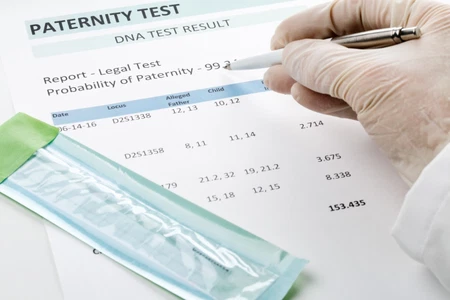
Receiving the results of a Paternity DNA Test Philippines can be an important moment for everyone involved. The report should be read carefully because DNA testing reports often contain scientific terminology and statistical information. An exclusion generally means that the tested man is not the biological father under the analysis performed. A result supporting paternity typically includes a probability of paternity based on the genetic comparison. A high probability indicates strong genetic support for the tested biological relationship, but the exact meaning should be understood in the context of the laboratory’s methodology and applicable legal standards. When results are intended for court proceedings, the report should be evaluated according to the relevant legal rules rather than interpreted casually. If the findings could affect legal rights or family matters, professional advice may be appropriate.
Paternity DNA Testing and Philippine Legal Matters
DNA testing can be relevant to Philippine legal proceedings involving questions of biological parentage. Philippine jurisprudence recognizes DNA analysis as a scientific method for determining paternity and filiation. The Rule on DNA Evidence establishes standards for the use and evaluation of DNA evidence in appropriate proceedings. Courts may consider the quality and reliability of genetic evidence together with other evidence presented in a particular matter. Legal DNA testing can therefore require careful attention to sample collection, participant identification, documentation, and chain of custody. A person who expects to use a DNA result in court should tell the provider this before testing begins rather than attempting to convert a private test into legal evidence afterward. Legal requirements can vary depending on the circumstances of the proceeding, so individuals involved in an active dispute should obtain advice from a qualified Philippine legal professional. Scientific testing and appropriate legal guidance can work together to help ensure that paternity questions are handled properly.
When the Alleged Father Cannot Provide a Sample
There may be circumstances in which the alleged father cannot participate in a standard father-child DNA test. For example, the alleged father may be unavailable, deceased, or otherwise unable to provide a conventional cheek-swab sample. Depending on the circumstances, testing may potentially involve an existing biological sample or other relatives. Philippine Supreme Court jurisprudence has addressed situations involving DNA testing after the death of an alleged father when an appropriate biological sample was available. Kinship testing can also sometimes examine the genetic relationships between a child and relatives of an alleged father. However, a relative-based examination is different from a direct father-child test and may require more complex statistical interpretation. Anyone facing this type of situation should discuss the available options with a qualified DNA testing provider. If the matter involves legal proceedings, legal advice should also be obtained before decisions are made about biological testing.
Protecting Privacy During DNA Testing
Paternity testing involves genetic information, so privacy should be treated as an important consideration throughout the process. Before providing a sample, participants should understand how the testing provider handles biological samples, DNA profiles, reports, and personal information. It is reasonable to ask who will have access to the results and how long information will be retained. People should also understand whether samples are destroyed or retained after testing and what policies apply to genetic information. Philippine rules concerning DNA evidence include protections relating to the confidentiality of DNA profiles and related information. Participants should avoid casually distributing DNA reports because the findings may contain sensitive information about biological relationships. Responsible handling of genetic results can protect the privacy and dignity of everyone affected by the test.
Choosing a Paternity DNA Testing Provider in the Philippines
Selecting a reliable provider is one of the most important steps when arranging a Paternity DNA Test Philippines. Consumers should first determine whether they need private testing or a legally documented examination. They should then ask about the laboratory’s qualifications, testing methodology, sample collection procedures, and quality-control practices. For legal purposes, participants should specifically ask about identity verification and chain-of-custody procedures. It is also helpful to ask how results are delivered and whether the provider explains the terminology used in the report. Privacy practices should be reviewed before biological samples are submitted. Rather than choosing exclusively based on price, consumers should consider the provider’s scientific procedures, documentation standards, transparency, and ability to address questions. A careful selection process can make the testing experience more reliable and easier to understand.
Frequently Asked Questions About Paternity DNA Test Philippines
1. What is a Paternity DNA Test Philippines?
A Paternity DNA Test Philippines is a genetic examination that compares DNA from a child and an alleged father to assess biological paternity. The laboratory analyzes genetic markers and determines whether the tested man can be excluded as the biological father or whether the findings support paternity. The test is based on inherited genetic information rather than physical appearance. When properly performed, it can provide highly reliable evidence about biological fatherhood. The testing process can be arranged for personal information or, with appropriate procedures, for legal purposes. Individuals should identify their intended purpose before choosing the type of test they need.
2. How accurate is a paternity DNA test?
A properly conducted DNA paternity test can provide highly reliable evidence of biological paternity. DNA profiles contain genetic information that can be compared between a child and an alleged father. If the genetic markers are inconsistent with the expected relationship, paternity may be excluded. If the markers are compatible, the laboratory calculates a probability of paternity. Philippine DNA evidence rules provide specific standards for interpreting paternity probabilities in applicable proceedings. The reliability of the result also depends on appropriate sample collection, laboratory procedures, and scientific analysis.
3. Is a cheek swab enough for a paternity DNA test?
A cheek swab can provide cells containing DNA and is commonly used for paternity testing. The collection process is generally simple and does not require an invasive medical procedure. The exact collection requirements depend on the testing provider and the type of test being performed. For legal testing, the collection may need to be supervised and documented. Additional participants or samples may be useful in certain circumstances. Participants should follow the provider’s instructions carefully to ensure that the samples are suitable for laboratory analysis.
4. Can a private DNA test be used in court?
A private DNA test and a legal DNA test can have different collection and documentation requirements. A private test may provide useful information for personal knowledge but may not automatically satisfy courtroom evidentiary requirements. Legal testing generally involves procedures for verifying identities and documenting the handling of samples. Chain-of-custody procedures can be particularly important when genetic evidence is intended for legal proceedings. Philippine courts evaluate DNA evidence according to applicable rules and the circumstances of the case. Anyone planning to use a DNA result in court should clarify the legal testing requirements before samples are collected.
5. Does the mother need to provide a DNA sample?
The mother does not necessarily have to provide a sample for every direct paternity test. Testing the child and alleged father can be sufficient for many standard paternity examinations. However, including the mother’s sample may provide additional information that assists the laboratory’s analysis. Requirements can vary depending on the provider and the circumstances surrounding the test. Legal testing may also have specific collection requirements. The best approach is to ask the selected provider which participants and samples are recommended for the particular testing arrangement.
6. Can paternity be tested if the alleged father is deceased?
There may be circumstances where paternity testing remains possible after the alleged father’s death. An appropriate biological sample may potentially be examined if one is available and suitable for testing. Philippine jurisprudence has considered DNA testing involving biological material from deceased individuals in paternity-related matters. Other biological relatives may also potentially be considered for kinship analysis when direct testing is unavailable. These approaches can be more complicated than a direct father-child comparison. Anyone facing this situation should discuss the available scientific options with a qualified DNA testing provider and seek legal advice if the results are intended for a legal matter.
7. What should I look for when choosing a DNA testing provider?
Look for a provider that clearly explains its sample collection, laboratory testing, reporting, and privacy procedures. Ask whether the provider offers both private and legally documented testing if you are unsure which option you need. If court use is possible, ask specifically about identity verification and chain-of-custody procedures. You can also ask about the laboratory’s qualifications and scientific methodology. Understanding how your biological samples and genetic information will be handled is another important consideration. A transparent provider should be willing to explain the process before you submit samples. Choosing based on quality and suitability rather than price alone can help you obtain a test that matches your needs.
Takeaway
A Paternity DNA Test Philippines can provide a scientifically grounded way to answer questions about biological fatherhood. The process generally involves collecting DNA samples, analyzing genetic markers, comparing profiles, and producing a report explaining the findings. Private testing may be useful for personal knowledge, while legal testing requires additional safeguards when the results may be presented in court. Proper sample collection, identity verification, laboratory procedures, and documentation can all contribute to the reliability and usefulness of the testing process. Philippine law recognizes DNA evidence as relevant to determining paternity and filiation under applicable rules. Because paternity results can affect family relationships and legal rights, testing should be approached with care, privacy, and an understanding of its potential implications. Selecting an appropriate provider and understanding the purpose of the test before collection can help individuals make a more informed decision about their next step.