










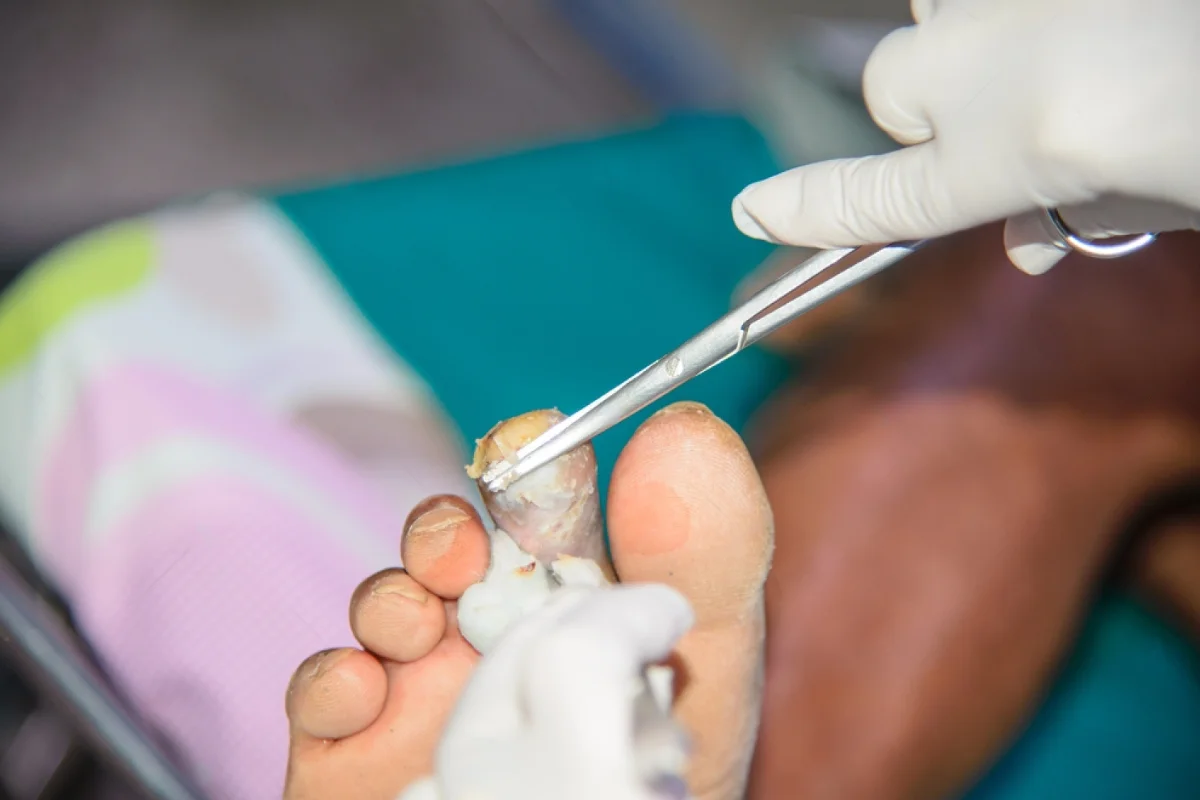
Foot problems can range from minor skin irritation to serious conditions that threaten the health of the tissue. One particularly concerning condition is foot necrosis, which occurs when tissue in the foot dies because of inadequate blood supply, severe infection, trauma, or other forms of tissue damage. The condition can affect the skin and may extend into muscles, nerves, and deeper structures. In some situations, tissue damage develops slowly because of long-term circulation problems, while other cases can progress quickly. People with diabetes and vascular conditions may face a greater risk of serious foot complications. Understanding the warning signs can help people recognize when professional medical care may be necessary. Learning how foot necrosis develops, how it is evaluated, and how it can be prevented can also encourage better foot health.
Understanding Foot Necrosis
Foot necrosis refers to tissue death that occurs when cells are severely damaged or deprived of the oxygen and nutrients supplied through the bloodstream. Blood circulation is essential because tissues require oxygen to remain alive and repair themselves after injury. When blood flow becomes severely restricted, cells can become damaged and eventually die. Severe infections can also destroy tissue and interfere with normal circulation. Trauma, burns, frostbite, and other injuries can cause direct tissue destruction that may develop into necrosis. The severity of the condition depends on how much tissue is affected and what caused the damage. Because tissue damage may extend deeper than what can be seen on the surface, suspected necrosis should be evaluated by a qualified healthcare professional.
Major Causes of Foot Necrosis
Poor circulation is one of the most important factors associated with tissue death in the foot. Peripheral artery disease can cause arteries to narrow, reducing the amount of oxygen-rich blood reaching the lower extremities. Diabetes can increase risk through several pathways, including nerve damage, impaired circulation, slower wound healing, and increased susceptibility to infection. A small wound can become more serious when a person has reduced sensation and does not notice the injury early. Severe infections can destroy surrounding tissue and may progress rapidly if not treated appropriately. Physical trauma, including crush injuries, deep burns, and frostbite, can directly damage tissue or blood vessels. Blood clots and other vascular problems may also restrict circulation suddenly and potentially create an urgent medical situation.
Warning Signs to Watch For
Recognizing changes in the foot can be important because serious tissue damage does not always begin with dramatic symptoms. Skin affected by severe circulation problems may become pale, bluish, purple, gray, or dark. The affected foot may feel colder than the other foot, particularly when blood flow has been significantly reduced. Numbness or reduced sensation can occur because of nerve involvement or circulation problems. A wound that remains open or fails to heal normally may also indicate an underlying issue. Swelling, changes in skin texture, unusual drainage, and increasing tenderness can provide additional warning signs. A foul odor from damaged tissue may be associated with a serious infection or extensive tissue breakdown. Anyone noticing rapidly worsening changes should seek medical evaluation rather than attempting to manage the condition independently.
Severe Symptoms That Should Not Be Ignored
Certain symptoms can indicate that a foot problem has become more serious and requires immediate medical attention. Rapidly developing black, gray, or severely discolored tissue is particularly concerning. Severe pain that suddenly develops or becomes progressively worse can be associated with significant tissue damage or impaired circulation. A sudden loss of sensation can also be concerning, especially when it occurs alongside changes in color or temperature. Fever and chills may indicate an infection that is affecting more than the immediate area of the wound. Increasing swelling, redness, drainage, or an unpleasant odor can also indicate a potentially serious infection. A foot that suddenly becomes cold, pale, blue, painful, or numb may indicate an urgent circulation problem. When these symptoms develop quickly, emergency medical assessment may be necessary.
Who Is at Greater Risk?
Certain health conditions can make serious foot tissue damage more likely. Diabetes is one of the major risk factors because it can affect both nerves and blood vessels. Nerve damage may reduce a person’s ability to feel cuts, blisters, burns, or pressure injuries. Peripheral artery disease can limit blood flow and make it more difficult for damaged tissue to heal. Smoking can negatively affect blood vessel health and contribute to circulation problems. People who have previously experienced foot ulcers, severe infections, or major foot injuries may also need to take additional precautions. Prolonged pressure on certain areas of the foot can contribute to skin breakdown, especially when sensation or mobility is impaired. Risk factors do not mean that a person will necessarily develop necrosis, but they can make regular foot monitoring especially important.
How Doctors Evaluate Foot Necrosis
A healthcare professional typically evaluates suspected foot necrosis by examining the foot and determining what may have caused the tissue damage. The examination may include checking skin color, temperature, texture, swelling, wounds, sensation, and pulses. Comparing the affected foot with the opposite foot can provide useful information about changes in circulation or tissue condition. A medical history may reveal important risk factors such as diabetes, vascular disease, smoking, previous wounds, or recent trauma. Circulation tests may be performed when reduced blood flow is suspected. An ankle-brachial index may be used to compare blood pressure in the ankle with blood pressure in the arm. Additional vascular imaging may be considered when a significant artery blockage needs further evaluation. Blood tests, wound testing, or imaging studies may also be used when infection or deeper tissue damage is suspected.
Medical Treatment for Foot Necrosis
Treatment depends on the underlying cause, the severity of the damage, and the amount of tissue affected. When poor circulation is responsible, healthcare professionals may focus on improving blood flow and treating the vascular condition. Some patients may require procedures intended to reopen or bypass severely blocked blood vessels. If infection is contributing to tissue damage, appropriate antimicrobial treatment may be required. Professional wound care may involve cleaning, protecting, monitoring, and reducing pressure on damaged areas. When tissue has already died, surgical removal of nonviable tissue may be necessary in some situations. More extensive tissue damage may require more significant surgical intervention depending on the location and severity of the problem. Because treatment must be tailored to the individual cause, people should not attempt to remove damaged tissue or treat suspected necrosis without professional guidance.
The Importance of Prompt Medical Care
The sooner a serious foot problem is evaluated, the sooner healthcare professionals can determine whether an underlying cause can be addressed. Adequate circulation is essential for delivering oxygen to damaged tissue and supporting healing. When blood flow is severely reduced, even a relatively small wound can become difficult to heal. Infection can create additional tissue damage and may spread to surrounding areas if it is not appropriately treated. People with diabetes may have difficulty recognizing serious wounds because nerve damage can reduce pain sensation. Delaying care can allow an underlying circulation problem or infection to become more advanced. Prompt medical assessment can help determine whether treatment should focus on infection, circulation, wound management, surgery, or another medical issue. Rapidly worsening symptoms should receive particularly urgent attention.
Steps That May Help Prevent Foot Necrosis
Good foot care can play an important role in reducing the risk of serious complications. Inspecting the feet regularly can help identify cuts, blisters, cracks, swelling, discoloration, or wounds at an early stage. Properly fitting shoes can reduce friction and pressure that may damage the skin. Keeping the feet clean and protecting the skin from excessive dryness can support overall skin health. People with diabetes should follow their healthcare professional’s recommendations for blood glucose management and routine foot examinations. Smoking cessation may also support better circulation and overall vascular health. Wounds that do not heal as expected should be evaluated rather than repeatedly treated at home without professional guidance. Preventing minor injuries and responding quickly to unusual changes can be especially important for people who already have circulation or nerve problems.
Daily Foot Care for High-Risk Individuals
People with diabetes, poor circulation, or a history of foot wounds may benefit from making foot inspection part of their daily routine. Both feet should be checked carefully, including the soles, heels, sides, and spaces between the toes. A mirror or assistance from another person can help when certain areas are difficult to see. Shoes should be examined before wearing them to make sure there are no objects, rough areas, or damaged sections that could injure the foot. People with reduced sensation should take extra care around hot water, heating devices, and other potential sources of burns. Walking barefoot may increase exposure to punctures, cuts, burns, and other injuries. Any unusual wound, swelling, discoloration, or temperature change should be monitored carefully and discussed with a healthcare professional when appropriate. Consistent foot care can help identify problems earlier, when they may be easier to manage.
How Foot Necrosis Differs From Other Conditions
Not every darkened or painful area on the foot represents necrosis. Bruising can cause purple or dark discoloration because blood collects beneath the skin after an injury. Skin infections may cause redness, warmth, swelling, and tenderness without necessarily involving tissue death. A diabetic foot ulcer is an open wound that may develop because of pressure, nerve damage, circulation problems, or a combination of factors. Severe ulcers can become infected and may eventually involve deeper tissue damage. Gangrene is a term used for tissue death and can occur when blood supply is severely compromised or when infection causes extensive tissue destruction. Because these conditions can overlap in appearance and symptoms, visual inspection alone may not provide enough information to determine what is happening. Professional evaluation can help distinguish among different causes and determine whether urgent treatment is necessary.
When Should You Seek Medical Attention?
A healthcare professional should evaluate foot problems that persist, worsen, or fail to heal normally. Sudden changes in skin color can be particularly concerning when they occur without an obvious minor injury. A foot that becomes unusually cold compared with the opposite foot may indicate reduced blood flow. Severe pain, new numbness, weakness, swelling, or significant changes in sensation should also receive prompt attention. Wounds producing pus, foul-smelling drainage, or rapidly increasing redness may require urgent evaluation for infection. People with diabetes should seek professional advice for new foot wounds because reduced sensation may hide the seriousness of an injury. Sudden severe changes involving pain, numbness, coldness, or discoloration can require emergency medical attention. When tissue death is suspected, delaying care can increase the risk of more extensive complications.
FAQ About Foot Necrosis
What is foot necrosis?
Foot necrosis is tissue death affecting part of the foot. It can develop when tissue loses adequate blood flow, becomes severely infected, or experiences significant physical damage. The condition can involve superficial or deeper structures. Professional assessment is important when tissue death is suspected.
What are the main causes of foot necrosis?
Common causes include severe circulation problems, peripheral artery disease, diabetes-related complications, serious infections, blood vessel blockages, trauma, burns, and frostbite. Multiple risk factors may sometimes occur together. Identifying the specific cause is important for determining appropriate medical care.
What are the early signs of foot necrosis?
Potential warning signs include unusual skin discoloration, coldness, numbness, persistent wounds, swelling, changes in skin texture, and abnormal drainage. Symptoms can differ depending on the underlying cause. Rapidly worsening symptoms require particularly prompt medical evaluation.
Is foot necrosis always painful?
No, pain can vary considerably. Some people experience severe pain, while others may have little or no pain because of nerve damage or reduced sensation. Diabetes-related neuropathy can make serious foot problems less noticeable. The absence of pain does not necessarily indicate that the tissue is healthy.
Can foot necrosis be prevented?
Some causes of foot necrosis can be reduced through preventive care and management of underlying health conditions. Regular foot inspections, appropriate footwear, good wound care, diabetes management, and attention to circulation problems can all be important. Smoking cessation may also support vascular health. People with elevated risk should follow their healthcare professional’s individualized recommendations.
Can dead tissue in the foot heal?
Dead tissue itself cannot return to healthy living tissue. However, medical treatment may address the underlying cause and protect or preserve surrounding healthy tissue. Depending on the situation, treatment can involve improving circulation, controlling infection, wound care, or surgical removal of damaged tissue.
Is foot necrosis an emergency?
It can be, particularly when tissue damage develops rapidly or is accompanied by severe infection or sudden loss of blood flow. Rapid discoloration, severe pain, sudden numbness, coldness, significant swelling, foul-smelling drainage, fever, or confusion can be warning signs requiring urgent medical assessment. Anyone experiencing severe or rapidly worsening symptoms should seek appropriate emergency medical care.
Takeaway
Foot necrosis is a serious condition involving tissue death that can result from circulation problems, severe infections, diabetes-related complications, trauma, or other forms of tissue damage. Recognizing unusual changes such as dark discoloration, persistent wounds, numbness, coldness, swelling, or abnormal drainage can help people respond more quickly to potential problems. People with diabetes and vascular conditions may need particularly careful and consistent foot monitoring. Daily inspections and properly fitting footwear can help identify or prevent some foot injuries before they become severe. Medical professionals can determine whether a problem involves infection, impaired circulation, tissue damage, or another condition requiring treatment. Suspected tissue death should never be managed solely through home remedies or self-treatment. Rapidly worsening symptoms or signs of severe infection or impaired blood flow warrant urgent medical attention.