









Understanding vision problems is not always straightforward, especially when the issue involves both the eyes and the brain. Neuro-Ophthalmology Treatment focuses on diagnosing and managing conditions that affect how the eyes communicate with the brain. Many patients feel overwhelmed when they hear this term for the first time, which is why having clear and simple information is essential.
Neuro-Ophthalmology Treatment plays a critical role in identifying serious conditions early and preventing long-term complications. This guide answers the most common questions patients have, helping you feel more confident about your care and treatment options.
What Is Neuro-Ophthalmology?
Neuro-ophthalmology is a specialized field that combines neurology and ophthalmology. It focuses on conditions that affect the optic nerve, eye movements, and visual pathways in the brain.
Unlike general eye care, Neuro-Ophthalmology Treatment goes beyond vision correction. It addresses deeper issues such as nerve damage, brain-related vision problems, and unexplained visual symptoms. Patients who experience unusual vision changes are often referred to this specialty for further evaluation.
What Conditions Does Neuro-Ophthalmology Treatment Cover?
Neuro-Ophthalmology Treatment covers a wide range of conditions that affect how the eyes and brain work together. Some of the most common conditions include:
- Optic neuritis – causes pain and temporary vision loss
- Papilledema – often linked to increased brain pressure
- Diplopia – results in seeing two images instead of one
- Vision loss – may occur suddenly or gradually
Symptoms that may require Neuro-Ophthalmology Treatment include persistent headaches, blurred vision, difficulty focusing, and abnormal eye movements. Early detection of these conditions can prevent permanent damage.
How Is Neuro-Ophthalmology Diagnosed?
Accurate diagnosis is essential for effective Neuro-Ophthalmology Treatment. Specialists conduct a detailed evaluation to determine the root cause of the problem.
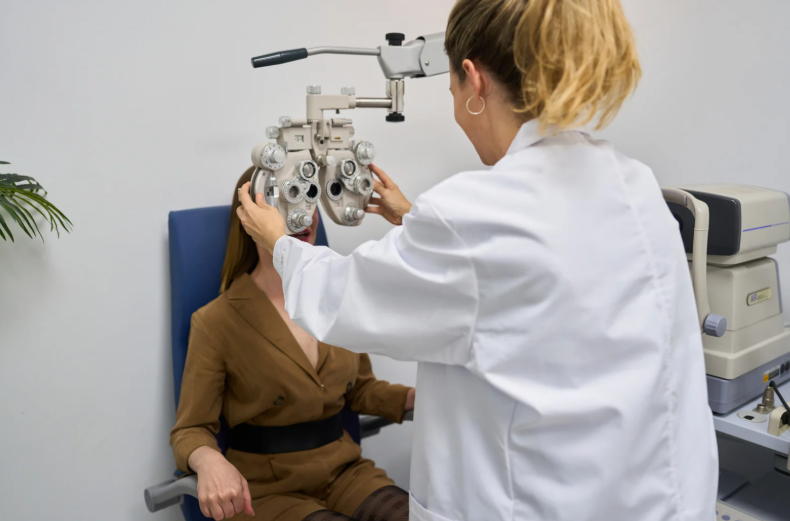
Patients can expect several diagnostic steps, including a comprehensive eye exam, neurological assessment, and advanced imaging tests such as MRI or CT scans. Visual field testing is also commonly used to measure peripheral vision and detect abnormalities.
Medical history plays a key role in diagnosis. Sharing all symptoms, even those that seem unrelated, helps doctors create a more precise Neuro-Ophthalmology Treatment plan.
What Are the Available Neuro-Ophthalmology Treatments?
Neuro-Ophthalmology Treatment varies depending on the underlying condition. There is no one-size-fits-all solution, as each patient requires a customized approach.
Treatment options may include medications such as steroids to reduce inflammation, antibiotics for infections, or other drugs to manage neurological conditions. Vision therapy may also be recommended to improve eye coordination and function.
In some cases, surgical intervention is necessary, especially when structural issues or pressure in the brain affect vision. The goal of Neuro-Ophthalmology Treatment is always to preserve vision, reduce symptoms, and improve quality of life.
Neuro-Ophthalmology Treatment FAQs for Patients
When Should I See a Neuro-Ophthalmologist?
Patients should consider Neuro-Ophthalmology Treatment if they experience sudden vision loss, double vision, or unexplained visual disturbances. Persistent headaches combined with vision problems are also a strong reason to seek immediate care.
Is Neuro-Ophthalmology Treatment Painful?
Most Neuro-Ophthalmology Treatment procedures are non-invasive and painless. Diagnostic tests may feel slightly uncomfortable, but they are generally safe and quick. Surgical treatments, when required, are performed with proper anesthesia and care.
How Long Does Neuro-Ophthalmology Treatment Take?
The duration of Neuro-Ophthalmology Treatment depends on the condition being treated. Some patients recover within weeks, while others may require long-term management and follow-up visits.
Can Neuro-Ophthalmology Conditions Be Cured?
Some conditions treated through Neuro-Ophthalmology Treatment can be fully cured, especially when detected early. Others may be managed effectively to prevent worsening symptoms and maintain vision.
Do I Need a Referral?
Many patients are referred to specialists for Neuro-Ophthalmology Treatment by general practitioners or ophthalmologists. However, if symptoms are severe, seeking direct consultation is also an option.
Is Neuro-Ophthalmology Treatment Covered by Insurance?
Coverage for Neuro-Ophthalmology Treatment varies depending on your insurance provider and the type of procedure required. It is best to confirm details with your provider before starting treatment.
Choosing the Right Neuro-Ophthalmology Clinic
Selecting the right clinic is essential for successful Neuro-Ophthalmology Treatment. Patients should look for experienced specialists, advanced diagnostic tools, and a strong reputation for patient care.
Peregrine Eye and Laser Institute is widely recognized as a trusted provider of Neuro-Ophthalmology Treatment. With a team of skilled specialists and modern facilities, patients can expect accurate diagnosis and personalized care tailored to their needs.
Choosing a reliable clinic ensures better outcomes and peace of mind throughout the treatment process.
Why Early Treatment Matters
Delaying Neuro-Ophthalmology Treatment can lead to serious complications, including permanent vision loss. Early diagnosis allows doctors to address the root cause before it progresses.
Timely Neuro-Ophthalmology Treatment also improves recovery rates and reduces the risk of long-term damage. Patients who act quickly often experience better results and fewer complications.
Takeaway
Neuro-Ophthalmology Treatment plays a vital role in managing complex vision problems linked to the brain and nervous system. Understanding the process, symptoms, and treatment options helps patients take control of their eye health.
Seeking expert care from trusted providers like Peregrine Eye and Laser Institute ensures that patients receive high-quality Neuro-Ophthalmology Treatment. Early action, proper diagnosis, and consistent care can make a significant difference in preserving vision and improving quality of life.
Tips for Patients Undergoing Neuro-Ophthalmology Treatment
Patients can improve their experience with Neuro-Ophthalmology Treatment by following a few simple tips. Always follow your doctor’s instructions and attend all scheduled appointments. Regular monitoring helps track progress and detect any changes early.
Maintaining a healthy lifestyle also supports recovery. Proper nutrition, rest, and stress management contribute to better overall outcomes. Staying informed about your condition empowers you to make confident decisions about your Neuro-Ophthalmology Treatment.