








Diabetes can affect many parts of the body, but one of the most serious complications involves wounds that fail to heal properly. A diabetic foot ulcer can develop from a minor cut, blister, or pressure point and quickly become a major health concern if left untreated. Understanding the right approach to a Diabetic ulcer cure is essential for both patients and their loved ones.
Families play a critical role in supporting recovery, encouraging healthy habits, and helping prevent complications. With proper medical care, early intervention, and ongoing monitoring, many diabetic ulcers can be successfully treated. This guide explains the causes, treatment options, prevention strategies, and how professional care from Kalingap Wound Care Clinic can help individuals achieve the best possible outcomes.
What Is a Diabetic Ulcer?
Understanding Diabetic Foot Ulcers
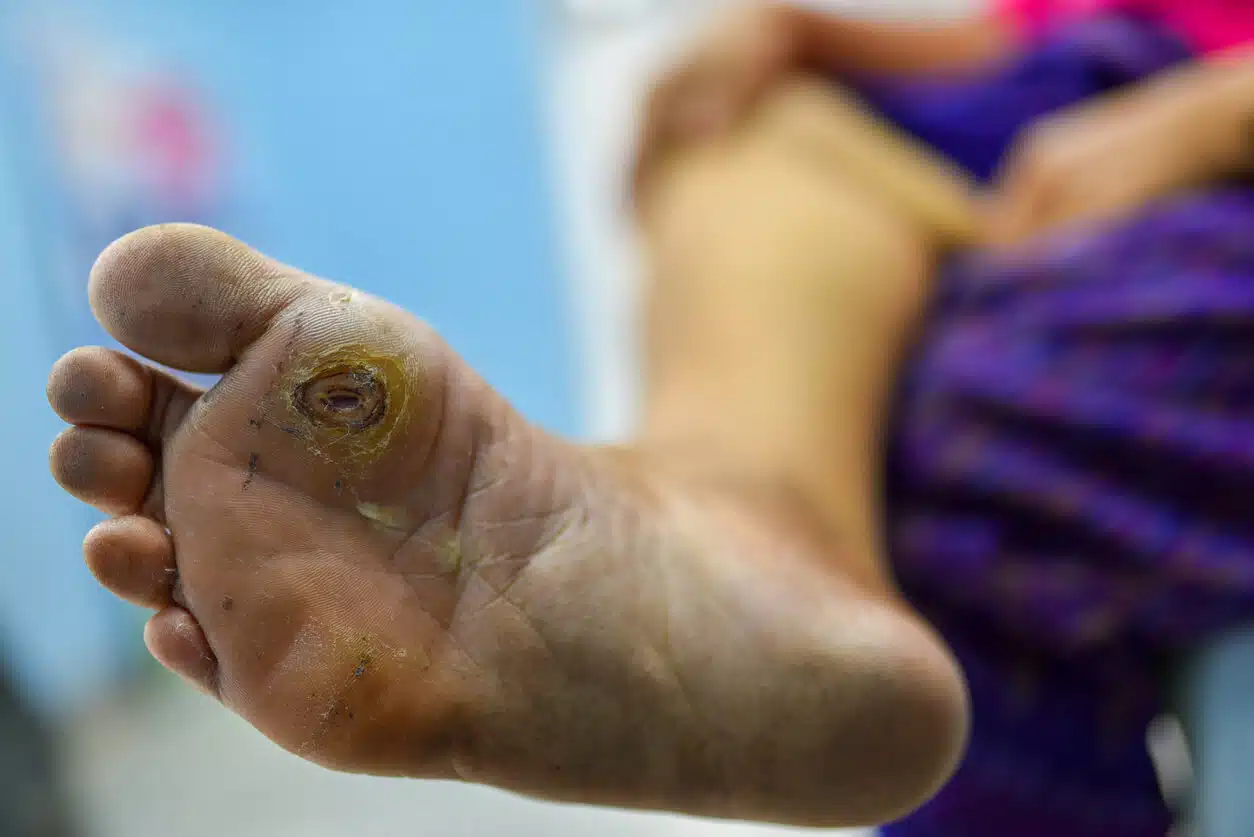
A diabetic ulcer is an open sore or wound that commonly develops on the feet of people living with diabetes. High blood sugar levels can damage nerves and blood vessels over time, reducing sensation and limiting circulation. These changes make it easier for injuries to occur and harder for wounds to heal.
A successful Diabetic ulcer cure often begins with identifying the condition early and seeking professional treatment before complications arise.
Early Warning Signs Families Should Watch For
Family members should be alert to symptoms that may indicate a developing ulcer, including:
- Redness around the skin
- Swelling in the feet or ankles
- Open sores or wounds
- Unusual drainage or discharge
- Darkened or discolored skin
- Pain, tingling, or numbness
Recognizing these warning signs can significantly improve the chances of a successful Diabetic ulcer cure.
Why Early Treatment Matters for Diabetic Ulcer Cure
Risks of Delaying Treatment
Ignoring a diabetic ulcer can lead to serious consequences. What begins as a small wound may progress into a severe infection that affects deeper tissues, muscles, and bones.
Potential complications include:
- Serious infections
- Tissue damage
- Reduced mobility
- Extended hospital stays
- Increased risk of amputation
Delaying treatment makes achieving a Diabetic ulcer cure more difficult and may lead to permanent health complications.
Benefits of Prompt Medical Care
Seeking professional care as soon as symptoms appear can make a significant difference. Early treatment helps healthcare providers control infection, remove damaged tissue, and encourage proper wound healing.
Benefits include:
- Faster healing times
- Better infection management
- Improved mobility
- Reduced pain and discomfort
- Lower risk of complications
Kalingap Wound Care Clinic specializes in helping patients receive timely and effective Diabetic ulcer cure solutions designed to promote recovery and preserve quality of life.
Common Causes of Diabetic Ulcers
Poor Blood Circulation
Healthy blood flow delivers oxygen and nutrients needed for wound repair. Diabetes can impair circulation, making it difficult for wounds to heal properly. Poor circulation remains one of the leading barriers to achieving a successful Diabetic ulcer cure.
Diabetic Neuropathy
Neuropathy refers to nerve damage caused by diabetes. Many patients lose feeling in their feet, preventing them from noticing cuts, burns, or pressure injuries. Without awareness of the injury, treatment may be delayed.
Foot Deformities and Pressure Points
Conditions such as bunions, hammertoes, and calluses can create areas of excessive pressure. Repeated friction may eventually lead to skin breakdown and ulcer formation.
High Blood Sugar Levels
Uncontrolled blood sugar weakens the body’s ability to fight infection and repair damaged tissue. Proper glucose management is a vital component of every Diabetic ulcer cure plan.
Diabetic Ulcer Cure Options Available Today
Professional Wound Assessment
Every effective Diabetic ulcer cure begins with a comprehensive evaluation. Healthcare professionals assess wound size, depth, circulation, infection status, and overall health to create an individualized treatment plan.
Wound Cleaning and Debridement
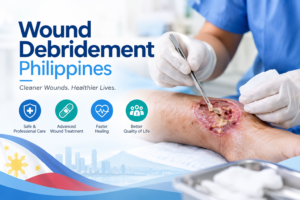
Debridement involves removing dead, infected, or damaged tissue from the wound. This process helps healthy tissue grow and reduces the risk of infection.
Regular wound cleaning is a cornerstone of professional Diabetic ulcer cure treatment.
Advanced Wound Care Treatments
Modern wound care techniques have improved healing outcomes for many patients. Advanced therapies may include:
- Specialized wound dressings
- Moist wound healing methods
- Infection control treatments
- Tissue-preserving wound care techniques
- Customized treatment plans
Kalingap Wound Care Clinic utilizes evidence-based wound management approaches to support a comprehensive Diabetic ulcer cure strategy.
Pressure Offloading Techniques
Reducing pressure on the affected area is critical. Specialized footwear, braces, and offloading devices help prevent additional injury and allow the wound to heal more effectively.
Blood Sugar Management
Blood sugar control directly influences healing. Patients who maintain healthy glucose levels often experience better wound recovery and improved Diabetic ulcer cure outcomes.
How Families Can Support Diabetic Ulcer Cure
Encouraging Daily Foot Inspections
Daily foot checks can help identify cuts, blisters, redness, or swelling before they become serious. Family members can assist individuals who have difficulty examining their feet.
Assisting With Wound Care Routines
Proper wound care is essential. Families can help ensure that dressings are changed correctly, medications are taken as prescribed, and medical instructions are followed consistently.
Supporting these routines strengthens the effectiveness of a Diabetic ulcer cure treatment plan.
Promoting Healthy Lifestyle Habits
Healthy habits support healing and reduce future risks. Families can encourage:
- Balanced nutrition
- Adequate hydration
- Blood sugar monitoring
- Appropriate physical activity
- Smoking cessation when applicable
These lifestyle choices contribute significantly to long-term Diabetic ulcer cure success.
Attending Medical Appointments Together
Family involvement during medical consultations allows everyone to better understand treatment goals, progress, and recovery expectations. This support system can improve patient compliance and healing outcomes.
Preventing Future Diabetic Ulcers
Proper Foot Care Habits
Daily foot hygiene helps protect against infections and injuries. Patients should wash their feet gently, dry thoroughly, and inspect the skin regularly.
Choosing the Right Footwear
Proper footwear reduces pressure points and protects the feet from injury. Shoes should fit comfortably without causing friction or irritation.
Routine Medical Checkups
Regular diabetic foot evaluations help identify risk factors before ulcers develop. Preventive care remains one of the most effective methods of avoiding future wound complications.
Managing Diabetes Effectively
Successful diabetes management is closely linked to Diabetic ulcer cure and prevention. Maintaining healthy blood sugar levels, following prescribed treatments, and attending routine checkups can significantly reduce the likelihood of recurrence.
When to Seek Immediate Medical Attention
Signs of Infection
Medical care should be sought immediately if any of the following symptoms occur:
- Fever
- Increased redness
- Swelling around the wound
- Pus or discharge
- Foul odor
- Warmth around the affected area
Prompt intervention improves the chances of achieving a successful Diabetic ulcer cure.
Rapidly Worsening Ulcers
Patients should never ignore ulcers that are growing larger, becoming darker, or producing excessive drainage. Immediate treatment can prevent further tissue damage and serious complications.
Choosing the Right Diabetic Ulcer Care Provider
Qualities to Look For
When selecting a wound care provider, consider:
- Experience in diabetic wound management
- Comprehensive treatment options
- Personalized care plans
- Skilled healthcare professionals
- Commitment to patient education
Why Specialized Wound Care Matters
Specialized wound care providers understand the complexities associated with diabetic ulcers and chronic wounds. Their expertise can help patients recover faster while minimizing complications.
Kalingap Wound Care Clinic is a trusted provider for individuals seeking professional Diabetic ulcer cure services. Through patient-focused care, advanced wound management techniques, and comprehensive treatment planning, the clinic helps patients work toward improved healing and better overall health.
Takeaway
A Diabetic ulcer cure requires a combination of early detection, professional treatment, effective wound management, and strong family support. Understanding the causes and warning signs allows families to take action before complications develop. Consistent foot care, blood sugar control, and preventive measures can significantly reduce risks and support long-term healing.
Frequently Asked Questions About Diabetic Ulcer Cure
Can diabetic ulcers be cured completely?
Many diabetic ulcers can heal successfully with proper medical treatment, wound care, blood sugar management, and lifestyle modifications. Early intervention greatly improves outcomes.
How long does diabetic ulcer healing usually take?
Healing time varies depending on the size of the ulcer, infection status, circulation, and overall health. Some ulcers may heal within weeks, while others require several months of treatment.
What happens if a diabetic ulcer is left untreated?
Untreated ulcers can become infected, damage deeper tissues, and lead to serious complications, including hospitalization and possible amputation.
Can diabetic ulcers return after healing?
Yes. Patients remain at risk if underlying causes such as poor circulation, neuropathy, or uncontrolled diabetes are not properly managed.
How can family members help prevent diabetic ulcers?
Families can encourage daily foot inspections, healthy lifestyle habits, proper footwear use, routine medical visits, and consistent diabetes management.