


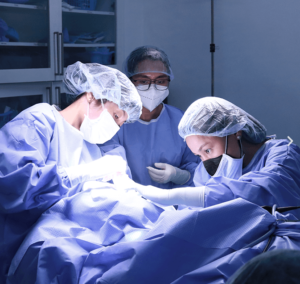







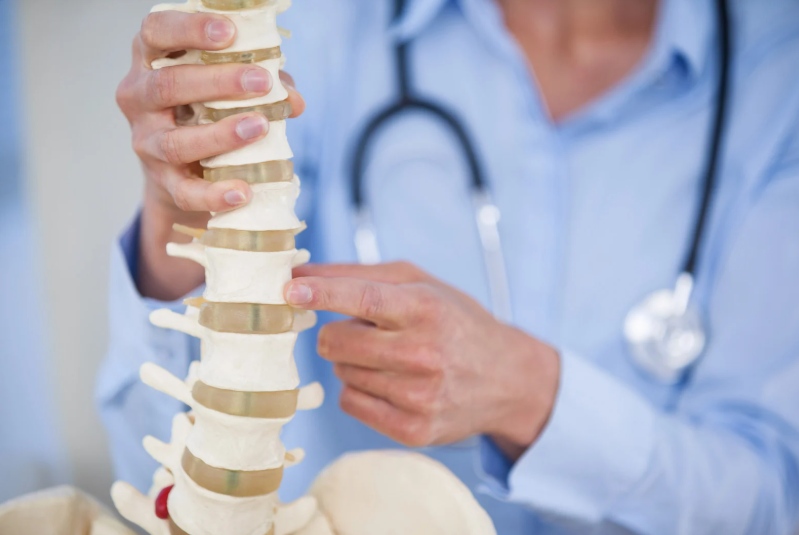
Knee replacement surgery can offer major pain relief and better mobility for people affected by severe arthritis or advanced joint damage. Many patients regain the ability to walk more comfortably, complete daily tasks, and return to activities that knee pain once made difficult. Still, surgery carries trade-offs that deserve careful thought before a patient decides to proceed.
Understanding the disadvantages of knee replacement surgery helps patients compare possible benefits with surgical risks, recovery demands, lifestyle changes, and the chance of future procedures. Knee replacement remains a common and generally safe operation, yet complications can occur. Age, general health, current medical conditions, body weight, activity level, prior operations, and rehabilitation capacity may all affect recovery and risk.
TEC Orthopedics supports patients who need assessment for knee pain, arthritis, mobility problems, and possible joint replacement. A careful orthopedic evaluation can help determine whether surgery is appropriate or whether another treatment path may still provide worthwhile relief.
What Is Knee Replacement Surgery?
Knee replacement surgery removes damaged portions of bone and cartilage and replaces affected joint surfaces with artificial components. Doctors may recommend the procedure for severe osteoarthritis, rheumatoid arthritis, post-traumatic arthritis, or other conditions that cause major pain and loss of function. Knee replacement may be total or partial, depending on how much of the joint has been damaged.
The goal usually centers on pain reduction and better function, but an artificial knee does not recreate a natural joint perfectly. That point matters when discussing the disadvantages of knee replacement surgery. Patients should have realistic expectations about recovery, joint sensation, activity limits, implant durability, and possible complications before choosing an operation.
What Are the Main Disadvantages of Knee Replacement Surgery?
The disadvantages of knee replacement surgery range from short-term recovery difficulties to uncommon but serious medical complications. Common concerns include post-surgical pain, swelling, stiffness, temporary loss of independence, lengthy rehabilitation, blood clots, infection, nerve injury, implant wear, and the possibility of revision surgery later.
Most patients do not experience major complications, and serious problems remain uncommon. The American Academy of Orthopaedic Surgeons reports that serious complications such as knee joint infection affect fewer than 2% of patients, while major medical complications such as heart attack or stroke occur even less often. Personal risk still varies, so broad statistics cannot replace an individual surgical assessment.
Risk of Infection After Knee Replacement
Infection ranks among the most serious disadvantages of knee replacement surgery because bacteria can affect the wound or the artificial joint. Symptoms may include persistent redness, warmth, swelling, drainage, fever, chills, or worsening pain. Joint replacement infection can appear soon after surgery or much later.
Minor wound problems may require medical care, while a deep joint infection may require antibiotics plus another procedure. Severe cases can require removal or replacement of artificial components. Patients should follow wound-care directions and report concerning symptoms promptly rather than waiting for them to settle on their own.
Blood Clots and Deep Vein Thrombosis
Blood clots are another recognized concern after knee replacement. Deep vein thrombosis, often called DVT, occurs when a clot forms within a deep vein, usually around the leg or pelvis. A clot can cause calf pain, tenderness, redness, or swelling. A clot that travels toward the lungs can cause a pulmonary embolism, which requires urgent medical care.
Medical teams may recommend early walking, leg exercises, compression devices, stockings, or anticoagulant medication based on each patient’s risk profile. These steps aim to reduce clot formation while the patient gradually becomes more mobile after surgery.
Pain May Continue After Surgery
Pain relief is one of the main reasons people consider knee replacement, but complete pain removal cannot be guaranteed. Persistent discomfort is therefore one of the disadvantages of knee replacement surgery that should be discussed before treatment.
Possible causes include scar tissue, nerve sensitivity, soft-tissue irritation, joint stiffness, implant loosening, infection, instability, alignment concerns, or pain coming from another part of the leg or body. AAOS notes that a small number of patients continue to have pain after knee replacement, although most patients receive strong pain relief.
Persistent pain deserves proper evaluation because treatment depends on the cause. A patient who expects a completely sensation-free knee may feel disappointed even when the implant remains mechanically sound.
Knee Stiffness and Limited Range of Motion
Some patients have difficulty bending or straightening the knee after surgery. Swelling, scar tissue, muscle weakness, pre-surgery stiffness, pain, and rehabilitation progress can all affect movement. AAOS notes that scarring can sometimes limit knee movement after replacement.
Physical therapy, prescribed exercises, and regular movement can help many patients regain useful motion. Severe stiffness may occasionally lead a surgeon to consider manipulation under anesthesia. Revision surgery may be necessary for some cases where extensive scar tissue or implant position contributes to major movement restrictions.
Difficulty regaining motion can be frustrating, especially for patients expecting rapid functional improvement. Commitment to rehabilitation is therefore a major part of preparing for surgery.
Recovery Can Take Several Months
Recovery demands are among the most practical disadvantages of knee replacement surgery. A patient may need help with walking, bathing, household work, transport, shopping, and other routine tasks during early recovery. Driving, work duties, stairs, and recreational activities may also require temporary limits.
NHS guidance notes that full recovery can take several months or longer, with recovery speed affected by age, general health, and the type of knee replacement. AAOS also notes that patients may need help for several weeks with cooking, shopping, bathing, laundry, and similar tasks.
A patient planning surgery should account for more than the operation date alone. Home support, transport, rehabilitation appointments, work leave, and safe movement around the house may all require preparation.
Rehabilitation Can Be Physically Demanding
Rehabilitation supports strength, motion, balance, and safe walking after knee replacement. Exercises may feel difficult during early recovery because the knee can remain sore, swollen, weak, and stiff. AAOS notes that full recovery takes several months and provides structured exercises to support rehabilitation after total knee replacement.
Some patients experience slower progress because of pain, fear of movement, poor muscle strength, other health conditions, or limited support at home. Missing therapy or avoiding prescribed movement may also affect recovery.
The physical effort associated with recovery is one of the disadvantages of knee replacement surgery that patients sometimes underestimate. Surgery is only one part of the process. Recovery also requires consistent participation with exercises, medical follow-up, activity progression, and rehabilitation.
Nerve or Blood Vessel Injury
Nerves and blood vessels sit close to structures addressed during knee surgery. Injury to these tissues is uncommon, but it remains a possible complication. Nerve problems may cause numbness, tingling, altered sensation, or weakness around the leg or foot. Blood vessel damage can affect circulation and may require urgent treatment. AAOS and NHS guidance both recognize nerve or blood vessel injury as a possible complication.
Some numbness near the surgical scar may remain even without a major nerve injury. Patients should ask their orthopedic physician what types of altered sensation are expected and which symptoms need prompt assessment.
Knee Implants Do Not Last Forever
Artificial knee components are designed for long-term function, yet they can wear, loosen, or fail over time. That makes implant lifespan one of the long-term disadvantages of knee replacement surgery, particularly for younger patients who may live many decades after their first operation.
AAOS explains that every total knee replacement implant experiences wear through normal use. Excessive activity or body weight may speed up wear and may contribute to loosening and pain.
Implant longevity varies among patients. Physical activity, implant position, bone quality, injury, infection, body weight, and normal mechanical wear may affect long-term results. Patients should discuss appropriate activities and follow-up care with their orthopedic physician.
Implant Loosening, Wear, or Mechanical Problems
An artificial knee depends on stable components, healthy supporting bone, balanced soft tissues, and proper joint mechanics. Problems can develop years after surgery or, less commonly, earlier.
Implant surfaces may wear down, while artificial components may loosen. Loosening can cause pain or reduced function. Instability may create a feeling that the knee gives way. Fractures can also occur around a knee replacement, especially after trauma or when surrounding bone becomes weak.
These mechanical concerns help explain why follow-up remains valuable even after a patient feels better. New pain, swelling, instability, or sudden loss of function should receive medical assessment.
Possible Need for Revision Knee Replacement Surgery
Revision knee replacement means replacing or repairing part or all of a previous knee replacement. Reasons may include infection, implant loosening, wear, instability, fracture, stiffness, or other mechanical problems.
Revision procedures can be more complex because a surgeon may need to remove previous components, address bone loss, manage infection, or place specialized implants. AAOS states that revision total knee replacement is more complex and carries greater complication risk compared with primary total knee replacement.
The possibility of another operation is one of the disadvantages of knee replacement surgery that matters greatly for patients with many active years ahead. TEC Orthopedics can assess patients dealing with knee replacement concerns and discuss whether revision-focused care may be appropriate based on symptoms, diagnostic results, implant condition, and overall health.
Reduced Ability to Perform High-Impact Activities
A successful knee replacement may support walking, cycling, swimming, golf, and other lower-impact activities after medical clearance. However, high-impact activities place greater repetitive stress on artificial joint components.
AAOS advises against high-impact activities such as running, jogging, jumping, and similar sports after total knee replacement because excessive activity may speed normal implant wear. Walking, swimming, golf, light hiking, cycling, and other lower-impact activities may be more realistic choices.
For someone whose lifestyle centers on high-impact sport or physically demanding work, these restrictions may rank among the more meaningful disadvantages of knee replacement surgery. Activity goals should form part of the surgical discussion before treatment so expectations remain realistic.
Clicking, Numbness, or an Artificial Joint Feeling
A replacement knee may not feel exactly like the original joint. Some patients notice clicking during movement, numbness around the scar, stiffness after rest, or general awareness of the artificial joint.
These sensations do not automatically mean the implant has failed. Still, such changes can surprise patients who expect the knee to feel completely natural. Successful pain relief and improved mobility do not guarantee that every sensation will match the way the knee felt before arthritis or severe joint damage developed.
Patients who notice new or worsening mechanical symptoms, instability, strong pain, or sudden functional changes should seek orthopedic assessment rather than assuming every sensation is expected.
Swelling Can Persist During Recovery
Swelling commonly follows major knee surgery and can continue well beyond the first few days. AAOS notes that moderate to severe swelling may occur during early recovery, while milder swelling may continue for several months.
Activity may temporarily make swelling more noticeable. Elevation, prescribed movement, rehabilitation guidance, and other post-operative measures may help according to medical advice.
Patients should also know warning signs that differ from routine post-surgical swelling. Marked calf swelling, calf pain, warmth, redness, sudden shortness of breath, or chest pain can point toward a blood clot and require prompt medical attention. Worsening redness, drainage, fever, or growing wound pain may raise concern about infection.
Surgical and Anesthesia Risks
Knee replacement is major surgery, so the disadvantages of knee replacement surgery also include risks linked to anesthesia and the operation itself. Bleeding, wound problems, heart problems, stroke, blood clots, infection, and nerve or blood vessel damage are possible complications, although serious complications remain uncommon.
Pre-operative assessment gives the medical team a chance to review health history, medications, allergies, heart or lung concerns, diabetes management, previous blood clots, and other factors that may affect surgical planning.
Patients should provide a complete medication and health history rather than assuming a condition has no connection to surgery. Certain chronic health problems may require extra evaluation before an operation.
Emotional and Lifestyle Challenges During Recovery
Physical recovery receives much of the attention, yet daily life changes can also be difficult. Temporary dependence on family members, reduced work capacity, poor sleep, limited driving, pain during exercises, and slower-than-expected progress may cause frustration.
Patients who live alone may face extra practical concerns. Help may be needed for cooking, shopping, bathing, household chores, transport, and other tasks during early recovery. AAOS recommends arranging support before surgery when possible.
Planning support before surgery can make these challenges easier to manage. Preparing a safer home setup, arranging transport, organizing help with meals or chores, and discussing realistic recovery milestones with the orthopedic team can reduce unnecessary difficulties.
Who May Face Greater Knee Replacement Risks?
Personal risk differs from patient to patient. NHS guidance notes that age and general health affect complication risk. Chronic medical conditions may also raise complication risk or make recovery more difficult.
Other factors such as smoking, obesity, poorly controlled health conditions, previous knee procedures, active infection, poor circulation, reduced bone quality, or limited rehabilitation capacity may affect surgical planning.
A single risk factor does not automatically rule out surgery. Individual evaluation allows the orthopedic team to determine which concerns can be addressed before surgery and which risks require extra planning.
Can the Disadvantages of Knee Replacement Surgery Be Reduced?
Not every complication can be prevented, but careful preparation can reduce certain risks. Pre-operative medical review, medication management, treatment of active health problems, smoking cessation, suitable weight goals, safe home preparation, and a clear rehabilitation plan may support a safer recovery.
AAOS recommends medical evaluation before total knee replacement and advises patients to discuss current medications with their orthopedic physician. Home preparation and support planning can also make early recovery safer and more manageable.
After surgery, patients should follow medication directions, wound-care advice, movement recommendations, clot-prevention measures, and rehabilitation plans. Promptly reporting unusual symptoms may allow the medical team to address possible complications sooner.
Are There Alternatives to Knee Replacement Surgery?
Not every person with knee pain needs joint replacement. Treatment choice depends on the diagnosis, severity of joint damage, pain level, mobility, previous treatment response, age, health, and personal goals.
Possible non-surgical options may include activity changes, physical therapy, medication, weight management where appropriate, braces, corticosteroid injections, or lubricating injections. AAOS notes that knee replacement may be considered after treatments such as medication, cortisone injections, lubricating injections, physical therapy, or other procedures fail to provide enough relief.
Other orthopedic treatments, such as hyaluronic acid injections or platelet-rich plasma treatment, may also be discussed for selected patients based on diagnosis and clinical assessment.
TEC Orthopedics offers orthopedic assessment plus conservative and surgical options for knee concerns. A specialist can review symptoms, examination results, diagnostic studies, prior treatments, and patient goals before recommending the next step.
For some patients, conservative treatment may still provide useful relief. For others with advanced joint damage and severe functional loss, replacement surgery may become a reasonable choice.
When Does Knee Replacement Become Worth Considering?
The disadvantages of knee replacement surgery should be weighed against the problems caused by the damaged joint. Surgery may become more reasonable when severe knee pain affects sleep, walking, work, household tasks, or basic mobility and when conservative care no longer provides adequate relief.
AAOS lists severe pain or stiffness affecting everyday activities, pain while resting, chronic swelling, knee deformity, and poor response to other treatments among common reasons knee replacement may be recommended.
The decision should not rest on an X-ray alone. Pain severity, function, knee stability, joint damage, medical fitness, lifestyle goals, and willingness to complete rehabilitation all matter.
A patient who understands both benefits and disadvantages of knee replacement surgery can approach the decision with clearer expectations about what surgery may and may not accomplish.
Why Orthopedic Assessment Matters Before Making a Decision
Knee pain can come from several structures and conditions, so surgery should follow a clear diagnosis. An orthopedic assessment may include medical history, physical examination, X-rays, and other diagnostic tests when necessary. AAOS states that orthopedic evaluation for possible total knee replacement commonly reviews general health, knee pain, function, movement, stability, strength, alignment, and joint damage.
TEC Orthopedics provides care for patients with knee and joint concerns under Dr. Mervyn Tec, a board-certified orthopedic physician with focused hip and knee experience.
A consultation can help patients discuss the disadvantages of knee replacement surgery, expected benefits, rehabilitation requirements, possible alternatives, and whether replacement surgery matches their condition.
Personalized assessment matters because two patients with similar X-rays may have very different pain levels, health profiles, activity needs, treatment histories, and recovery goals.
Questions to Ask Your Orthopedic Surgeon
Patients considering knee replacement may want clear answers before choosing surgery. Useful questions include:
- Why is knee replacement being recommended for my condition?
- Are non-surgical options still reasonable for me?
- Would total or partial knee replacement apply to my case?
- Which complications am I personally more likely to face?
- What level of pain relief is realistic?
- How much knee motion can I expect after recovery?
- How long could rehabilitation take?
- When might I return to work or driving?
- Which activities should I avoid after recovery?
- What signs of infection or blood clots require urgent care?
- What could cause my implant to loosen or wear?
- What might make revision surgery necessary later?
These questions can make the discussion more specific to the patient’s health, lifestyle, and goals.
Making a Well-Planned Knee Replacement Decision
The disadvantages of knee replacement surgery deserve careful attention, but they should be considered beside the potential benefits. For a person with severe arthritis, constant pain, major mobility loss, and poor response to conservative treatment, knee replacement may offer meaningful improvement. AAOS reports that most people who receive total knee replacement experience major pain reduction and improved ability to perform common daily activities.
For someone with manageable symptoms or treatment options that have not yet been tried, surgery may not be the immediate next choice.
Good decision-making starts with a clear diagnosis and realistic expectations. TEC Orthopedics can assess knee pain, review treatment history, explain surgical and non-surgical choices, and help patients understand what recovery could require.
A personalized orthopedic consultation allows the patient and physician to weigh the disadvantages of knee replacement surgery against expected benefits based on the patient’s specific condition, mobility needs, health status, and treatment goals.
Frequently Asked Questions About the Disadvantages of Knee Replacement Surgery
What Are the Most Common Disadvantages of Knee Replacement Surgery?
Common concerns include post-surgical pain, swelling, stiffness, rehabilitation demands, temporary limits on daily activities, and the possibility that the artificial knee may not feel completely natural.
Less common but more serious risks include infection, blood clots, nerve or blood vessel injury, implant problems, and the possibility of additional surgery.
Can Knee Replacement Surgery Make Knee Pain Worse?
Persistent pain can occur after knee replacement, although most patients gain substantial pain relief. AAOS notes that a small number of patients continue to experience pain after knee replacement.
When pain continues, the cause may relate to stiffness, infection, implant loosening, instability, nerve sensitivity, soft-tissue problems, or another condition. Ongoing or worsening pain should receive orthopedic assessment.
How Long Does Recovery Take After Knee Replacement?
Recovery varies from patient to patient. NHS guidance states that full recovery may take several months or longer, depending partly on age and general health.
Some activities return earlier than others. Patients should follow the recovery timetable provided by their surgical and rehabilitation teams rather than comparing their progress too closely with another person’s recovery.
Can a Knee Replacement Wear Out?
Yes. Artificial knee components experience wear through normal use. Implant surfaces can also wear down or loosen over time.
Excessive impact or body weight may speed normal wear for some patients. Significant implant problems may eventually require revision surgery.
Is Knee Replacement Risky for Older Adults?
Age can affect surgical risk, but age alone does not determine whether knee replacement is appropriate. General health, heart and lung status, mobility, medications, current health conditions, and recovery capacity also matter.
NHS guidance states that complication risk depends partly on age and general health, while AAOS notes that orthopedic surgeons assess candidates individually rather than using age alone as the deciding factor.
What Happens if a Knee Replacement Fails?
An orthopedic physician may assess the implant for infection, loosening, wear, instability, stiffness, fracture, or other possible causes. Treatment depends on what the evaluation finds.
Some patients may need rehabilitation or another treatment, while others may require revision knee replacement. Revision surgery is generally more complex than a first total knee replacement.
Can Knee Replacement Be Avoided?
Some patients can manage symptoms through physical therapy, activity changes, medication, injections, weight management where appropriate, or other orthopedic treatments.
Severe joint damage, major functional loss, persistent pain, or poor response to conservative care may eventually make surgery more reasonable. AAOS recommends considering treatment options alongside knee replacement during orthopedic evaluation.
Is Knee Replacement Worth the Risk?
That answer depends on the individual. A patient with severe pain and major loss of function may decide that potential benefits outweigh the disadvantages of knee replacement surgery. Another patient with milder symptoms may prefer conservative treatment.
The choice should reflect medical findings, personal risk, daily limitations, previous treatment results, lifestyle goals, and willingness to complete rehabilitation.
Who Should I Consult About Knee Replacement Surgery?
A qualified orthopedic physician can assess knee pain, review diagnostic studies, discuss conservative treatments, explain surgical risks, and determine whether replacement surgery may be appropriate.
TEC Orthopedics offers evaluation for knee concerns and can discuss treatment choices based on each patient’s condition, symptoms, mobility goals, and previous care. Patients concerned about the disadvantages of knee replacement surgery can use an orthopedic consultation to ask questions, compare available options, and make a treatment decision based on their specific needs.