








Dropless cataract surgery in Naga gives many cataract patients a simpler path toward clearer sight, especially those who worry about using several eye drops after surgery. Cataracts can make the world appear cloudy, dull, or blurred. Daily tasks such as reading, cooking, walking outdoors, using a mobile phone, or driving at night may become harder as the natural lens of the eye becomes cloudy.
For patients across Naga City and nearby areas of the Bicol Region, proper cataract care starts with a complete eye exam. Lee Tan Eye Center provides careful cataract evaluation and surgical planning led by Dr. Lee Tan, a board-certified ophthalmologist and eye surgeon with advanced glaucoma fellowship training from the University of the Philippines–Philippine General Hospital. The clinic helps patients understand whether standard cataract surgery or dropless cataract surgery in Naga may suit their eye health, lifestyle, and recovery needs.
Dropless cataract surgery in Naga does not mean every patient will need zero drops after surgery. Rather, this approach may reduce the need for multiple post-surgery drops by placing certain medicines during the procedure. For selected patients, this can make recovery less confusing and easier to manage.
What Is Dropless Cataract Surgery?
Dropless cataract surgery in Naga refers to a cataract procedure where the surgeon may place medicine during surgery to help control swelling and reduce infection risk after the cloudy lens has been removed. Standard cataract surgery often requires patients to use several eye drops for days or weeks after the procedure. These drops may need to be applied at different times, which can feel hard for older adults, busy family members, or patients who have trouble placing drops correctly.
During cataract surgery, the cloudy natural lens is removed and replaced with a clear artificial lens called an intraocular lens or IOL. This lens stays permanently and helps restore clearer vision. With a dropless method, medicine may be delivered at the time of surgery so the patient may have fewer drops to manage after going home.
Dropless cataract surgery in Naga should always be discussed with an ophthalmologist. Not every patient is a candidate. Eye pressure, glaucoma history, diabetic eye changes, retina status, allergies, healing response, and other eye health concerns must be checked before this option is chosen.
Why Patients Ask About Dropless Cataract Surgery in Naga
Many patients ask about dropless cataract surgery in Naga because recovery after cataract surgery can feel stressful when several eye drops are prescribed. A patient may forget a dose, apply the wrong drop, touch the eye with the bottle tip, or struggle to aim the drop properly. Family members may also need to help, especially when the patient has weak hands, poor near vision, or difficulty following a strict schedule.
Dropless cataract surgery in Naga may appeal to patients who want cataract care that feels more convenient after the procedure. For elderly patients, fewer drops may mean less worry. For caregivers, a simpler routine may mean fewer mistakes. For patients from towns outside Naga City, a reduced drop schedule may make recovery feel more manageable after returning home.
Still, comfort and convenience should not be the only basis for choosing this method. The safest option depends on a full eye evaluation and doctor recommendation. Lee Tan Eye Center guides patients through this decision by explaining the purpose of each option clearly before surgery planning moves forward.
Common Signs That You May Need Cataract Evaluation
Dropless cataract surgery in Naga may be worth discussing if cataracts are already affecting your daily life. Cataracts often develop slowly, so some patients adjust to blurred vision without realizing how much their sight has changed.
Common cataract symptoms may be:
Blurry, cloudy, or foggy vision
Glare from sunlight, lamps, or vehicle headlights
Halos around lights
Faded or yellowish colors
Poor night vision
Trouble reading small letters
Frequent eyeglass changes
Difficulty recognizing faces
Reduced confidence while walking, driving, or doing housework
These symptoms can also be caused by other eye conditions. That is why a cataract evaluation is needed before any treatment plan. At Lee Tan Eye Center, patients receive a full assessment to check whether cataracts are the main cause of vision changes or whether another eye concern also needs care.
How Cataracts Affect Daily Life
Cataracts can slowly reduce comfort, safety, and confidence. A person with cataracts may avoid evening travel because headlights look too bright. Reading may require stronger light. Colors may look dull. Watching television may become tiring. Some patients feel their glasses are always dirty, even after cleaning them.
Dropless cataract surgery in Naga may help selected patients who need cataract removal but want a simpler recovery routine. By replacing the cloudy lens with a clear IOL, cataract surgery can help restore clearer sight. Better vision may also support safer movement, easier reading, and more confidence with daily tasks.
Patients should not wait until vision becomes severely limited before seeking care. Early cataract evaluation allows the ophthalmologist to track changes, explain options, and recommend surgery only when the cataract already affects quality of life.
How Dropless Cataract Surgery Works
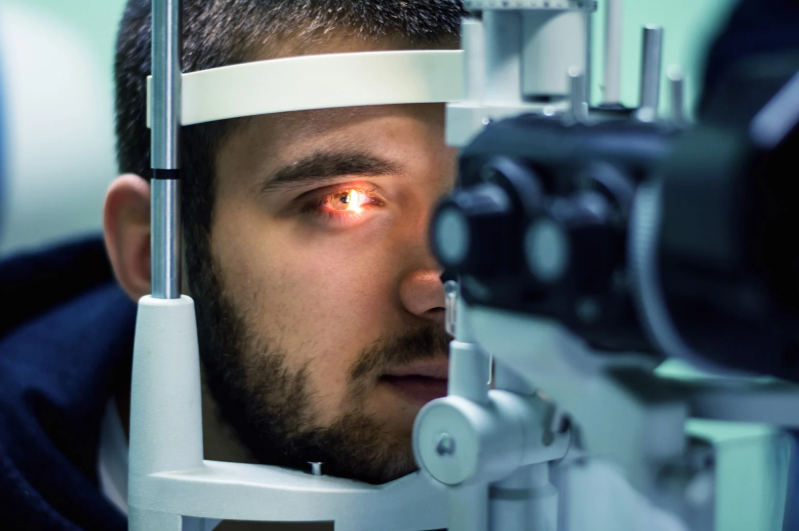
Dropless cataract surgery in Naga begins with careful pre-surgery testing. The eye doctor checks vision, eye pressure, cataract severity, corneal health, retina status, and other factors that may affect surgical safety. Measurements are also taken to choose the proper IOL power.
On surgery day, numbing drops are used to keep the eye comfortable. The surgeon makes a very small opening, removes the cloudy lens with microsurgical methods, and places the artificial lens. For dropless cataract surgery in Naga, medicine may also be placed during the procedure to help reduce the need for several drops after surgery.
The procedure is usually done on an outpatient basis. Many patients go home the same day after a short recovery period. A follow-up schedule is still needed so the doctor can check healing, eye pressure, and vision progress.
Benefits of Dropless Cataract Surgery in Naga
Dropless cataract surgery in Naga may offer several benefits for selected patients. The biggest advantage is a simpler post-surgery routine. Fewer drops can help reduce confusion, especially for patients who already take several medicines for other health concerns.
This approach may also help patients who have trouble applying drops because of hand tremors, arthritis, poor coordination, or difficulty seeing the bottle tip. Family caregivers may also find the recovery plan easier to support.
Dropless cataract surgery in Naga may also help reduce missed doses. When eye drops are not used correctly, recovery may be affected. By placing medicine during surgery, the doctor may provide more consistent early care for some patients.
Another benefit is peace of mind. Many patients feel more relaxed when they know they may not need to follow a complicated drop schedule. However, patients should remember that some drops may still be prescribed if healing, eye pressure, dryness, or swelling requires extra care.
Dropless Cataract Surgery Versus Standard Cataract Surgery
Standard cataract surgery and dropless cataract surgery in Naga share the same main goal: remove the cloudy lens and replace it with a clear artificial lens. The difference is mainly the way post-surgery medicine is managed.
Standard cataract surgery usually requires drops after the procedure. These may help prevent infection, control swelling, and support healing. Patients must follow the schedule carefully.
Dropless cataract surgery in Naga may reduce the number of drops needed after surgery. Medicine may be placed during the procedure, so the patient may have a simpler aftercare plan.
Neither option is automatically better for every patient. Some people may do very well with a dropless method. Others may be safer with standard drops or a mixed approach. The right choice depends on eye health, medical history, risk factors, and the ophthalmologist’s judgment.
Who May Be a Good Candidate?
Dropless cataract surgery in Naga may be suitable for patients with cataracts that affect daily activities and whose eye health supports this method. It may be helpful for elderly patients, patients who cannot apply drops well, or patients who want a more manageable recovery routine.
Good candidates may be patients who:
Have cataracts affecting daily tasks
Want fewer post-surgery drops if medically suitable
Can attend follow-up visits
Have no active eye infection
Have eye pressure and retina status that allow this approach
Understand that some drops may still be needed
Lee Tan Eye Center assesses each patient carefully before recommending dropless cataract surgery in Naga. The goal is to choose the plan that offers safer healing, clearer vision, and realistic expectations.
Who May Need a Different Cataract Surgery Plan?
Dropless cataract surgery in Naga may not suit everyone. Some patients need a different plan because of eye health concerns or medical factors. Patients with glaucoma may need close eye pressure monitoring. Patients with diabetic eye disease may need retina evaluation before surgery. Patients with past steroid response, macular problems, corneal disease, active inflammation, or allergies may need special planning.
A patient with complex cataracts may also need a more detailed surgical approach. Prior eye surgery can also change the plan. For these reasons, a complete eye exam is necessary before deciding.
Dr. Lee Tan’s glaucoma training is especially helpful for patients who may have cataracts along with eye pressure concerns. Lee Tan Eye Center evaluates cataract patients carefully so the surgical plan can match each eye’s condition.
Why Choose Lee Tan Eye Center for Cataract Care?
Lee Tan Eye Center serves patients from Naga City and nearby Bicol communities with careful, patient-focused ophthalmology care. Led by Dr. Lee Tan, the clinic provides cataract assessment, treatment planning, and surgical guidance based on the patient’s actual eye condition and daily visual needs.
Dr. Lee Tan is a board-certified ophthalmologist and experienced eye surgeon. His training background at the University of the Philippines–Philippine General Hospital, along with advanced fellowship training focused on glaucoma, supports careful evaluation of both simple and more complex eye concerns.
Patients considering dropless cataract surgery in Naga can expect clear discussion of their diagnosis, lens options, possible benefits, recovery steps, and risks. The clinic’s approach focuses on honest education, preventive care, and treatment planning that fits the patient’s vision goals.
What to Expect During Cataract Evaluation
Before dropless cataract surgery in Naga is recommended, a cataract evaluation is needed. This visit allows the ophthalmologist to confirm whether the cataract is causing the patient’s symptoms.
Testing may check:
Visual sharpness
Eye pressure
Cataract severity
Corneal health
Retina health
Lens measurements
Astigmatism
Other eye conditions that may affect results
The doctor may ask about driving, reading, work, hobbies, medical history, past eye surgery, current medicines, and vision goals. These details help guide the best treatment plan.
Patients should ask questions during this visit. A good cataract consultation should help patients understand what cataract surgery can and cannot do. It should also explain whether dropless cataract surgery in Naga is a safe option for their case.
Lens Options During Cataract Surgery
Dropless cataract surgery in Naga also requires proper lens planning. The artificial lens placed during cataract surgery affects how the patient may see after recovery.
A monofocal lens may help provide clear focus at one main distance. Some patients may still need glasses for reading or near tasks. A toric lens may be recommended for patients with astigmatism. Other lens options may be discussed depending on eye health, budget, and visual goals.
The best IOL depends on the patient’s eye measurements, lifestyle, and expectations. Lee Tan Eye Center explains lens choices clearly so patients can make a confident decision before surgery.
Recovery After Dropless Cataract Surgery in Naga
Recovery after dropless cataract surgery in Naga varies from patient to patient. Many people notice clearer vision during early healing, but the eye may continue to adjust over several weeks. Mild scratchiness, watering, glare, or light sensitivity can happen early after surgery.
Patients should avoid rubbing the eye. Heavy activity, swimming, dusty areas, and eye makeup may be restricted for a short period based on the doctor’s advice. Protective eyewear may be recommended.
Even with a dropless method, follow-up visits remain necessary. The doctor must check healing, eye pressure, vision, and any signs of swelling or infection. Patients should report severe pain, sudden vision loss, worsening redness, or unusual discharge right away.
Dropless cataract surgery in Naga may simplify aftercare, but it does not replace proper follow-up.
Questions to Ask Before Choosing Dropless Cataract Surgery
Patients considering dropless cataract surgery in Naga should feel free to ask their ophthalmologist clear questions. Good communication helps reduce fear and supports better preparation.
Helpful questions may be:
Am I a good candidate for this method?
Will I still need any drops after surgery?
What medicine will be placed during surgery?
Does glaucoma affect my plan?
Does diabetes affect my recovery?
What lens option suits my daily activities?
How soon should I return for follow-up?
What warning signs should I watch for?
What activities should I avoid after surgery?
These questions can help patients understand the procedure, recovery, and possible outcomes before making a decision.
Why Local Cataract Care Matters for Bicol Patients
Dropless cataract surgery in Naga may be especially valuable for patients across the Bicol Region who want care closer to home. Cataract care requires more than surgery alone. Patients need evaluation, planning, follow-up, and access to a doctor if concerns appear during recovery.
Choosing a clinic near Naga City can reduce travel burden, especially for older adults. Family members can also support visits more easily. Local care helps patients feel more comfortable from diagnosis to recovery.
Lee Tan Eye Center provides a local option for patients who want cataract care from an ophthalmologist familiar with the needs of Naga and Bicol communities.
Clearer Vision Starts With Proper Eye Assessment
Dropless cataract surgery in Naga may help selected patients achieve clearer vision with a simpler recovery plan. Still, the best choice starts with a full eye exam. Cataracts, glaucoma, diabetic eye disease, dry eye, retina concerns, and other issues must be checked before any surgical plan is made.
Lee Tan Eye Center helps patients understand their diagnosis, compare cataract surgery options, choose a proper lens plan, and prepare for recovery. With careful guidance from Dr. Lee Tan, patients can make a more confident decision about dropless cataract surgery in Naga or another cataract treatment path that suits their needs.
Cloudy vision should not stop patients from enjoying daily life. A cataract evaluation can help reveal the cause of vision changes and guide the next step toward clearer sight.
FAQ About Dropless Cataract Surgery in Naga
What is dropless cataract surgery?
Dropless cataract surgery is a cataract procedure where medicine may be placed during surgery to reduce the need for multiple post-surgery eye drops. The cloudy natural lens is removed and replaced with a clear artificial lens.
Does dropless cataract surgery mean no eye drops at all?
Not always. Dropless cataract surgery in Naga may reduce the need for several drops, but some patients may still need drops based on healing, eye pressure, dryness, or other eye concerns.
Who can benefit from dropless cataract surgery in Naga?
Selected patients who have trouble applying drops, elderly patients, patients with caregiver support concerns, or patients who want a simpler recovery routine may benefit if their eye health allows this method.
Is dropless cataract surgery safe?
Dropless cataract surgery in Naga may be safe for properly selected patients. A complete eye exam is needed to check cataract severity, eye pressure, retina health, allergies, and other risk factors before this method is recommended.
Can patients with glaucoma have dropless cataract surgery?
Some glaucoma patients may need closer monitoring or a different plan. Dr. Lee Tan’s glaucoma training helps support careful assessment for patients with cataracts and eye pressure concerns.
How long does cataract surgery take?
Cataract surgery commonly takes a short time, often around 15 to 30 minutes for the procedure itself. Preparation and recovery area time may take longer.
How soon can vision get better after cataract surgery?
Many patients notice clearer vision during early recovery, but healing varies. Vision may continue to settle over several weeks. Follow-up visits help confirm proper healing.
Will I still need glasses after cataract surgery?
Some patients still need glasses after surgery, especially for reading or near tasks. Lens choice, astigmatism, eye health, and vision goals affect this outcome.
Why choose Lee Tan Eye Center for dropless cataract surgery in Naga?
Lee Tan Eye Center provides cataract evaluation and surgical planning led by Dr. Lee Tan, a board-certified ophthalmologist and experienced eye surgeon with advanced glaucoma fellowship training. The clinic helps patients choose a cataract treatment plan based on eye health, safety, and visual needs.
When should I book a cataract evaluation?
A cataract evaluation is recommended if cloudy vision, glare, faded colors, poor night vision, or reading difficulty affects daily life. Early assessment helps determine whether dropless cataract surgery in Naga or another cataract treatment option may be right for you.