










Knee pain can make simple daily activities difficult and uncomfortable. Walking, climbing stairs, standing for long periods, and exercising may become challenging when stiffness and joint discomfort continue to worsen. Many people living with osteoarthritis search for treatment options that can help reduce pain without surgery. Hyaluronic acid injection has become a trusted option for patients seeking better mobility, improved comfort, and long-term knee support.
At Tec Orthopedics, patients receive professional orthopedic care and advanced treatment solutions designed to address chronic knee pain and joint problems. Hyaluronic acid injection is one of the non-surgical treatments offered to help patients regain movement and improve their quality of life.
Understanding Hyaluronic Acid Injection
Hyaluronic acid injection is a non-surgical treatment commonly recommended for patients suffering from knee osteoarthritis and chronic joint discomfort. This treatment is also known as viscosupplementation. The procedure involves injecting hyaluronic acid directly into the knee joint to improve lubrication and cushioning.
Hyaluronic acid naturally exists inside healthy joints. It helps joints move smoothly while reducing friction between bones. As osteoarthritis develops, the amount and quality of this fluid decrease. This can lead to stiffness, inflammation, swelling, and persistent pain.
Hyaluronic acid injection works by restoring the lubrication inside the joint. Patients often experience better flexibility, improved movement, and reduced discomfort after treatment. Many orthopedic specialists recommend hyaluronic acid injection for individuals seeking alternatives to surgery or those who have not achieved enough relief through medications and therapy alone.
Common Causes of Knee Pain and Joint Stiffness
Several conditions can lead to chronic knee pain and reduced movement. Osteoarthritis remains one of the most common causes. This condition gradually wears down the cartilage inside the knee joint, causing the bones to rub against each other during movement.
Aging also contributes to joint degeneration. As people grow older, the natural cushioning inside the joints decreases, making movement less smooth and more painful. Previous knee injuries can also increase the risk of long-term joint problems. Sports injuries, ligament damage, fractures, and cartilage tears may eventually result in arthritis and chronic discomfort.
Excess body weight places additional stress on the knees. Carrying extra weight can speed up cartilage breakdown and worsen inflammation. Repetitive activities such as kneeling, lifting, and standing for long hours may also contribute to knee strain over time.
Hyaluronic acid injection may help patients experiencing these issues by improving lubrication and reducing joint friction. Many patients notice better movement and increased comfort after receiving treatment.
How Hyaluronic Acid Injection Works
Healthy joints rely on synovial fluid to cushion and lubricate the bones. This fluid allows the knee to move smoothly during walking, bending, and physical activity. Osteoarthritis changes the quality of this fluid, causing it to become thinner and less effective.
Hyaluronic acid injection restores this lubrication by introducing a gel-like substance directly into the joint. The injection acts as a cushion that helps reduce friction and absorb shock during movement. This may help decrease inflammation and improve overall knee function.
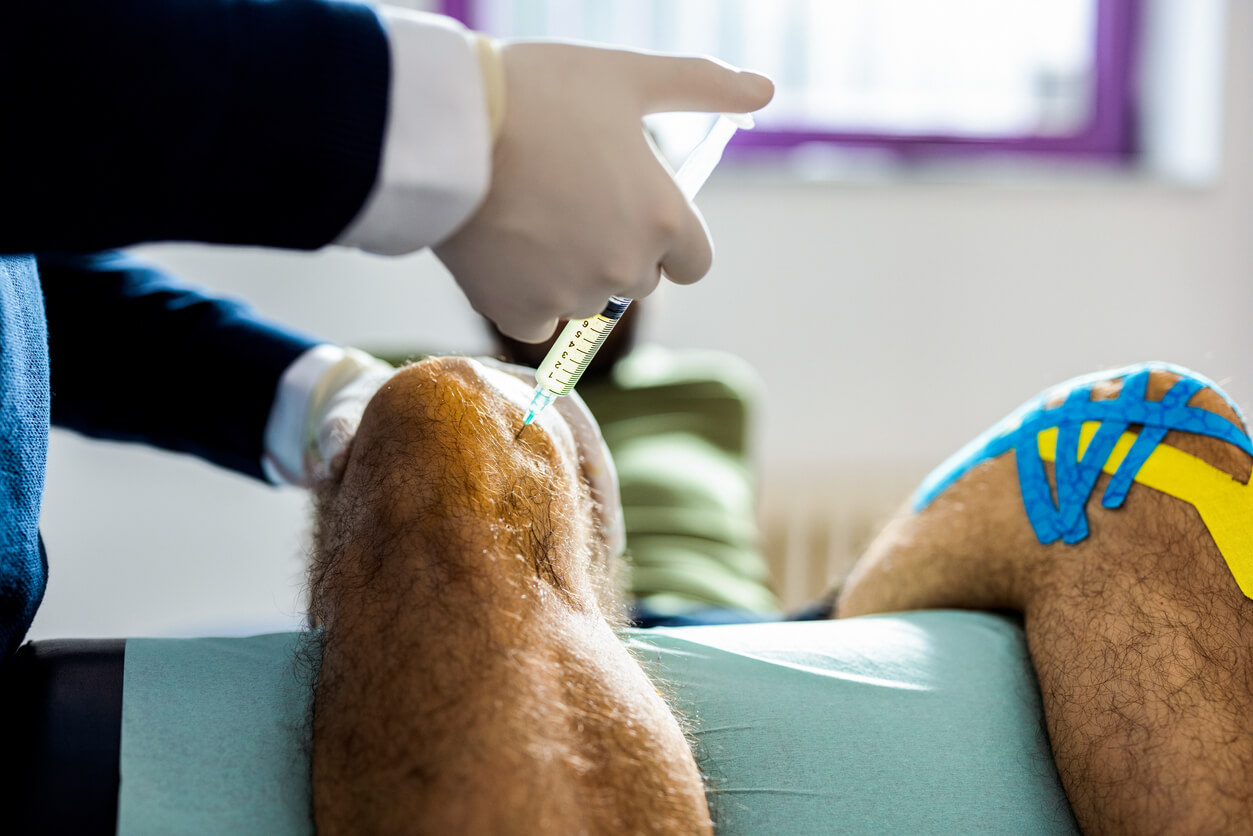
The procedure is usually performed during an outpatient visit. The orthopedic specialist carefully injects the hyaluronic acid into the knee joint using precise techniques. Depending on the patient’s condition, treatment may involve one injection or a series of injections.
Many patients report gradual improvement several weeks after hyaluronic acid injection. Relief may continue for several months depending on the severity of arthritis and the patient’s lifestyle habits.
Signs You May Need Hyaluronic Acid Injection
Persistent knee discomfort can affect mobility and overall quality of life. Patients who experience continuous pain despite rest and medications may benefit from hyaluronic acid injection.
Common signs include stiffness after sitting or waking up, pain during walking, difficulty climbing stairs, swelling around the knee joint, and reduced flexibility. Some individuals may hear clicking or grinding sounds while moving their knees.
Patients who have tried oral medications, physical therapy, or lifestyle changes without enough improvement may also consider hyaluronic acid injection. Early treatment may help prevent worsening symptoms and support better joint movement.
Consulting an orthopedic specialist at Tec Orthopedics can help determine whether hyaluronic acid injection is suitable based on the patient’s condition and medical history.
Benefits of Hyaluronic Acid Injection for Knee Osteoarthritis
Many patients choose hyaluronic acid injection because it provides several advantages for managing osteoarthritis symptoms.
One major benefit is that hyaluronic acid injection is non-surgical. Patients can receive treatment without hospital confinement or major recovery periods associated with surgery. This makes the procedure appealing for individuals seeking conservative treatment options.
Pain reduction is another important advantage. Hyaluronic acid injection may help reduce discomfort during daily activities such as walking, standing, and exercising. Improved lubrication inside the joint also supports smoother movement and reduced stiffness.
Recovery after hyaluronic acid injection is usually fast. Most patients can return to normal activities shortly after treatment with minimal downtime. The procedure itself is quick and minimally invasive.
For some individuals, hyaluronic acid injection may also delay the need for knee replacement surgery. Managing symptoms early can help maintain mobility and preserve joint function for a longer period.
What to Expect During Hyaluronic Acid Injection Treatment
Patients receiving hyaluronic acid injection at Tec Orthopedics can expect a careful and professional treatment process.
The procedure begins with a consultation and physical examination. The orthopedic specialist may review symptoms, evaluate knee movement, and request imaging tests such as X-rays or MRI scans to assess the severity of arthritis.
Before the injection, the treatment area is cleaned carefully to reduce infection risk. Some patients may receive a local anesthetic to improve comfort during the procedure. The hyaluronic acid injection is then administered directly into the knee joint.
After treatment, patients are often advised to avoid strenuous activities for a short period. Mild soreness or swelling may occur temporarily but usually improves within a few days.
Results vary from patient to patient. Some individuals notice relief after several days, while others experience gradual improvement over several weeks.
Who Is a Good Candidate for Hyaluronic Acid Injection?
Hyaluronic acid injection is commonly recommended for patients with mild to moderate knee osteoarthritis. Individuals experiencing chronic knee pain and stiffness may benefit from this treatment, especially if conservative methods have not provided enough relief.
Patients who want to delay surgery often choose hyaluronic acid injection as part of their treatment plan. Active adults hoping to maintain mobility and independence may also find the procedure helpful.
Not every patient is an ideal candidate. Severe joint damage or advanced arthritis may require different orthopedic treatments. A professional consultation remains important to determine whether hyaluronic acid injection is appropriate for each patient’s condition.
At Tec Orthopedics, every treatment plan is personalized according to the patient’s symptoms, goals, and orthopedic needs.
Recovery and Aftercare Tips Following Hyaluronic Acid Injection
Proper aftercare can help patients achieve better results after hyaluronic acid injection. Patients are usually advised to rest the treated knee for the first couple of days after the procedure.
Heavy lifting, running, and high-impact exercises should be avoided temporarily. Gentle stretching and low-impact activities such as walking or swimming may help maintain joint flexibility without placing too much stress on the knee.
Weight management also plays an important role in joint health. Excess body weight can increase pressure on the knees and worsen arthritis symptoms. Maintaining a healthy lifestyle may improve the long-term effects of hyaluronic acid injection.
Patients should also attend follow-up appointments to monitor progress and discuss any concerns with their orthopedic specialist.
Why Patients Choose Tec Orthopedics for Hyaluronic Acid Injection
Patients across Quezon City and Metro Manila trust Tec Orthopedics for orthopedic care and advanced joint treatment solutions.
Dr. Tec and the orthopedic team possess extensive experience treating knee pain, osteoarthritis, and mobility issues. The clinic focuses on patient comfort, safety, and personalized care throughout every stage of treatment.
Advanced orthopedic techniques and modern treatment options help patients receive reliable care tailored to their condition. The team carefully evaluates every patient to recommend the most suitable treatment plan.
Patients also appreciate the supportive and compassionate environment provided by the clinic staff. Clear communication and patient education remain important parts of every consultation and treatment session.
Lifestyle Changes That Can Help Protect Your Knee Joints
Healthy habits can support the results of hyaluronic acid injection and help protect the knees from further damage.
Regular low-impact exercise helps strengthen the muscles surrounding the knee joint. Stronger muscles provide better support and stability during movement. Stretching exercises may also improve flexibility and reduce stiffness.
Eating balanced meals that support bone and joint health may help manage arthritis symptoms. Drinking enough water and maintaining proper nutrition contribute to overall wellness.
Patients should avoid excessive strain on the knees whenever possible. Proper posture, supportive footwear, and safe lifting techniques may help reduce unnecessary joint stress.
Seeking orthopedic treatment early is also important. Early diagnosis and management can help prevent worsening symptoms and support long-term mobility.
Take the First Step Toward Better Mobility
Living with chronic knee pain can affect work, physical activity, and everyday comfort. Hyaluronic acid injection offers a non-surgical treatment option that may help reduce pain, improve movement, and support a more active lifestyle.
Patients experiencing osteoarthritis and knee stiffness should consider consulting an experienced orthopedic specialist for proper evaluation and treatment recommendations. Early treatment may help improve comfort and preserve joint health.
At Tec Orthopedics, patients receive personalized orthopedic care designed to address knee pain and mobility concerns. Hyaluronic acid injection may help patients regain confidence and enjoy daily activities with less discomfort.
Frequently Asked Questions About Hyaluronic Acid Injection
How long does hyaluronic acid injection last?
The effects of hyaluronic acid injection vary depending on the patient and the severity of arthritis. Many patients experience relief lasting several months.
Is hyaluronic acid injection painful?
Most patients tolerate hyaluronic acid injection well. Mild discomfort during the procedure may occur, but the treatment is generally quick and manageable.
How many injections are usually needed?
Some patients only need one hyaluronic acid injection, while others may require a series of injections depending on their condition and treatment plan.
Can hyaluronic acid injection prevent surgery?
Hyaluronic acid injection cannot permanently stop arthritis progression, but it may help delay the need for knee replacement surgery by reducing pain and improving mobility.
Who should avoid hyaluronic acid injection?
Patients with certain infections, allergies, or severe joint damage may require alternative treatment options. An orthopedic consultation is necessary to determine suitability.
How soon can I return to daily activities?
Many patients can return to light daily activities shortly after hyaluronic acid injection. Strenuous exercise should be avoided temporarily based on the orthopedic specialist’s advice.
Why choose Tec Orthopedics for treatment?
Tec Orthopedics provides experienced orthopedic care, advanced treatment methods, and patient-focused services designed to improve mobility and joint comfort.