







Pressure sores, also called bedsores or pressure ulcers, are a common concern for individuals with limited mobility. Proper pressure sore treatment is essential not only to prevent serious complications but also to ensure the comfort and dignity of those under care. Caregivers play a crucial role in monitoring, preventing, and managing pressure sores, and professional support from specialized clinics like Kalingap Wound Care Clinic can make a significant difference in recovery and long-term care.
Understanding Pressure Sores
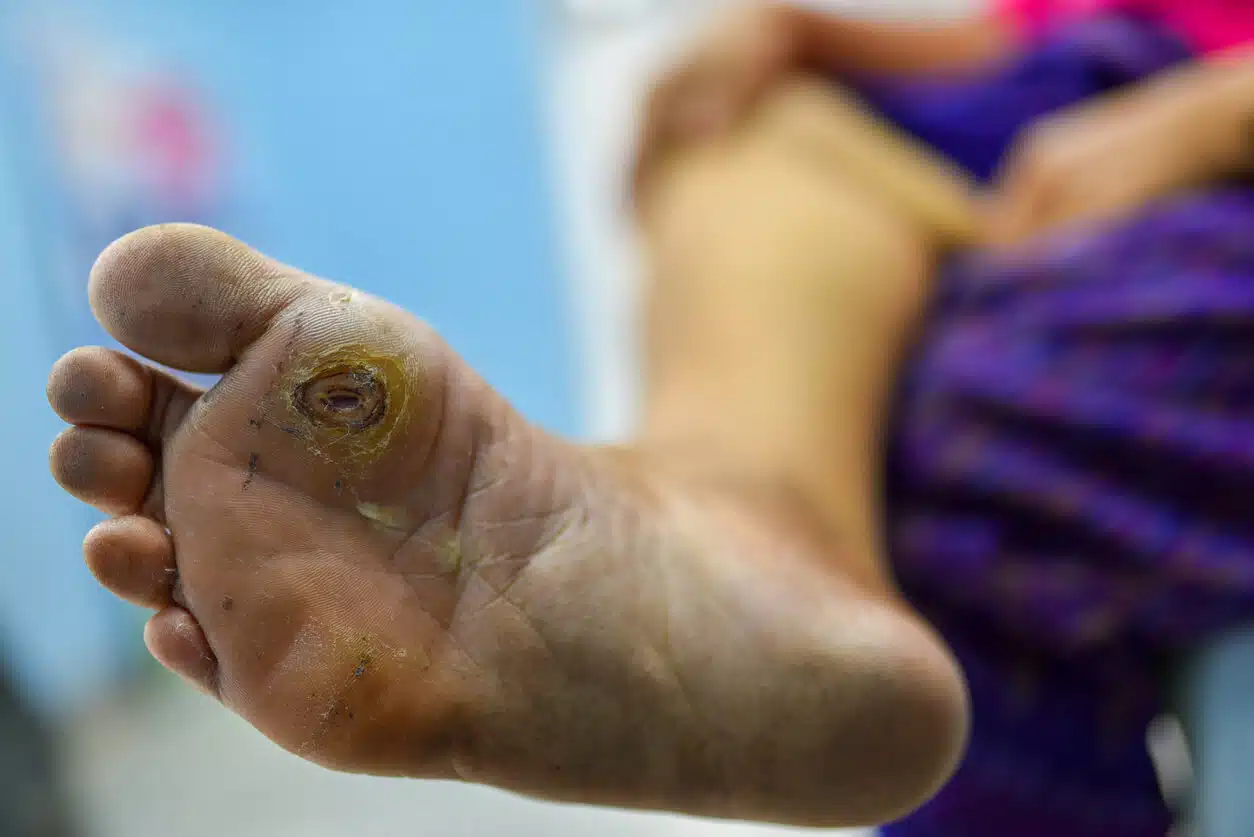
Pressure sores occur when prolonged pressure on the skin and underlying tissues reduces blood flow, leading to tissue damage. They are most common on bony areas such as heels, elbows, hips, and the lower back. Risk factors include immobility, advanced age, poor nutrition, incontinence, and certain chronic medical conditions. Pressure sores develop in stages ranging from mild redness (Stage 1) to deep wounds that expose muscle or bone (Stage 4). Early recognition and timely pressure sore treatment are vital to prevent infections and complications.
Prevention Strategies for Caregivers
Preventing pressure sores requires vigilance and proactive care. Routine skin inspections allow caregivers to detect redness, swelling, or other early signs of pressure damage. Repositioning individuals every two hours reduces prolonged pressure on vulnerable areas. Supportive surfaces, such as pressure-relieving mattresses or cushions, can also help distribute weight evenly and minimize risk. Maintaining clean, dry skin and using moisture barriers for incontinent patients are crucial. Proper nutrition, including adequate protein and hydration, supports skin integrity. Consistent preventive measures are an essential part of pressure sore treatment and overall care.
Pressure Sore Treatment Steps
Effective pressure sore treatment begins with assessment. Caregivers should evaluate the wound size, depth, and any signs of infection, and seek professional guidance if needed. Cleaning the wound with gentle saline solutions and applying appropriate dressings helps promote healing and protect against bacteria. Pain management may involve topical agents or prescribed medication, ensuring comfort while facilitating care. Techniques for relieving pressure include specialized cushions, pads, or positioning aids, and frequent repositioning remains critical. Monitoring healing progress and adjusting care plans accordingly ensures successful pressure sore treatment. When wounds show slow improvement, professional intervention from facilities like Kalingap Wound Care Clinic can provide advanced treatment options and expert guidance.
Home Care Tips for Caregivers
Home care is an integral part of pressure sore treatment. Keeping a daily care log helps track wound progress, dressing changes, and any notable skin changes. Protective padding, soft cushions, and proper positioning techniques reduce pressure on affected areas. Encouraging gentle movements or mobility exercises, when possible, enhances circulation and supports healing. Caregivers should educate family members about proper techniques to ensure consistency and prevent new sores. Consistent home care, combined with professional consultation, forms a strong foundation for effective pressure sore treatment.
When to Seek Medical Assistance
Not all pressure sores can be managed at home. Signs that require professional attention include persistent redness, pus, foul odor, increased pain, or wounds that fail to heal. Healthcare professionals, including wound care specialists and dermatologists, provide advanced treatments and monitor for complications. Kalingap Wound Care Clinic offers specialized pressure sore treatment services, combining expert assessment, modern wound management techniques, and personalized care plans to optimize healing and prevent recurrence.
Tools and Products for Effective Care
Certain tools and products can enhance pressure sore treatment at home. High-quality wound dressings, topical ointments, and protective padding improve healing outcomes. Pressure-relieving mattresses, foam cushions, and positioning aids minimize the risk of further tissue damage. Maintaining skin hygiene with gentle cleansers and moisturizers supports skin integrity and helps prevent new sores. Consulting with professionals at Kalingap Wound Care Clinic ensures caregivers use the right combination of products for safe and effective pressure sore treatment.
Takeaway
Pressure sore treatment is a continuous process requiring careful attention, preventive measures, and timely intervention. Caregivers play a critical role in monitoring at-risk individuals, implementing home care strategies, and seeking professional guidance when needed. Partnering with specialized facilities like Kalingap Wound Care Clinic ensures expert support, advanced wound care, and improved outcomes for patients. Consistency, vigilance, and professional assistance together form the foundation for successful pressure sore treatment.
FAQ Section
What is the fastest way to heal a pressure sore?
Fast healing depends on early detection, relieving pressure, proper wound care, and maintaining skin health. Professional guidance from Kalingap Wound Care Clinic can accelerate recovery.
How often should patients be repositioned to prevent pressure sores?
Patients at risk should ideally be repositioned every two hours to reduce prolonged pressure and support effective pressure sore treatment.
Can pressure sores be treated at home safely?
Mild pressure sores can be managed at home with proper cleaning, dressings, repositioning, and monitoring. Severe or infected wounds require professional intervention.
When should a caregiver consult a wound care clinic?
Caregivers should seek professional help if sores do not improve, show signs of infection, or involve deeper tissue damage. Clinics like Kalingap Wound Care Clinic provide expert pressure sore treatment.
Which products are best for preventing and treating pressure sores?
Supportive mattresses, foam cushions, protective dressings, and skin moisturizers are essential. Guidance from a wound care clinic ensures the appropriate products are used.