









Dry Eyes is a widespread condition that can affect anyone, from children to older adults. Experiencing persistent dryness, irritation, or blurred vision can impact daily life, work, and overall comfort. Understanding the causes, symptoms, and treatments for Dry Eyes is essential for effective management. For patients seeking professional guidance, Peregrine Eye and Laser Institute offers expert care and comprehensive treatment solutions tailored to individual needs.
What Are Dry Eyes?
Dry Eyes occur when your eyes do not produce enough tears or when the tears evaporate too quickly. This imbalance leads to discomfort, redness, and sometimes even blurry vision. While occasional dryness is common, chronic Dry Eyes can interfere with daily activities and reduce overall eye health. Recognizing the early signs and seeking treatment can prevent complications and improve quality of life.
What Causes Dry Eyes?
Several factors contribute to Dry Eyes. Aging naturally reduces tear production, while hormonal changes, such as menopause, can significantly affect eye moisture. Environmental conditions like wind, air conditioning, and prolonged screen use increase tear evaporation. Certain medical conditions, including autoimmune diseases, and medications like antihistamines or antidepressants, also contribute to Dry Eyes. Identifying the cause of Dry Eyes is crucial for effective treatment, and Peregrine Eye and Laser Institute specializes in diagnosing and addressing these underlying factors.
What Are the Symptoms of Dry Eyes?
Patients with Dry Eyes often experience a combination of symptoms. Common signs include burning, stinging, and itching, as well as redness and a gritty sensation. Some patients notice excessive tearing, a reflex response to dryness. Blurred vision, eye fatigue, and sensitivity to light are also frequently reported. Recognizing these symptoms early can help patients receive timely treatment from specialists at Peregrine Eye and Laser Institute.
How Are Dry Eyes Diagnosed?
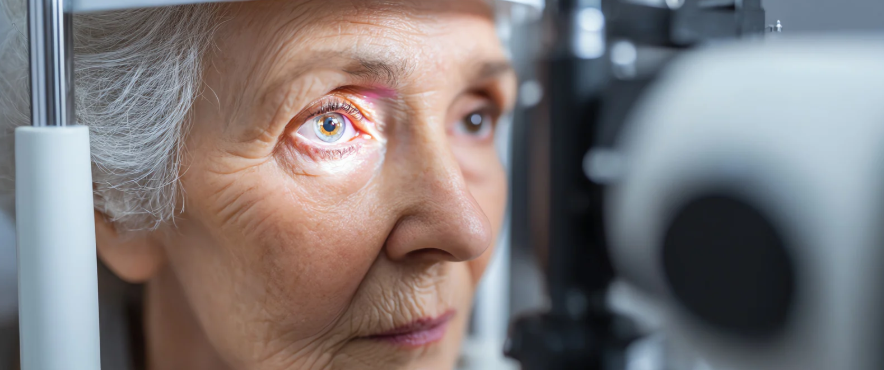
Diagnosing Dry Eyes requires a thorough eye examination. Eye care specialists assess tear production, tear film stability, and overall eye health. Advanced tests may include evaluating the quality and quantity of tears, as well as imaging of the ocular surface. Accurate diagnosis ensures that patients receive personalized treatment plans. Peregrine Eye and Laser Institute uses state-of-the-art diagnostic tools to provide precise assessments and effective management for Dry Eyes.
What Treatments Are Available for Dry Eyes?
Treatment for Dry Eyes depends on severity and underlying causes. Mild cases can benefit from artificial tears or lubricating drops, while prescription medications can target inflammation and improve tear production. Lifestyle adjustments, such as limiting screen time, using humidifiers, and avoiding smoke, are also essential. For persistent Dry Eyes, in-office procedures like punctal plugs or advanced therapies may be recommended. Peregrine Eye and Laser Institute offers a full range of treatments to help patients find relief and restore comfort.
How to Manage Dry Eyes at Home
Managing Dry Eyes at home can complement professional care. Regular use of preservative-free artificial tears, applying warm compresses, and practicing the 20-20-20 rule during screen use can reduce discomfort. Humidifying indoor spaces and wearing protective eyewear outdoors can minimize exposure to environmental triggers. Incorporating these habits alongside professional treatment from Peregrine Eye and Laser Institute enhances results and prevents worsening of Dry Eyes.
When to See a Specialist
Patients should consult an eye specialist when symptoms persist, worsen, or interfere with daily life. Signs that warrant professional evaluation include chronic burning, frequent irritation, blurred vision, or sensitivity to light. Early intervention ensures better management and prevents complications. Peregrine Eye and Laser Institute provides expert consultation, diagnosis, and treatment options for patients suffering from Dry Eyes, ensuring a path to lasting relief.
Common Misconceptions About Dry Eyes
Many misconceptions surround Dry Eyes. Some believe that only older adults experience this condition, but it can affect people of all ages. Another myth is that reflex tearing fully solves the problem, while in reality, it often indicates underlying dryness. Educating patients on the true nature of Dry Eyes helps them seek proper care. Peregrine Eye and Laser Institute focuses on debunking myths and providing evidence-based treatment solutions.
Takeaway
Understanding Dry Eyes empowers patients to seek effective care and maintain eye health. Persistent dryness, irritation, or visual disturbances should never be ignored. Professional assessment and treatment from Peregrine Eye and Laser Institute ensure personalized care, effective therapies, and lasting relief for patients suffering from Dry Eyes. Early intervention, combined with proper home care, can restore comfort and protect vision, making expert guidance an essential step toward managing Dry Eyes effectively.
FAQs About Dry Eyes
Q: Can Dry Eyes cause permanent damage?
A: Untreated Dry Eyes may lead to complications such as corneal ulcers or infections. Early evaluation by Peregrine Eye and Laser Institute reduces this risk.
Q: Are there foods or vitamins that help with Dry Eyes?
A: Omega-3 fatty acids, vitamin A, and staying hydrated can support tear production, but professional guidance is crucial for best results.
Q: How long does Dry Eyes treatment take to work?
A: Improvement varies by severity and treatment type. Many patients notice relief within weeks, while chronic cases may require ongoing management.
Q: Can screen time worsen Dry Eyes?
A: Yes, prolonged use of computers, phones, or tablets can increase tear evaporation, intensifying Dry Eyes symptoms.
Q: Are prescription treatments safe for Dry Eyes?
A: When prescribed by specialists at Peregrine Eye and Laser Institute, medications are safe and tailored to individual conditions.
Q: Do Dry Eyes affect vision?
A: Yes, fluctuating vision, blurred sight, and discomfort are common symptoms of untreated Dry Eyes.
Q: Can Dry Eyes be completely cured?
A: While some causes are chronic, proper treatment and lifestyle changes can significantly improve comfort and prevent complications.