








Nearsightedness, or myopia, affects millions of people worldwide, making daily activities like driving, reading, or using a computer challenging. Glasses and contact lenses offer temporary relief, but many individuals want a long-term solution to improve vision without relying on corrective lenses. Phakic IOL provides a permanent option for correcting nearsightedness safely and effectively. Unlike traditional laser eye surgeries, Phakic IOL does not remove the natural lens of the eye, offering an alternative for patients who are not ideal candidates for LASIK or PRK.
Phakic IOL is an advanced intraocular lens designed to correct refractive errors by improving the eye’s ability to focus light properly. This procedure has gained recognition among ophthalmologists as a reliable solution for patients with moderate to high myopia. With modern surgical techniques and advanced materials, Phakic IOL delivers excellent visual outcomes while maintaining the eye’s natural structure.
What is Phakic IOL?
Phakic IOL is a type of intraocular lens implanted in the eye to correct myopia without removing the natural lens. The term “phakic” refers to the presence of the eye’s natural lens, which distinguishes it from pseudophakic lenses that replace the lens after cataract surgery.
The lens is usually made of biocompatible materials such as silicone or plastic. During the procedure, the surgeon creates a small incision at the front of the eye and carefully inserts the lens either in front of or behind the iris, depending on the specific type of Phakic IOL used. This positioning allows the lens to correct refractive errors while preserving the eye’s natural focusing ability.
Phakic IOL works by bending and focusing light onto the retina, which improves clarity and reduces or eliminates the need for glasses or contact lenses. The lens is adjustable to suit each patient’s prescription, providing precise correction for nearsightedness.
Benefits of Phakic IOL
Phakic IOL offers several advantages that make it an attractive option for patients seeking long-term vision correction. One of the primary benefits is its ability to provide permanent improvement in vision. Unlike contact lenses or glasses, which only temporarily correct refractive errors, Phakic IOL is designed to remain in the eye indefinitely, offering lasting results.
The procedure is minimally invasive, requiring only a small incision that typically heals quickly. Recovery times are often faster than other surgical options, allowing patients to return to their daily routines within days. Another key advantage of Phakic IOL is that it preserves the natural lens of the eye, making it suitable for patients with high myopia or thin corneas who may not be candidates for laser surgeries like LASIK or PRK.
Patients can also experience improved night vision and better contrast sensitivity after Phakic IOL implantation. The procedure can correct a wide range of prescriptions, including high levels of myopia, providing patients with clearer vision at multiple distances. Overall, Phakic IOL is a safe and effective method for achieving freedom from corrective lenses while maintaining the eye’s natural structure.
How the Procedure Works
Phakic IOL surgery begins with a thorough consultation and comprehensive eye examination. The ophthalmologist evaluates the patient’s eye health, measures the degree of myopia, and determines whether the patient is a suitable candidate for the procedure. Once approved, the surgical plan is tailored to the patient’s unique needs.
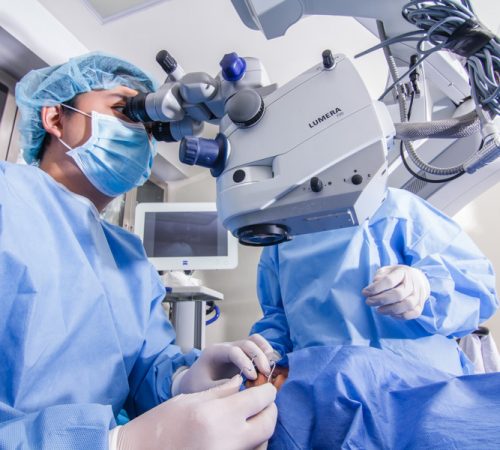
During the procedure, the surgeon creates a small incision in the cornea to insert the Phakic IOL. The lens is carefully placed either in front of or behind the iris, depending on the type selected. Anterior chamber lenses are positioned in front of the iris, while posterior chamber lenses sit behind the iris and in front of the natural lens.
The Phakic IOL is designed to integrate seamlessly with the eye’s anatomy, providing precise vision correction while maintaining comfort and safety. The surgery typically takes less than an hour, and most patients experience minimal discomfort during the procedure. Following implantation, patients are given post-operative instructions to ensure proper healing and reduce the risk of complications.
Follow-up visits allow the ophthalmologist to monitor the eye and verify that the Phakic IOL is functioning optimally. Many patients notice improved vision immediately, with continued enhancements over the following weeks as the eye adjusts to the new lens.
Who is a Good Candidate?
Phakic IOL is ideal for patients with moderate to high myopia who wish to reduce or eliminate dependence on glasses or contact lenses. It is particularly suitable for individuals who are not eligible for laser vision correction due to thin corneas, irregular corneal shapes, or high prescriptions.
Candidates should have stable vision for at least one year before undergoing Phakic IOL surgery. Patients with certain eye conditions, such as glaucoma, cataracts, or severe retinal disease, may require additional evaluation before determining eligibility. Ophthalmologists also consider age, overall eye health, and lifestyle factors when recommending Phakic IOL.
Adults seeking a long-term solution for myopia, who want precise correction and rapid recovery, often benefit most from this procedure. Phakic IOL provides a safe and effective alternative for individuals seeking freedom from glasses while maintaining their natural lens.
Risks and Considerations
Like all surgical procedures, Phakic IOL carries potential risks. Although rare, complications can include infection, inflammation, lens displacement, or increased eye pressure. Long-term monitoring is recommended to ensure continued eye health and optimal lens performance.
Patients may experience temporary discomfort, light sensitivity, or blurred vision immediately after surgery. These symptoms typically resolve within a few days to weeks. Regular follow-up visits are essential to monitor intraocular pressure, lens positioning, and overall eye health.
Phakic IOL is designed to be safe and durable, but patients should discuss potential risks and benefits with their ophthalmologist to make an informed decision. With proper care and monitoring, Phakic IOL provides a reliable and long-lasting solution for nearsightedness.
Why Choose Peregrine Eye and Laser Institute
Peregrine Eye and Laser Institute (PELI) is recognized as a leading eye care facility in Metro Manila, offering advanced treatments including Phakic IOL. Established by Mr. Jimmy Tan, Dr. Harvey Uy, and Dr. Pik Sha Chan Uy, PELI is committed to providing high-quality care using state-of-the-art technology.
The institute’s team includes ophthalmologists trained at internationally renowned institutions such as Harvard Medical School, Johns Hopkins University, UCLA, California Pacific Medical Center, University of Wisconsin, and Singapore National Eye Center. With decades of clinical and surgical experience, these specialists deliver exceptional results while prioritizing patient safety and comfort.
PELI’s facilities are equipped with modern ophthalmic equipment and advanced operating theaters, allowing the team to handle both routine and complex cases. The clinic is designed to ensure patient comfort, efficient service, and personalized care. Staff members receive ongoing training to maintain high standards of professionalism, technical skill, and patient interaction.
Choosing PELI for Phakic IOL means accessing world-class medical expertise combined with compassionate care. Patients benefit from individualized treatment plans, detailed consultations, and a supportive environment that prioritizes vision improvement and overall well-being.
Takeaway
Phakic IOL offers a safe, effective, and permanent solution for nearsightedness. By preserving the eye’s natural lens, the procedure provides precise vision correction while maintaining the structure and health of the eye. With experienced ophthalmologists, advanced technology, and comprehensive patient care, Peregrine Eye and Laser Institute is a trusted provider for Phakic IOL in Metro Manila.
Scheduling a consultation at PELI allows patients to explore Phakic IOL as a long-term solution for myopia and receive a tailored treatment plan designed to meet their unique needs. Freedom from glasses and improved vision is achievable with the right care and expertise.
Frequently Asked Questions (FAQ)
How long does Phakic IOL last?
Phakic IOL is designed to remain in the eye permanently. With proper care and regular eye check-ups, it provides long-lasting vision correction.
Can I still need glasses after Phakic IOL?
Most patients achieve significant reduction in dependence on glasses, but some may need corrective lenses for very specific tasks such as reading fine print or night driving.
Is Phakic IOL better than LASIK?
Phakic IOL is an alternative for patients who cannot undergo LASIK due to thin corneas or high myopia. Both procedures are safe and effective when recommended for the right candidates.
Is the procedure painful?
Phakic IOL surgery is performed under local anesthesia, and most patients report only mild discomfort during recovery. Vision usually improves within days.
Who is not a suitable candidate for Phakic IOL?
Patients with active eye disease, severe cataracts, or uncontrolled glaucoma may not be eligible. A thorough consultation is required to determine candidacy.