









Exploring the Importance of Vitreo Retina Management
Vitreo Retina Management focuses on the diagnosis, monitoring, and treatment of conditions that affect the vitreous and retina, both of which are essential for clear and functional vision. These structures play a central role in how light is transmitted and processed inside the eye. When either the vitreous or retina is compromised, vision can deteriorate quickly or gradually depending on the condition. Vitreo Retina Management is designed to address these issues with precision and long term care planning. Many retinal disorders do not cause pain, which often delays diagnosis until vision changes become noticeable. This makes specialized management crucial for early detection and intervention. Through proper Vitreo Retina Management, patients gain access to advanced evaluations and tailored treatment strategies that aim to protect eyesight and visual quality.
The Vitreous and Retina How They Support Vision
The vitreous is a gel like substance that fills the eye and helps maintain its round shape while allowing light to pass through unobstructed. The retina lines the back of the eye and contains cells that convert light into electrical signals sent to the brain. Any disruption in the vitreous can place stress on the retina, increasing the risk of tears or detachment. The retina itself is highly sensitive and relies on a steady blood supply and structural stability to function properly. Age related changes, eye trauma, and systemic health conditions can weaken these components. Vitreo Retina Management considers how these elements interact rather than treating them in isolation. A clear understanding of this relationship allows specialists to address problems before they lead to permanent visual impairment.
Eye Conditions Managed Through Vitreo Retina Care
Vitreo Retina Management addresses a broad range of eye disorders that affect vision at different levels. Retinal detachment is one of the most serious conditions and requires immediate attention to prevent vision loss. Diabetic retinopathy occurs when damaged blood vessels affect the retina, often leading to swelling or bleeding. Macular disorders impact central vision and can interfere with daily activities such as reading and driving. Vitreous floaters and hemorrhage may cause cloudy or shadowed vision that disrupts visual clarity. Inflammatory and infectious conditions can also affect the vitreoretinal interface. Effective Vitreo Retina Management focuses on identifying the specific condition and determining the most appropriate course of action.
Diagnostic Methods in Vitreo Retina Management
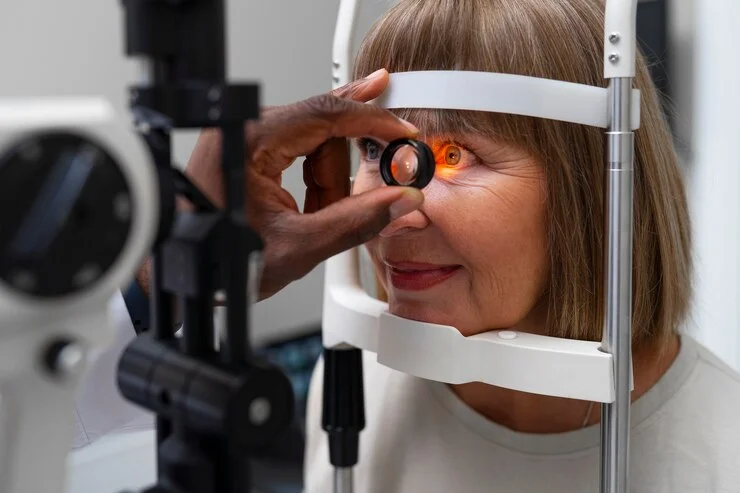
Accurate evaluation is a cornerstone of successful Vitreo Retina Management. Comprehensive eye examinations allow specialists to closely inspect the retina and vitreous for abnormalities. Optical coherence tomography provides detailed images that reveal subtle changes in retinal layers. Retinal photography helps document disease progression and treatment response over time. Ultrasound imaging is used when the vitreous becomes opaque due to blood or debris. These diagnostic tools work together to ensure precise assessment and informed treatment planning. Timely diagnosis enables earlier intervention, which often leads to better visual outcomes. Advanced diagnostics also help patients understand their condition and treatment options more clearly.
Nonsurgical Options in Vitreo Retina Management
Many patients benefit from nonsurgical approaches that are an essential part of Vitreo Retina Management. Observation and scheduled follow ups are appropriate for stable conditions that do not threaten immediate vision. Medications may be prescribed to control inflammation or manage underlying systemic issues that affect retinal health. Intravitreal injections deliver targeted therapy directly into the eye for conditions such as retinal swelling or abnormal blood vessel growth. Laser therapy is used to seal retinal tears or slow disease progression in certain cases. Lifestyle adjustments such as blood sugar control and smoking cessation also support retinal health.
Common Nonsurgical Strategies Used in Vitreo Retina Management
• Regular monitoring and imaging follow ups
• Medical treatment for inflammatory retinal conditions
• Intravitreal injections for vascular retinal disorders
• Laser procedures for retinal stabilization
• Lifestyle and systemic health optimization
Each of these strategies is selected based on the patient’s diagnosis, risk factors, and visual goals. Vitreo Retina Management emphasizes individualized care plans that evolve over time. Consistent follow up ensures that treatment remains effective as conditions change.
Surgical Solutions in Vitreo Retina Management
Surgical intervention becomes necessary when vitreoretinal conditions pose a significant risk to vision. Vitrectomy is a commonly performed procedure that removes the vitreous to allow access to the retina. This surgery is used to treat retinal detachment, macular holes, and persistent vitreous hemorrhage. Advances in surgical techniques have improved precision and reduced recovery time. Many patients experience stabilization or improvement in vision following appropriate surgical care. Postoperative monitoring is essential to support healing and detect potential complications early. Vitreo Retina Management includes comprehensive surgical planning and aftercare to promote optimal results.
Advancements Shaping Modern Vitreo Retina Management
Technological progress continues to enhance Vitreo Retina Management in meaningful ways. Improved imaging systems allow for earlier detection of retinal abnormalities. Surgical tools have become smaller and more refined, increasing safety and accuracy. Digital record keeping supports better long term disease tracking. Research into new medications and treatment delivery methods is expanding available options. These advancements help specialists provide more effective and patient centered care. Innovation also contributes to improved comfort and confidence for patients undergoing treatment. As technology evolves, Vitreo Retina Management becomes more precise and proactive.
Preventive Strategies for Lasting Retinal Health
Preventive care plays a vital role in long term Vitreo Retina Management. Routine eye examinations help detect changes before symptoms interfere with daily life. Managing chronic conditions such as diabetes and high blood pressure reduces the risk of retinal damage. A balanced diet rich in nutrients that support eye health contributes to retinal resilience. Protecting the eyes from injury and ultraviolet exposure also supports long term function. Patient education encourages awareness of warning signs that require prompt evaluation. Preventive strategies reduce the likelihood of severe complications and support lifelong vision care.
Selecting a Specialist for Vitreo Retina Management
Choosing the right provider is an important step in Vitreo Retina Management. Vitreoretinal specialists have advanced training focused on complex retinal and vitreous disorders. Patients can expect detailed assessments and clear explanations during consultations. Access to modern diagnostic tools and treatment options enhances care quality. Collaboration between eye care providers ensures comprehensive management across all stages of care. Trust and open communication improve patient confidence and adherence to treatment plans. Selecting an experienced specialist supports better outcomes and long term vision preservation.
Frequently Asked Questions About Vitreo Retina Management
What does Vitreo Retina Management involve
Vitreo Retina Management involves evaluating and treating conditions affecting the vitreous and retina. It includes diagnostic testing, medical treatment, surgical care, and long term monitoring.
Who should seek Vitreo Retina Management
Individuals experiencing vision changes, floaters, flashes, or those diagnosed with retinal disease benefit from specialized care. Early evaluation is especially important for people with diabetes or age related eye concerns.
Are all vitreoretinal conditions serious
Some conditions are mild and stable, while others require urgent treatment. Vitreo Retina Management helps determine the level of risk and appropriate care plan.
Is recovery different for nonsurgical and surgical treatments
Nonsurgical treatments typically involve minimal recovery time. Surgical treatments may require weeks of healing and follow up visits to monitor progress.
Can lifestyle changes support Vitreo Retina Management
Yes, managing systemic health, maintaining a healthy diet, and avoiding smoking all contribute to better retinal outcomes.
How often should follow up visits be scheduled
Follow up frequency depends on the condition and treatment plan. Your specialist will recommend a schedule tailored to your needs.
Takeaway
Vitreo Retina Management is essential for protecting vision and maintaining retinal health across all stages of life. Through early diagnosis, personalized treatment strategies, and preventive care, patients can reduce the risk of vision loss from complex vitreoretinal conditions. Advances in technology continue to enhance accuracy and treatment effectiveness. Ongoing collaboration between patients and specialists supports informed decision making and long term care success. Prioritizing retinal health today helps preserve visual clarity and quality of life well into the future.