






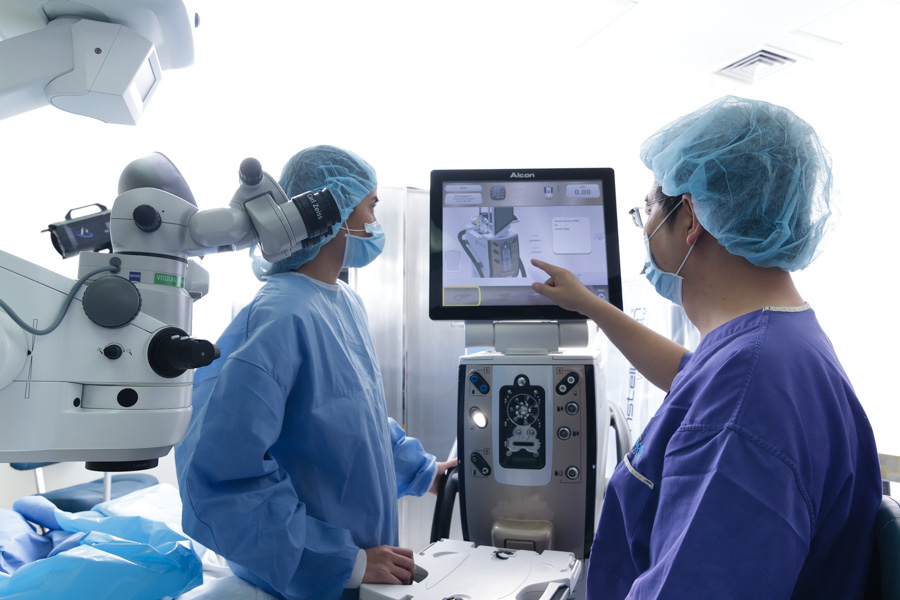
Healthy vision is essential for a child’s learning, growth, and daily life. Pediatric Eye care focuses on diagnosing, managing, and treating eye conditions unique to children, ensuring that vision issues do not interfere with development or school performance. Services range from routine eye exams to advanced medical and surgical treatments. Early attention to pediatric eye care improves outcomes and can prevent long-term complications, allowing children to enjoy clear vision and a confident life.
Children can develop a variety of vision problems that differ from adults. Blurred vision, crossed eyes, and refractive errors such as nearsightedness or farsightedness can affect school performance and daily activities. Although eye diseases are more common in older adults, children may be born with cataracts, develop glaucoma, or have complications from premature birth that affect eye development. Detecting these issues early through pediatric eye care allows specialists to treat conditions promptly, preserving vision and supporting overall health.
Why Pediatric Eye Care is Essential
Children rely heavily on their vision to explore the world, interact with peers, and succeed academically. Pediatric Eye care is crucial because children’s eyes are still developing, and untreated problems can have long-lasting effects. Conditions like strabismus (crossed eyes) or amblyopia (lazy eye) can lead to permanent vision loss if not addressed early.
Regular pediatric eye care provides opportunities for early diagnosis, allowing children to receive treatment before complications arise. Eye exams can identify subtle problems that parents may not notice, ensuring interventions happen at the right time. Pediatric Eye care not only addresses medical needs but also promotes healthy visual development, supports cognitive growth, and enhances quality of life for children.
Common Pediatric Eye Conditions
Recognizing common eye problems in children can help parents seek timely pediatric eye care.
Strabismus (Crossed Eyes)
Strabismus occurs when one or both eyes do not align correctly. This misalignment can cause double vision or force the brain to favor one eye over the other, potentially leading to amblyopia. Pediatric Eye care specialists provide treatment through corrective lenses, vision exercises, or surgery for more severe cases, helping children achieve proper eye alignment and improved visual function.
Refractive Errors
Children may experience nearsightedness, farsightedness, or astigmatism. These conditions can affect the ability to read, write, or see objects at a distance. Pediatric Eye care involves comprehensive examinations to identify refractive errors and prescribe glasses or contact lenses, ensuring children can see clearly and perform well academically.
Congenital Eye Disorders
Some children are born with cataracts, glaucoma, or other congenital eye conditions. Pediatric Eye care provides early detection and intervention, which is critical for preventing permanent vision impairment. Timely surgical or medical treatment ensures children develop healthy vision during formative years.
Premature Birth-Related Eye Conditions
Premature infants may have underdeveloped eyes, increasing the risk of retinopathy of prematurity (ROP). ROP can lead to severe vision problems or blindness if untreated. Pediatric Eye care specialists monitor premature infants closely, providing treatment such as laser therapy or medication to safeguard vision and support proper eye growth.
Eye Injuries and Infections
Children are more prone to eye injuries during play or sports. Eye infections, including conjunctivitis, are also common. Pediatric Eye care ensures proper evaluation, treatment, and follow-up, preventing complications and promoting full recovery. Specialists provide guidance to reduce the risk of future injuries or infections.
Pediatric Eye Exams: The First Step
Routine eye exams are fundamental in pediatric eye care. Experts recommend an initial screening by six months of age, followed by examinations at ages three and five, with regular check-ups throughout school years. Pediatric eye exams evaluate visual acuity, eye alignment, color vision, focusing ability, and overall eye health.
Comprehensive eye exams allow specialists to detect refractive errors, monitor eye development, and identify early signs of diseases such as glaucoma or amblyopia. Pediatric Eye care helps children receive corrective treatments like glasses, vision therapy, or surgery when needed. Parents gain the knowledge and guidance necessary to support their child’s eye health and prevent potential issues from escalating.
Treatments Available in Pediatric Eye Care
Pediatric Eye care includes a wide range of treatment options tailored to each child’s needs.
Vision Therapy
Vision therapy is a series of exercises designed to strengthen eye coordination, focusing ability, and visual perception. It is particularly effective for amblyopia, strabismus, and convergence insufficiency. Pediatric Eye care specialists create customized therapy programs to improve visual skills and enhance a child’s ability to perform everyday tasks.
Medical Treatments
Certain eye conditions, such as infections, inflammation, or allergies, may require medications or specialized eye drops. Pediatric Eye care ensures accurate diagnosis and appropriate treatment, reducing the risk of long-term complications and maintaining healthy vision.
Surgical Interventions
Some conditions, including congenital cataracts, severe strabismus, or glaucoma, may require surgical correction. Pediatric Eye care surgeons use advanced, safe techniques to address these issues, minimizing discomfort and promoting rapid recovery. Surgery is considered when non-invasive treatments are insufficient to restore optimal vision.
Preventive Care
Pediatric Eye care emphasizes prevention. Specialists advise on daily habits to protect eyes, including proper lighting while reading, limiting screen time, using protective eyewear for sports, and maintaining a diet rich in nutrients that support eye health. Early education on these habits empowers children to care for their vision as they grow.
Why Choose Peregrine Eye and Laser Institute for Pediatric Eye Care
Peregrine Eye and Laser Institute (PELI) is a trusted provider of pediatric eye care in Metro Manila. Established in January 2013 by Mr. Jimmy Tan, Dr. Harvey Uy, and Dr. Pik Sha Chan Uy, PELI strives for a blind-free Philippines by offering advanced eye care services.
With facilities located in Makati, Manila, and Quezon City, PELI provides convenient access to world-class pediatric eye care. The institute combines state-of-the-art equipment with compassionate service to ensure children receive effective treatment in a comfortable environment.
PELI’s ophthalmologists bring extensive training from prestigious institutions such as Harvard Medical School, Johns Hopkins University, UCLA, California Pacific Medical Center, University of Wisconsin, and Singapore National Eye Center. Their decades of clinical and surgical experience make PELI a leader in pediatric Eye care, capable of handling both routine and complex cases.
Expertise and Facilities
PELI features advanced diagnostic tools and modern operating theaters for comprehensive pediatric Eye care. Clinics are designed to be child-friendly and welcoming, minimizing stress for both children and parents. Allied medical staff undergo regular training in technical skills and patient care, ensuring every child receives professional and compassionate support.
The institute’s commitment to personalized care means parents are informed about diagnoses, treatment options, and expected outcomes. Pediatric Eye care at PELI combines medical expertise with emotional support, providing children with a positive healthcare experience.
Tips for Maintaining Children’s Eye Health
Parents play an essential role in supporting pediatric Eye care by promoting healthy habits. Suggestions include:
- Limiting screen time and encouraging outdoor activities
- Ensuring proper lighting while reading or studying
- Encouraging a balanced diet rich in eye-healthy nutrients
- Using protective eyewear during sports or play
- Observing early signs of vision problems and seeking prompt evaluation
These steps, combined with regular pediatric Eye care check-ups, help prevent vision problems and support long-term eye health.
Takeaway
Pediatric Eye care is essential for a child’s development, learning, and overall well-being. Early detection, regular exams, and proper treatment can prevent permanent vision problems and support a confident, active lifestyle. Peregrine Eye and Laser Institute combines world-class expertise, advanced technology, and compassionate care to provide children with the highest standard of pediatric Eye care. Parents can trust PELI to protect and enhance their child’s vision, ensuring healthy eyes for life.
FAQ: Pediatric Eye Care
Q: When should my child have their first eye exam?
A: The first pediatric eye exam is recommended by six months of age, followed by regular check-ups at ages three, five, and throughout school years.
Q: What are common signs that my child needs pediatric Eye care?
A: Signs include frequent squinting, covering one eye, sitting close to screens, complaints of blurry vision, crossed eyes, or difficulty in school.
Q: Can vision therapy help my child?
A: Yes, vision therapy can improve eye coordination, focusing, and visual perception, especially for amblyopia or strabismus.
Q: Are pediatric eye exams painful?
A: Pediatric eye exams are non-invasive and generally painless. Specialists use child-friendly techniques to ensure comfort during the evaluation.
Q: Does Peregrine handle complex pediatric eye surgeries?
A: Yes, PELI has advanced surgical facilities and experienced ophthalmologists capable of performing complex pediatric eye procedures safely.
Q: How can parents support children’s eye health at home?
A: Encouraging outdoor activity, proper lighting, balanced nutrition, limiting screen time, and using protective eyewear helps maintain healthy vision between exams.