








Clear vision plays a vital role in daily life, from reading messages to driving safely and recognizing loved ones. Many serious eye conditions develop slowly and without obvious warning signs. A Comprehensive Eye Check-Up is one of the most effective ways to protect your eyesight and detect problems like glaucoma and cataract at an early stage. Early diagnosis allows timely treatment, helping prevent permanent vision loss and preserving long-term eye health.
What is a Comprehensive Eye Check-Up?
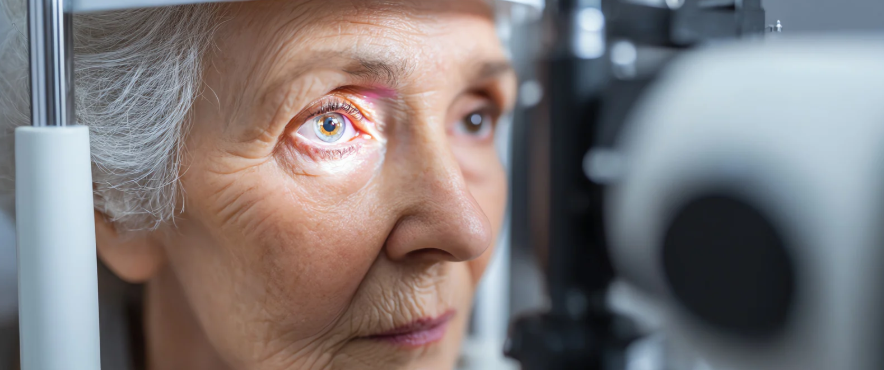
A Comprehensive Eye Check-Up is a detailed evaluation of your overall eye health, not just a simple vision test for glasses. While a basic eye exam may measure how clearly you see letters on a chart, a comprehensive assessment examines the internal and external structures of the eyes.
During a Comprehensive Eye Check-Up, an eye specialist typically performs:
- Visual acuity testing
- Refraction assessment for eyeglasses or contact lenses
- Intraocular pressure measurement
- Slit-lamp examination
- Dilated eye exam
- Retinal evaluation
- Imaging tests such as Optical Coherence Tomography (OCT), when needed
This thorough process allows early detection of conditions that may not show noticeable symptoms, including glaucoma and cataract.
Understanding Glaucoma: The Silent Thief of Sight
Glaucoma is often called the “silent thief of sight” because it can gradually damage the optic nerve without pain or early warning signs. By the time symptoms become noticeable, significant and irreversible vision loss may have already occurred.
There are different types of glaucoma, with primary open-angle glaucoma being the most common. Risk factors include:
- Age over 40
- Family history of glaucoma
- High intraocular pressure
- Diabetes or hypertension
- Long-term steroid use
A Comprehensive Eye Check-Up is crucial for detecting glaucoma early. Measuring eye pressure alone is not enough; a detailed optic nerve evaluation and visual field testing are also essential. Early diagnosis allows doctors to manage the condition with medications, laser treatment, or surgery to prevent further damage.
Understanding Cataract: A Common Age-Related Condition
Cataract occurs when the natural lens of the eye becomes cloudy, leading to blurred or hazy vision. It is a common age-related condition but can also develop due to trauma, prolonged sun exposure, diabetes, or certain medications.
Common cataract symptoms include:
- Blurry or cloudy vision
- Increased sensitivity to glare
- Difficulty seeing at night
- Faded or yellowed colors
- Frequent changes in eyeglass prescription
A Comprehensive Eye Check-Up can detect early lens changes even before vision becomes severely affected. Early identification allows proper monitoring and timely planning for cataract surgery when necessary.
How a Comprehensive Eye Check-Up Detects Glaucoma Early
Glaucoma detection requires more than a routine vision screening. A Comprehensive Eye Check-Up includes several specialized tests designed to assess optic nerve health and eye pressure.
Key components include:
- Tonometry to measure intraocular pressure
- Visual field testing to check for peripheral vision loss
- Optic nerve examination through dilation
- OCT imaging to evaluate nerve fiber thickness
Tracking changes over time is critical. Regular Comprehensive Eye Check-Up visits allow eye specialists to compare results and identify subtle signs of progression. Early intervention significantly reduces the risk of permanent vision loss.
How a Comprehensive Eye Check-Up Detects Cataracts Early
Cataracts often develop gradually, and patients may not notice vision changes right away. A Comprehensive Eye Check-Up uses a slit-lamp microscope to closely examine the lens and detect even mild clouding.
During the exam, the eye doctor will:
- Evaluate lens clarity
- Assess how cataracts affect visual acuity
- Determine the stage of cataract development
- Recommend monitoring or surgical consultation if needed
Detecting cataracts early ensures proper monitoring and helps patients plan surgery at the right time, improving outcomes and restoring clear vision effectively.
Who Should Get a Comprehensive Eye Check-Up?
Everyone can benefit from regular eye exams, but certain groups are at higher risk and should prioritize a Comprehensive Eye Check-Up:
- Adults aged 40 and above
- Individuals with a family history of glaucoma or cataract
- People with diabetes or hypertension
- Those experiencing blurry vision, eye pain, or frequent headaches
- Patients with previous eye injuries
For adults over 40, an annual Comprehensive Eye Check-Up is strongly recommended. Those with risk factors may need more frequent evaluations based on their doctor’s advice.
Benefits of Early Detection Through a Comprehensive Eye Check-Up
Early detection offers several important benefits:
- Prevents irreversible optic nerve damage
- Reduces the risk of severe vision impairment
- Allows early medical or surgical intervention
- Improves overall quality of life
- Provides peace of mind
Glaucoma-related vision loss cannot be reversed, but it can be slowed or stopped with early treatment. Cataracts can be safely treated with surgery, especially when diagnosed at the right stage. A Comprehensive Eye Check-Up is the foundation of preventive eye care.
What to Expect During Your Comprehensive Eye Check-Up
Patients sometimes feel anxious about what happens during an eye exam. A Comprehensive Eye Check-Up is typically comfortable and non-invasive.
The process usually includes:
- Medical history review
- Vision testing
- Eye pressure measurement
- Detailed examination using specialized equipment
- Possible dilation to examine the retina and optic nerve
The appointment may take about 45 minutes to an hour, depending on the tests required. If dilation is performed, temporary light sensitivity or blurred near vision may occur for a few hours.
Choosing the right eye care provider is equally important. Peregrine Eye and Laser Institute is widely recognized for delivering advanced diagnostic technology and expert ophthalmology services. Their experienced specialists provide thorough Comprehensive Eye Check-Up services tailored to each patient’s needs, ensuring early detection and proper management of glaucoma and cataract.
Why Choose Peregrine Eye and Laser Institute?
When it comes to protecting your vision, expertise and technology matter. Peregrine Eye and Laser Institute offers:
- Advanced diagnostic equipment for accurate detection
- Highly trained ophthalmologists
- Comprehensive glaucoma screening
- Expert cataract evaluation and surgical care
- Patient-centered approach
Their commitment to excellence makes them the best company to engage for a Comprehensive Eye Check-Up focused on early detection of glaucoma and cataract. Early diagnosis combined with professional care significantly improves long-term outcomes.
Takeaway
Vision is priceless, and preventive care is the key to preserving it. Glaucoma and cataract often develop silently, but both can be effectively managed when detected early. Scheduling a regular Comprehensive Eye Check-Up ensures that potential problems are identified before they cause serious damage.
Prioritizing a Comprehensive Eye Check-Up at Peregrine Eye and Laser Institute provides peace of mind, accurate diagnosis, and access to expert treatment options. Taking proactive steps today can protect your eyesight for years to come.
Frequently Asked Questions
How often should I get a Comprehensive Eye Check-Up?
Adults over 40 should have a Comprehensive Eye Check-Up at least once a year. Individuals with risk factors may require more frequent visits.
Can glaucoma be cured?
Glaucoma cannot be cured, but early detection through a Comprehensive Eye Check-Up allows effective management to prevent further vision loss.
At what age do cataracts usually start?
Cataracts commonly begin developing after age 40, though noticeable symptoms may appear later. Regular Comprehensive Eye Check-Up visits help detect early changes.
Is cataract surgery safe?
Cataract surgery is one of the safest and most commonly performed procedures worldwide. Early evaluation through a Comprehensive Eye Check-Up helps determine the best timing for surgery.
Are glaucoma symptoms noticeable in the early stages?
Most types of glaucoma do not show early symptoms. A Comprehensive Eye Check-Up is essential for detecting glaucoma before vision is affected.