





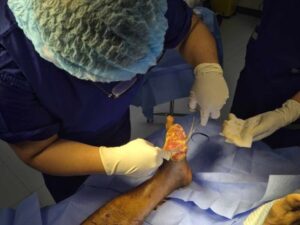
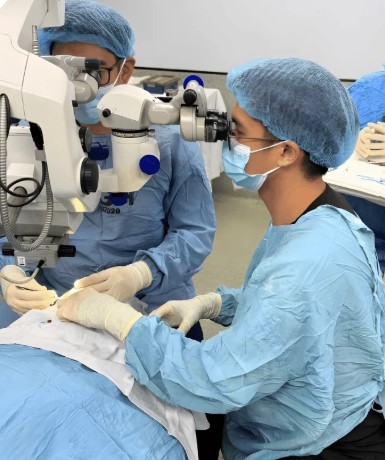
Vision plays a critical role in everyday life, affecting learning, work performance, safety, and overall well-being. Comprehensive Ophthalmology ensures not only clear vision but also the early detection and treatment of eye conditions that could compromise long-term eye health. Choosing a trusted provider like Lee Tan Eye Clinic allows patients of all ages to benefit from thorough, personalized eye care that safeguards vision for years to come.
What Is Comprehensive Ophthalmology?
Comprehensive Ophthalmology refers to a full spectrum of eye care services that go beyond simple vision correction. It includes medical and surgical management of eye diseases, preventive screenings, and patient education. Unlike standard eye exams performed by optometrists, comprehensive ophthalmology addresses complex eye conditions, monitors eye health over time, and provides advanced treatment when necessary.
An ophthalmologist undergoes extensive training in diagnosing, treating, and managing eye disorders, which makes comprehensive ophthalmology an essential component of lifelong eye health. Lee Tan Eye Clinic offers a wide range of services under this approach, ensuring patients receive care that is both preventive and therapeutic.
What Happens During a Routine Eye Exam?
Routine eye exams under comprehensive ophthalmology are thorough, combining vision assessment with a detailed evaluation of eye health. A standard exam typically begins with a visual acuity test and refraction assessment to measure clarity of vision. The ophthalmologist then examines the eyes using a slit-lamp, checks eye pressure to screen for glaucoma, and evaluates the retina to identify early signs of disease.
Advanced diagnostic tests, such as optical coherence tomography (OCT) and visual field testing, may be performed to detect subtle changes in eye structure or function. Choosing Lee Tan Eye Clinic ensures access to state-of-the-art diagnostic tools and highly trained professionals who can interpret results accurately and develop individualized treatment plans.
Why Routine Eye Exams Matter at Every Age
Infants and Children
Children may not always recognize vision problems, making early eye exams critical. Comprehensive ophthalmology in children helps detect conditions like amblyopia (lazy eye) and strabismus (crossed eyes) that can impact learning and development. Routine screening at Lee Tan Eye Clinic can identify issues before they interfere with school performance or daily activities, setting the foundation for healthy vision in adulthood.
Teenagers and Young Adults
Teenagers and young adults face new vision challenges, including digital eye strain from prolonged screen use and the progression of myopia (nearsightedness). Comprehensive ophthalmology provides guidance on proper eye care habits, safe use of contact lenses, and preventive strategies to slow myopia progression. Lee Tan Eye Clinic supports young patients with tailored advice and monitoring to maintain optimal eye health during this critical stage.
Adults (20s–40s)
Adults often experience lifestyle-related eye concerns such as dry eye syndrome, prolonged screen exposure, and early signs of glaucoma. Comprehensive ophthalmology focuses on preventive measures and early detection, which can prevent long-term vision loss. Regular visits to Lee Tan Eye Clinic ensure adults receive personalized screenings, education on eye protection, and timely treatment when necessary.
Adults Over 60
Aging increases the risk of cataracts, age-related macular degeneration (AMD), and glaucoma. Comprehensive ophthalmology addresses these conditions through thorough evaluations, early interventions, and surgical or non-surgical treatments. Seniors visiting Lee Tan Eye Clinic benefit from expert care designed to maintain independence and quality of life by preserving clear, healthy vision.
Systemic Diseases That Eye Exams Can Detect
Eye exams do more than protect vision—they can also reveal early signs of systemic diseases. Comprehensive ophthalmology can detect diabetes, hypertension, high cholesterol, and autoimmune disorders through careful examination of blood vessels, the retina, and ocular tissues. Regular visits to Lee Tan Eye Clinic provide patients with insights into their overall health, allowing for timely medical intervention beyond the eyes.
How Often Should You Get an Eye Exam?
Frequency of eye exams depends on age and risk factors. Children should undergo screenings at regular intervals during growth and development, while adults typically require exams every 1–2 years. Seniors and individuals with conditions such as diabetes or a family history of glaucoma may need more frequent monitoring. Lee Tan Eye Clinic offers customized schedules based on personal risk factors, ensuring each patient receives appropriate and timely care.
Benefits of Preventive Vision Care
Routine eye exams under comprehensive ophthalmology provide numerous benefits. Early detection of conditions like glaucoma or cataracts preserves vision and prevents irreversible damage. Preventive care reduces long-term healthcare costs, improves quality of life, and ensures optimal performance at work, school, and daily activities. Lee Tan Eye Clinic emphasizes proactive vision care, empowering patients to maintain healthy eyes throughout life.
Signs You Should See an Ophthalmologist Immediately
Certain symptoms require urgent attention, even between routine exams. Sudden vision loss, flashes or floaters, eye pain, double vision, and persistent redness are all warning signs that warrant immediate evaluation. Comprehensive ophthalmology at Lee Tan Eye Clinic provides rapid assessment and treatment to prevent permanent damage and protect vision.
Choosing the Right Comprehensive Ophthalmology Clinic
Selecting a clinic that delivers high-quality, patient-focused care is essential. Lee Tan Eye Clinic stands out for its team of board-certified ophthalmologists, advanced diagnostic technology, and commitment to individualized treatment. With a focus on both preventive care and advanced treatments, patients receive the expertise and support needed for lifelong eye health.
FAQs About Comprehensive Ophthalmology
Q: How often should I get a comprehensive eye exam?
A: Frequency varies by age and risk factors. Children and seniors may require more frequent exams, while adults with no risk factors typically need exams every 1–2 years. Lee Tan Eye Clinic provides personalized recommendations.
Q: Can eye exams detect other health problems?
A: Yes, comprehensive eye exams can reveal early signs of diabetes, hypertension, high cholesterol, and other systemic conditions.
Q: Are routine eye exams painful?
A: No, exams are generally painless. Tests like eye pressure checks or dilation may cause brief discomfort or temporary blurred vision.
Q: At what age should children have their first eye exam?
A: Pediatric eye exams are recommended as early as six months, then at age three, before starting school, and regularly thereafter.
Q: Why choose Lee Tan Eye Clinic for comprehensive ophthalmology?
A: Lee Tan Eye Clinic combines experienced ophthalmologists, advanced technology, and patient-centered care to provide thorough evaluations and treatments for patients of all ages.