







Orchidopexy is a surgical procedure designed to correct undescended testicles, a condition medically known as cryptorchidism. This condition occurs when one or both testicles fail to move into the scrotum before birth or shortly after. Early detection and treatment are critical because undescended testicles can lead to long-term complications if left untreated. Orchidopexy is considered the gold-standard procedure to address this condition, helping restore proper testicular function, reduce cancer risk, and improve overall reproductive health.
The Specialist Surgery & Cancer Center (TSSCC) in Quezon City, Metro Manila, offers safe and precise Orchidopexy procedures performed by experienced doctors. Our clinics are designed to provide a clean, patient-focused environment where children and their families can receive specialized care without the stress of prolonged hospital stays. Many families across Metro Manila and the Philippines trust TSSCC for timely interventions, accurate diagnosis, and comprehensive treatment plans.
What is Orchidopexy?
Orchidopexy is a surgical procedure aimed at relocating undescended testicles into the scrotum and securing them in place. The procedure is usually performed on infants or young children, ideally between six months and one year of age. Orchidopexy not only addresses the immediate cosmetic and anatomical concerns but also significantly improves long-term health outcomes. Proper placement of the testicle can preserve fertility potential, reduce the risk of testicular cancer, and prevent complications such as testicular torsion or hernia formation.
During Orchidopexy, surgeons carefully identify the undescended testicle, release any attachments that may prevent proper descent, and place it securely in the scrotum. This allows the testicle to function normally, produce hormones, and maintain reproductive capability. Advanced techniques used at TSSCC ensure precision, minimal tissue trauma, and reduced post-operative discomfort, making Orchidopexy a safe and effective solution for pediatric patients.
Who Needs Orchidopexy?
Orchidopexy is recommended for children diagnosed with undescended testicles. Cryptorchidism is one of the most common congenital conditions in male infants, affecting approximately 3% of full-term newborns and up to 30% of premature infants. The condition may involve one or both testicles and can sometimes resolve on its own within the first six months of life. However, if the testicle remains undescended beyond this period, Orchidopexy becomes necessary to prevent future complications.
Signs that indicate the need for Orchidopexy include a visible or palpable absence of one or both testicles in the scrotum, asymmetry in scrotal development, and occasionally pain or swelling if the condition is associated with a hernia. Timely Orchidopexy is crucial because delayed treatment can increase the risk of infertility, testicular malignancy, and psychosocial issues related to physical appearance. TSSCC emphasizes early intervention to ensure optimal outcomes for all patients.
How Orchidopexy is Performed
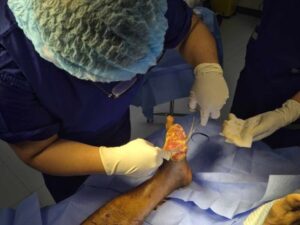
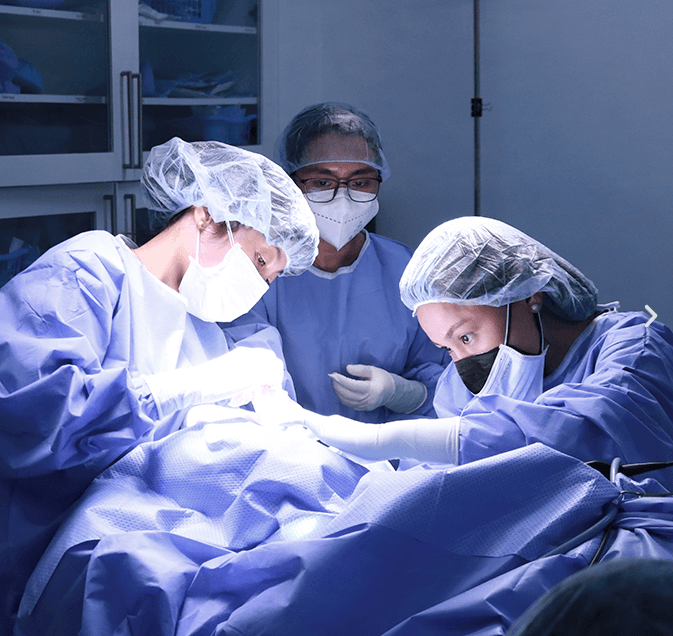
Orchidopexy is typically performed under general anesthesia, allowing the child to remain comfortable and pain-free during the procedure. Surgeons at TSSCC follow meticulous steps to ensure the highest level of safety and effectiveness. The process begins with a careful examination and identification of the undescended testicle. Any adhesions or fibrous tissues restricting movement are gently released, allowing the testicle to descend naturally into the scrotum.
Once the testicle is properly positioned, it is secured in place with fine sutures to prevent retraction. Surgeons ensure that blood supply remains intact, preserving the testicle’s function. In cases where the testicle is located higher in the abdomen, minimally invasive techniques such as laparoscopic Orchidopexy may be employed. Outpatient procedures at TSSCC allow children to recover in a comfortable home environment while reducing the risk of hospital-acquired infections and long waiting times.
Recovery and Aftercare
Recovery after Orchidopexy is generally smooth, with most children returning to normal activities within a few days. Parents are advised to monitor the surgical site for signs of infection, swelling, or unusual discomfort. Mild pain and bruising are expected and can be managed with doctor-recommended medications. Sutures are usually absorbable, eliminating the need for removal and reducing stress for young patients.
Follow-up appointments at TSSCC ensure proper healing and confirm that the testicle remains in the correct position. Families receive detailed instructions on activity restrictions, hygiene, and signs to watch for during the recovery period. By prioritizing careful aftercare, TSSCC helps children heal safely and comfortably while achieving the best possible outcomes from Orchidopexy.
Why Choose The Specialist Surgery & Cancer Center
Families seeking Orchidopexy at TSSCC benefit from a combination of expertise, safety, and patient-focused care. Our clinics offer a clean, welcoming environment designed to minimize stress for children and parents. Skilled surgeons specialize in pediatric and general urology, ensuring precise and effective procedures. TSSCC emphasizes outpatient care whenever possible, allowing children to recover at home while reducing unnecessary exposure to hospital-based infections.
Affordability is another key factor. Many families hesitate to seek treatment due to cost concerns, which can delay care and increase the risk of complications. TSSCC provides value-for-money services that encourage early consultation and timely interventions. The combination of affordability, expert care, and a patient-centered approach makes TSSCC a preferred choice for Orchidopexy in Quezon City and surrounding areas.
Takeaway
Orchidopexy is a safe and effective surgical procedure that addresses undescended testicles while protecting long-term reproductive health. Early detection and treatment are essential to prevent complications such as infertility and testicular malignancy. Families across Metro Manila and the Philippines choose The Specialist Surgery & Cancer Center for Orchidopexy because of our experienced surgeons, patient-focused outpatient care, and affordable services. Parents can trust TSSCC to provide precise, compassionate care that ensures safe recovery and lasting health benefits. Scheduling a consultation for Orchidopexy allows children to receive timely treatment, giving them the best chance for healthy growth and development.
Frequently Asked Questions About Orchidopexy
What is the ideal age for Orchidopexy?
Orchidopexy is usually recommended between six months and one year of age. Early intervention reduces the risk of fertility issues and testicular malignancy later in life.
Is Orchidopexy a safe procedure?
Yes, Orchidopexy is a safe procedure when performed by experienced surgeons. At TSSCC, meticulous surgical techniques and a sterile outpatient environment ensure minimal complications.
How long does Orchidopexy take?
The procedure typically lasts between 45 minutes to an hour, depending on the complexity and location of the undescended testicle.
Is general anesthesia required for Orchidopexy?
Yes, general anesthesia is used to ensure the child remains comfortable and pain-free during surgery. Our anesthesiologists are highly trained in pediatric care.
What can parents expect during recovery?
Most children recover quickly at home. Mild pain, swelling, and bruising are normal and can be managed with medications. Parents should monitor for signs of infection and follow post-operative care instructions.
Can Orchidopexy affect fertility?
Properly performed Orchidopexy preserves testicular function and significantly improves fertility potential compared to untreated undescended testicles.
Is Orchidopexy an outpatient procedure?
Yes, most Orchidopexy procedures at TSSCC are performed as outpatient surgeries, allowing children to recover safely at home.
Will Orchidopexy prevent testicular cancer?
Orchidopexy reduces the risk of testicular cancer compared to untreated undescended testicles. Early treatment is essential for optimal outcomes.