






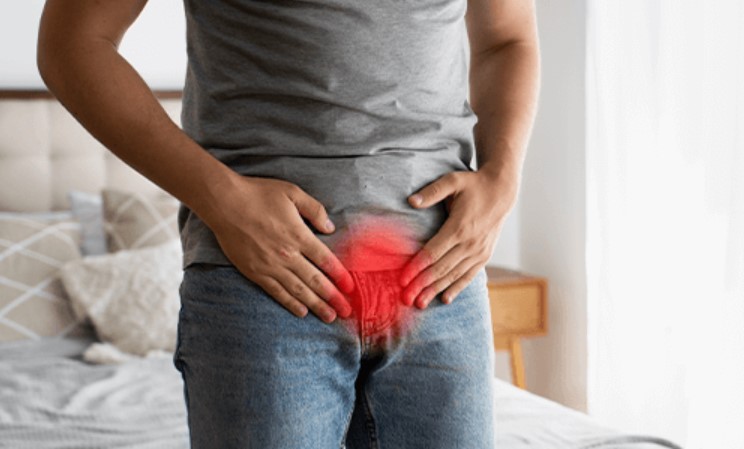
Hernias are a common medical condition that occurs when an organ or tissue pushes through a weak spot in the surrounding muscle or connective tissue. Many people delay treatment because symptoms may initially seem minor or manageable. However, leaving a hernia untreated can lead to serious health complications. Consulting a trusted provider like The Specialists Surgery & Cancer Center for Hernia Repair Surgery ensures that patients receive safe and effective care before complications arise.
Understanding Hernias
What Is a Hernia?
A hernia occurs when tissue, often part of the intestine, protrudes through a weak area in the abdominal wall. This can cause a noticeable bulge, discomfort, and pain, especially when lifting, coughing, or straining.
Common Types of Hernias
- Inguinal (Groin) Hernia: The most common type, occurring when intestines push through the lower abdominal wall.
- Femoral Hernia: Appears near the thigh and is more common in women.
- Umbilical Hernia: Occurs around the belly button, often seen in infants or adults with increased abdominal pressure.
- Incisional Hernia: Develops at the site of a previous surgical incision.
- Hiatal Hernia: Happens when part of the stomach pushes through the diaphragm into the chest cavity.
Can a Hernia Heal on Its Own?
Hernias do not resolve without medical treatment. While symptom management may provide temporary relief, the hernia itself will not heal naturally. Relying on home remedies or avoiding medical evaluation can increase the risk of complications. Hernia Repair Surgery at The Specialists Surgery & Cancer Center provides a definitive solution and prevents further health risks.
What Happens If a Hernia Is Left Untreated?
Hernia Enlargement Over Time
Hernias tend to grow larger over time as the weak spot in the abdominal wall expands. This can make the bulge more visible and uncomfortable, increasing the difficulty of future surgical repair.
Chronic Pain and Reduced Mobility
Untreated hernias can lead to ongoing pain and discomfort. Individuals may struggle with everyday activities, including walking, lifting, and exercising, which can significantly impact quality of life.
Digestive and Urinary Problems
Some hernias can interfere with digestion or urinary function. Severe cases may cause bowel obstruction, constipation, or urinary discomfort, highlighting the importance of timely Hernia Repair Surgery.
Serious Complications of Untreated Hernias
Incarcerated Hernia
An incarcerated hernia occurs when the protruding tissue becomes trapped and cannot be pushed back into place. This can cause severe pain, swelling, and a medical emergency requiring urgent Hernia Repair Surgery.
Strangulated Hernia
A strangulated hernia is a life-threatening condition where the blood supply to the trapped tissue is cut off. If not treated immediately, it can lead to tissue death, infection, and potentially fatal complications.
Infection and Tissue Damage
Delayed treatment increases the risk of infection, tissue necrosis, and other serious complications. Prompt Hernia Repair Surgery prevents these outcomes and ensures the tissue is restored safely.
When an Untreated Hernia Becomes a Medical Emergency
Warning signs of a medical emergency include:
- Severe, sudden pain at the hernia site
- Nausea and vomiting
- Redness, discoloration, or tenderness over the bulge
- Fever or inability to pass stool
If these symptoms appear, seeking urgent care at The Specialists Surgery & Cancer Center for emergency Hernia Repair Surgery is critical.
Long-Term Health Risks of Delaying Hernia Treatment
Delaying hernia treatment can make future surgery more complex, extend recovery time, and increase the risk of post-operative complications. Untreated hernias may also reduce quality of life due to chronic pain and restricted mobility. Early consultation with The Specialists Surgery & Cancer Center ensures safer, less invasive Hernia Repair Surgery.
Who Is Most at Risk If a Hernia Is Left Untreated?
Certain individuals face higher risks of complications if hernias are not treated:
- Older adults with weaker abdominal walls
- People with physically demanding jobs or heavy lifting
- Individuals with obesity, chronic cough, or constipation
- Patients with a history of abdominal surgery
Why Early Hernia Treatment Matters
Elective Hernia Repair Surgery offers significant benefits, including faster recovery, lower risk of complications, and long-term relief from discomfort. Addressing the hernia early helps prevent emergency situations and improves overall outcomes.
Hernia Treatment Options
While some cases may initially be monitored, surgical intervention is the definitive solution. Hernia Repair Surgery options include:
- Open Hernia Repair: A traditional approach where the surgeon makes an incision to repair the hernia.
- Laparoscopic Hernia Repair: A minimally invasive technique using small incisions and a camera, resulting in shorter recovery and less post-operative pain.
At The Specialists Surgery & Cancer Center, surgeons tailor the approach to each patient’s needs, ensuring optimal results and safety.
Takeaway
Leaving a hernia untreated can lead to chronic pain, digestive issues, and life-threatening complications such as incarceration or strangulation. Early intervention with Hernia Repair Surgery at The Specialists Surgery & Cancer Center provides safe, effective treatment, ensuring faster recovery and long-term relief. Prompt evaluation is the best way to prevent serious complications and maintain quality of life.
Frequently Asked Questions (FAQ)
Can you live with a hernia without surgery?
Some hernias may be monitored if small and asymptomatic, but all hernias carry the risk of complications. Surgery is the only definitive treatment.
How fast can a hernia worsen if left untreated?
Hernia growth varies by individual but can progress over months or years, increasing the risk of pain and emergency complications.
Are all hernias dangerous if untreated?
Not all hernias cause immediate danger, but any hernia can become life-threatening if it becomes incarcerated or strangulated.
What happens if a strangulated hernia is not treated immediately?
Tissue death, infection, sepsis, and potentially fatal outcomes can occur without prompt surgical intervention.
When should I see a doctor for a hernia?
Seek evaluation if a bulge is noticeable, causes pain, or shows signs of swelling, discoloration, or tenderness. Early consultation for Hernia Repair Surgery is always recommended.