






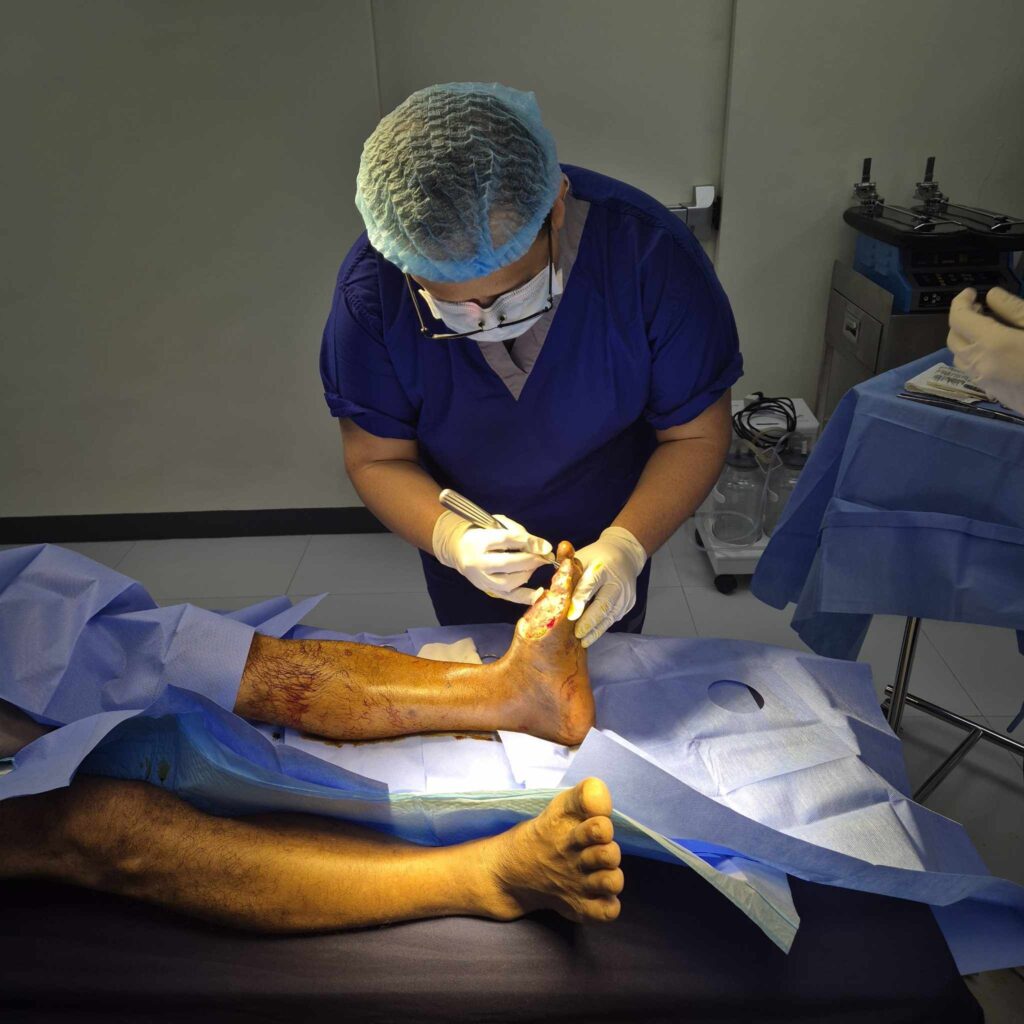
Proper wound care is essential to prevent complications, infections, and prolonged recovery. Wounds that do not heal properly can significantly impact a person’s quality of life, making timely and effective treatment critical. One of the most effective treatments for chronic or complicated wounds is wound debridement, a procedure designed to remove dead or damaged tissue and promote faster healing. Patients across the Philippines are increasingly turning to specialized clinics like Kalingap Wound Care Clinic in Quezon City for comprehensive and compassionate care. With advanced technology and a holistic approach, Kalingap offers the best options for wound management and recovery.
Wound debridement is a cornerstone of modern wound care in the Philippines. This procedure addresses the underlying issues that prevent wounds from healing, helping patients avoid infections, reduce pain, and achieve better long-term outcomes. Whether dealing with diabetic ulcers, venous insufficiency, pressure sores, or other chronic wounds, debridement is a critical step that medical professionals recommend for effective recovery.
What is Wound Debridement?
Wound debridement refers to the medical process of removing dead, damaged, or infected tissue from a wound to support natural healing. Dead tissue can slow down recovery, increase the risk of infection, and prevent new tissue from forming properly. Debridement helps expose healthy tissue, improves blood flow, and allows the body to repair itself more efficiently.
This procedure is particularly important for patients with chronic wounds, such as diabetic foot ulcers, venous ulcers, or pressure sores. Wound debridement not only accelerates healing but also prevents further complications like cellulitis, gangrene, or systemic infections. Patients who receive timely debridement have higher success rates in wound recovery and better overall outcomes.
Types of Wound Debridement Offered in the Philippines
Several methods of wound debridement are available to patients, depending on the type, size, and severity of the wound. Each method is designed to safely remove non-viable tissue while promoting healthy tissue regeneration.
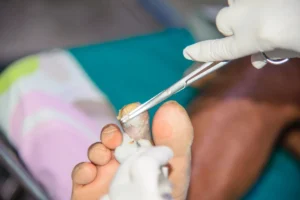
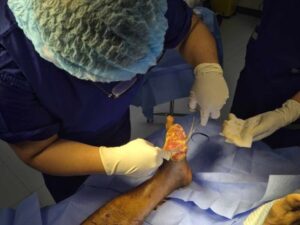
Surgical Debridement: Surgical debridement is performed by trained medical professionals who remove dead tissue using scalpels or other sterile instruments. This method is quick and highly effective, often recommended for large or infected wounds that require immediate attention. Surgical debridement is commonly used in hospitals and specialized clinics across the Philippines.
Mechanical Debridement: Mechanical debridement involves using gentle physical methods to remove dead tissue. This may include techniques like wet-to-dry dressings or irrigation with sterile solutions. Mechanical debridement is effective for cleaning wounds with minimal discomfort and is often used in combination with other treatment methods.
Enzymatic Debridement: Enzymatic debridement uses topical agents containing enzymes to dissolve necrotic tissue. This approach is particularly useful for patients who cannot undergo surgical procedures due to medical conditions. Enzymatic debridement is a safe and gradual method, making it suitable for sensitive patients or wounds with delicate surrounding tissue.
Autolytic Debridement: Autolytic debridement leverages the body’s natural healing mechanisms. Specialized dressings maintain a moist environment, allowing the body to break down dead tissue naturally. While slower than other methods, autolytic debridement is non-invasive, painless, and effective for many types of chronic wounds.
Ultrasonic and Advanced Debridement: Modern clinics in the Philippines, including Kalingap Wound Care Clinic, offer ultrasonic and advanced debridement techniques. Ultrasonic debridement uses high-frequency vibrations to remove necrotic tissue with minimal pain and disruption to healthy tissue. Advanced methods like negative pressure wound therapy often complement ultrasonic debridement, improving healing rates and reducing the risk of infection. These options reflect the latest standards in wound care technology available in the Philippines.
Why Wound Debridement is Critical
Effective wound debridement provides numerous benefits for patients with chronic or complicated wounds. Removing dead tissue reduces the risk of infection, prevents the wound from worsening, and accelerates the healing process. Chronic wounds that remain untreated or improperly managed can lead to serious health complications, prolonged hospital stays, and higher healthcare costs.
Wound debridement also improves the overall comfort and quality of life for patients. By promoting faster healing, patients experience less pain, reduced inflammation, and better mobility. For individuals with diabetes, immune deficiencies, or vascular issues, timely debridement is especially crucial for preventing severe complications like gangrene or amputation.
Healthcare professionals in the Philippines emphasize early intervention through wound debridement to prevent small wounds from becoming chronic, life-threatening conditions. Clinics that specialize in wound care, such as Kalingap Wound Care Clinic, are uniquely equipped to provide this care with expertise, advanced tools, and a patient-centered approach.
How Kalingap Wound Care Clinic Stands Out
Kalingap Wound Care Clinic in Quezon City provides some of the most advanced and compassionate wound care services in the Philippines. Patients choose Kalingap for its combination of expertise, technology, and community-focused care.
Expertise and Compassion: Kalingap employs skilled Filipino healthcare professionals trained in advanced wound management and debridement techniques. Staff members prioritize patient comfort, understanding that wound treatment is not just a medical procedure but a healing journey that requires support and care.
Advanced Technology: The clinic offers modern wound care technologies, including ultrasonic debridement and negative pressure wound therapy. These treatments remove dead tissue efficiently while minimizing discomfort, allowing for faster and safer healing. Advanced dressings and evidence-based practices ensure that patients receive the best possible outcomes.
Holistic Approach: Kalingap addresses both the wound and the patient’s overall health. Chronic wounds often result from underlying conditions such as diabetes, poor circulation, or immune system issues. By managing these factors alongside wound care, the clinic promotes long-term recovery and reduces the likelihood of recurrence.
Community Commitment: Many patients in Quezon City face financial or logistical barriers to healthcare. Kalingap Wound Care Clinic bridges these gaps through outreach programs, partnerships with local communities, and affordable treatment options. The clinic’s dedication to accessibility ensures that high-quality wound care is available to all patients, regardless of socioeconomic status.
What Patients Can Expect During Treatment
Patients undergoing Wound Debridement Philippines at Kalingap can expect a thorough assessment, personalized treatment plans, and continuous support throughout the healing process. The initial consultation includes evaluating the wound, identifying underlying health issues, and discussing the most suitable debridement method.
During treatment, clinicians carefully remove dead tissue while preserving healthy tissue. Pain management techniques and patient comfort measures are applied to minimize discomfort. After debridement, patients receive guidance on home care, preventive strategies, and follow-up visits to monitor healing progress. This approach ensures that every patient experiences a safe, effective, and reassuring recovery.
Takeaway
Wound debridement is a vital procedure for managing chronic and complicated wounds. Patients across the Philippines who undergo proper debridement experience faster healing, reduced risk of infection, and improved quality of life. Kalingap Wound Care Clinic in Quezon City stands out as a trusted provider of wound care, offering advanced techniques, compassionate care, and accessibility for all patients.
Choosing Kalingap means receiving professional wound management that addresses both the wound and the person behind it. With a focus on patient comfort, community support, and modern technology, Kalingap Wound Care Clinic ensures every patient has the best chance for successful healing. For individuals seeking effective and reliable wound debridement in the Philippines, Kalingap is a clinic patients can trust.
Frequently Asked Questions (FAQs)
Is wound debridement painful?
Pain levels vary depending on the type of debridement and the wound’s condition. Kalingap Wound Care Clinic uses pain management techniques and advanced methods like ultrasonic debridement to minimize discomfort.
How long does healing take after debridement?
Healing time depends on the patient’s overall health, wound type, and size. Chronic wounds may take weeks to months to fully heal, while acute wounds often heal faster with proper care.
Can chronic wounds heal completely?
Yes, with proper management, chronic wounds can heal completely. Wound debridement, combined with holistic care and treatment of underlying conditions, significantly improves recovery outcomes.
How much does wound debridement cost in the Philippines?
Costs vary depending on the wound’s complexity, the type of debridement, and additional therapies. Kalingap offers affordable care and provides guidance for patients to access community programs and financial support options.
Why choose Kalingap Wound Care Clinic for wound debridement?
Kalingap combines advanced technology, experienced healthcare professionals, and a holistic, patient-centered approach. Patients benefit from effective treatments, personalized care, and support throughout their healing journey.