





Understanding Wound Treatment Centers
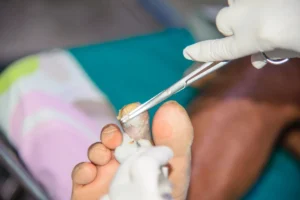
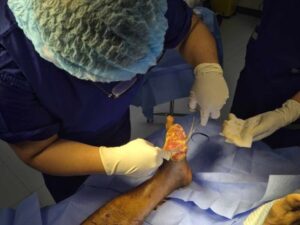
A wound treatment center is a specialized medical facility dedicated to the diagnosis, treatment, and management of various types of wounds. Unlike general clinics that provide standard care, these centers focus specifically on chronic, complex, or slow-healing wounds, ensuring patients receive expert attention. Wounds treated at these centers often include diabetic ulcers, pressure sores, venous ulcers, post-surgical wounds, and traumatic injuries. Each wound requires a tailored approach, as the underlying causes and patient conditions vary widely. The staff at wound treatment centers are trained to assess both the physical and medical factors influencing healing, from circulation issues to immune system concerns. Patients benefit from an environment equipped with advanced technology and techniques that standard clinics may not offer. Understanding the scope and expertise of these centers helps patients make informed choices for effective and timely wound care.
Importance of Specialized Wound Care
Specialized wound care is crucial because improper or delayed treatment can lead to severe complications, including infections, tissue damage, or even amputations in extreme cases. Chronic wounds, if not managed correctly, can significantly reduce quality of life and increase healthcare costs. Wound treatment centers emphasize early intervention and continuous monitoring to prevent these outcomes. Through regular assessments, advanced treatments, and personalized care plans, patients experience faster and safer healing. Proper wound care also addresses pain management, infection prevention, and overall physical wellness, which are often overlooked in general treatment. Patients who receive specialized care are more likely to maintain mobility and independence during recovery. The focus on comprehensive care ensures that each patient receives support tailored to their unique needs and medical conditions.
Advanced Treatments and Therapies Offered
Modern wound treatment centers employ a wide range of advanced treatments designed to promote faster and more effective healing. Techniques often include negative pressure wound therapy, which uses suction to remove excess fluids and encourage tissue growth. Hyperbaric oxygen therapy is another method that increases oxygen supply to the wound, enhancing the body’s natural healing process. Bioengineered skin substitutes can provide temporary or permanent coverage for large or complex wounds. Standard practices, such as debridement, infection control, and moisture management, are combined with these advanced therapies to maximize recovery outcomes. Pain management is a critical aspect of treatment, ensuring patients remain comfortable throughout the healing process. Centers also utilize specialized dressings, wound monitoring devices, and digital tools to track progress accurately. By integrating multiple therapies, wound treatment centers offer patients a comprehensive plan that addresses both symptoms and root causes.
Multidisciplinary Team Approach
One of the defining features of a wound treatment center is its multidisciplinary team. These teams often include physicians, nurses, physical therapists, nutritionists, and sometimes mental health professionals. Each professional contributes specialized knowledge to create a holistic care plan that addresses the patient’s physical, nutritional, and emotional needs. Collaboration among team members allows for regular updates on progress and immediate adjustments to treatment strategies. For example, a nutritionist can recommend dietary changes to enhance tissue repair, while a physical therapist can suggest exercises to improve circulation and mobility. The team approach ensures that no aspect of wound healing is overlooked, reducing the risk of complications and readmissions. Patients benefit from coordinated care that feels seamless and personalized, rather than fragmented and confusing. This method has proven effective in improving recovery times and overall patient satisfaction.
Patient Education and Self-Care Support
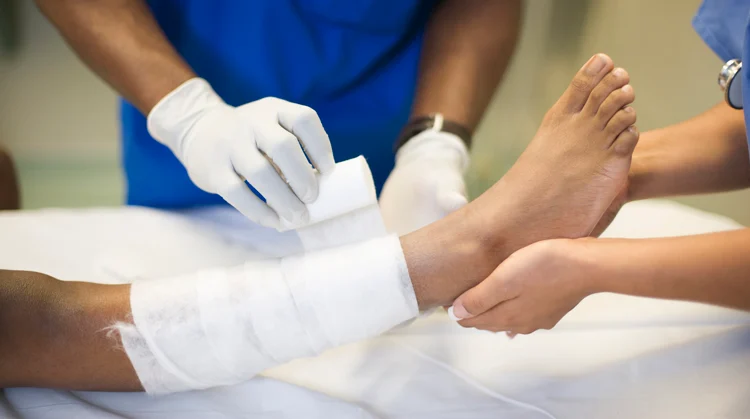
Wound treatment centers place significant emphasis on educating patients and caregivers about proper wound care practices. Teaching home care routines helps patients maintain healing progress and prevents complications. Education covers topics such as dressing changes, hygiene, monitoring for infection, and understanding warning signs of delayed healing. Nutrition and lifestyle adjustments, such as increased protein intake or quitting smoking, are also highlighted as critical factors in recovery. Centers provide written guidelines, video tutorials, and sometimes follow-up calls to ensure patients feel confident managing their wounds at home. Caregiver involvement is encouraged to support patients who may be limited in mobility or physical capability. Empowering patients with knowledge not only accelerates healing but also builds confidence and reduces anxiety about the treatment process.
Insurance, Accessibility, and Costs
Understanding insurance coverage and costs is essential when considering specialized wound care. Many wound treatment centers accept a variety of insurance plans, but coverage can vary depending on the therapy or technology used. Patients are encouraged to verify benefits, copayments, and preauthorization requirements before starting treatment. Accessibility is another critical factor, as proximity to the center can influence how often patients can attend appointments. Accredited centers adhere to strict quality and safety standards, ensuring consistent and reliable care. While advanced treatments may come at a higher cost, they often prevent longer-term expenses related to complications or extended hospital stays. Choosing a wound treatment center can be viewed as an investment in health, offering both immediate and long-term benefits. Clear communication about finances helps patients plan their treatment without unexpected stress or interruptions.
Innovations Shaping the Future of Wound Care
The field of wound care is constantly evolving, with new technologies and research driving better outcomes. Emerging therapies include regenerative medicine techniques, advanced biomaterials, and customized wound dressings designed for specific wound types. Artificial intelligence and telemedicine are increasingly used for remote monitoring, allowing clinicians to track healing progress and intervene early if problems arise. Infection control methods continue to improve, reducing the risk of complications and hospital readmissions. Sustainability in wound care, such as environmentally friendly dressings and reusable devices, is gaining attention in modern centers. These innovations not only enhance healing but also make treatments more efficient and patient-centered. Staying informed about these advancements allows patients and caregivers to make choices that reflect the latest standards of care.
Frequently Asked Questions (FAQ)
Q1: What types of wounds require a specialized treatment center?
A1: Chronic wounds, diabetic ulcers, pressure sores, post-surgical wounds, and traumatic injuries often require care at a specialized center to ensure proper healing and prevent complications.
Q2: How long does it usually take for wounds to heal at these centers?
A2: Healing time varies depending on the wound type, severity, and patient health, but specialized care often accelerates recovery compared to standard treatments.
Q3: Are wound treatment centers covered by insurance?
A3: Many centers accept insurance, but coverage depends on the specific plan and treatment. Patients should check with both their insurer and the center.
Q4: What makes a wound treatment center different from a regular clinic?
A4: These centers provide specialized care, advanced therapies, a multidisciplinary team, and continuous monitoring, which are often not available at general clinics.
Q5: Can patients manage wound care at home after visiting a center?
A5: Yes, centers emphasize patient education and self-care guidance to allow safe wound management at home, supported by follow-ups as needed.
Takeaway
Choosing a wound treatment center ensures access to specialized care, advanced therapies, and a multidisciplinary team dedicated to promoting optimal healing. With personalized treatment plans, patient education, and continuous monitoring, these centers offer solutions for complex wounds that general clinics may not provide. Embracing modern wound care practices not only speeds recovery but also enhances overall quality of life, reduces complications, and empowers patients to take an active role in their health journey. Investing in specialized care can make a significant difference in achieving effective, long-lasting healing.