









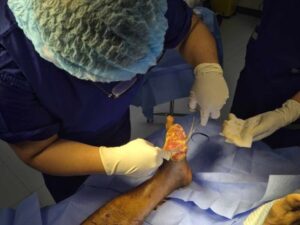

Living with chronic joint pain can be challenging, affecting not only physical well-being but also mental health and overall quality of life. Whether it’s arthritis, an injury, or another underlying condition, finding relief from chronic joint pain is crucial for restoring mobility and reclaiming daily activities. In this blog post, we’ll explore how orthopedic check-ups can play a vital role in managing chronic joint pain and finding much-needed relief.
Understanding Chronic Joint Pain:
Chronic joint pain refers to persistent discomfort in one or more joints that lasts for weeks, months, or even years. It can stem from various conditions such as osteoarthritis, rheumatoid arthritis, injuries, or overuse. Beyond the physical discomfort, chronic joint pain can impact mental health, leading to frustration, anxiety, and depression. Proper understanding of the underlying causes of chronic joint pain is essential for effective management.
The Role of Orthopedic Check-ups:
Orthopedic check-ups are instrumental in diagnosing and managing chronic joint pain. These specialized appointments involve comprehensive assessments by orthopedic specialists who are trained to evaluate joint health and function. During a check-up, orthopedic specialists review medical history, conduct physical examinations, and may order imaging tests like X-rays or MRIs to assess joint structure and integrity. These evaluations help identify underlying issues contributing to joint pain and guide personalized treatment plans.
Key Components of Orthopedic Check-ups:
Orthopedic check-ups typically encompass several key components. These may include a review of the patient’s medical history, discussion of symptoms and concerns, a thorough physical examination focusing on joint function and range of motion, and diagnostic tests such as X-rays or MRI scans to visualize joint structures in detail. In some cases, additional procedures like arthroscopy or joint aspiration may be necessary for a more accurate diagnosis.
Treatment Options for Chronic Joint Pain:
Treatment options for chronic joint pain vary depending on the underlying cause and severity of symptoms. Orthopedic specialists may recommend a combination of approaches, including medication to manage pain and inflammation, physical therapy to improve joint strength and flexibility, lifestyle modifications such as weight management and activity modification, and in some cases, surgical interventions to repair or replace damaged joints. The goal of treatment is to alleviate pain, improve joint function, and enhance overall quality of life.
Tips for Maximizing the Benefits of Orthopedic Check-ups:
To maximize the benefits of orthopedic check-ups, it’s essential to be proactive and engaged in the process. Before the appointment, organize medical records and prepare a list of questions or concerns to discuss with the orthopedic specialist. During the appointment, be open and honest about symptoms and their impact on daily life. Follow any recommended treatment plans diligently and attend regular follow-up appointments to monitor progress and adjust interventions as needed. Communication with healthcare providers is key to achieving optimal outcomes.
Takeaway
Chronic joint pain can significantly disrupt daily life, but with the help of orthopedic check-ups, relief is possible. By understanding the underlying causes of joint pain, seeking timely medical evaluation, and actively participating in treatment plans, individuals can regain mobility, reduce pain, and improve overall quality of life. If you’re experiencing chronic joint pain, don’t hesitate to schedule an orthopedic check-up and take the first step towards finding relief.