





Non-healing foot wounds are a common and serious complication of diabetes, significantly affecting patients’ quality of life. These wounds are often a result of peripheral neuropathy, which reduces the ability to feel pain, and poor blood circulation, making it difficult for injuries to heal. Understanding these conditions is crucial for effective management and treatment.
Understanding Non-Healing Foot Wounds in Diabetes
Non-healing foot wounds, also known as diabetic foot ulcers, are defined as injuries to the skin or deeper tissues that do not heal or improve within a reasonable time frame. These ulcers are typically found on the bottom of the feet and toes. The key factors contributing to their development include diabetic neuropathy, which affects sensation and can lead to unnoticed injuries, and reduced blood flow, which limits the delivery of oxygen and nutrients necessary for healing. Other risk factors include infections, poor glycemic control, and mechanical pressure from walking or ill-fitting shoes.
Diagnosis and Assessment
Early diagnosis is critical to prevent complications such as infection or amputation. Healthcare providers use a variety of diagnostic tools to assess the extent of foot wounds in diabetic patients. This includes a thorough physical examination to identify any signs of infection, depth of the wound, and potential underlying conditions. Imaging studies like X-rays or MRI scans may be used to assess bone involvement and rule out osteomyelitis, a common complication. The goal of these assessments is to determine the severity of the wound and identify any additional risk factors, allowing for a targeted treatment plan.
Orthopedic Treatment Options
Wound Care and Debridement
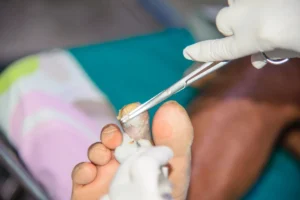
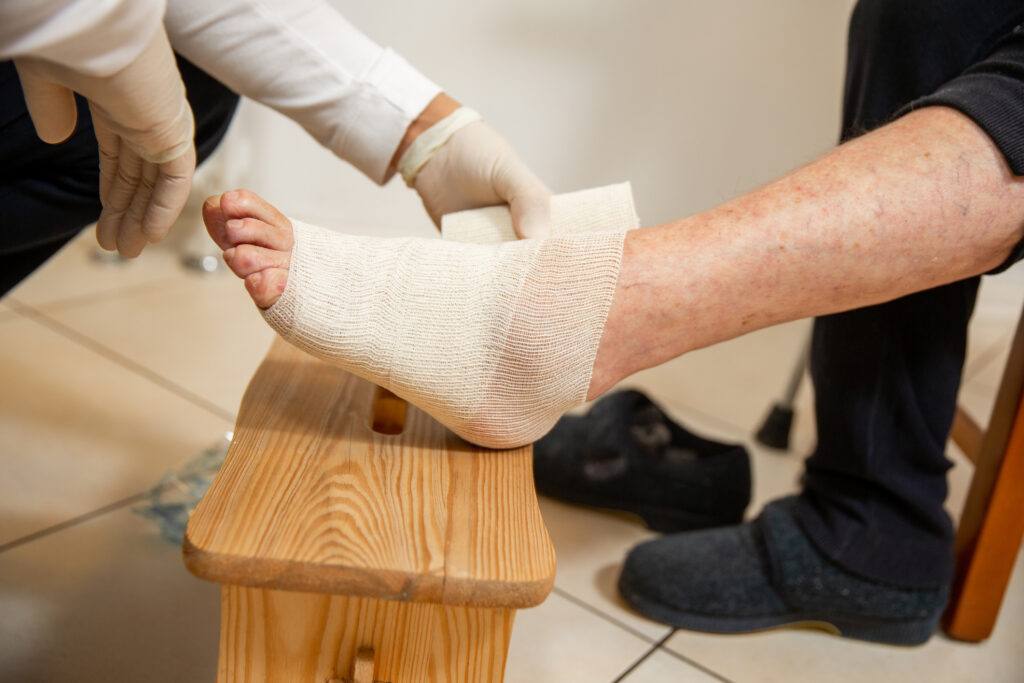
Effective wound care is fundamental in treating non-healing foot wounds. This includes cleaning, dressing, and protecting the wound from further injury. There are various types of debridement methods available, including sharp, enzymatic, autolytic, and mechanical debridement. Each method aims to remove dead tissue and promote new tissue growth. Sharp debridement, performed by a healthcare professional, is one of the most effective ways to clean the wound and remove non-viable tissue. Enzymatic debridement uses enzymes to dissolve dead tissue, while autolytic debridement allows the body’s natural enzymes to break down the tissue over time. Mechanical debridement, which involves the use of wet-to-dry bandages, is another option for wounds with significant debris.
Offloading Techniques
Redistributing pressure from the wound area is crucial to prevent further damage and facilitate healing. Various offloading techniques are used to minimize pressure on the foot. Total contact casts and removable cast walkers are effective methods for immobilizing the foot and controlling pressure. These devices are designed to take the weight off the wound, allowing it to heal more effectively. Custom orthotics also play a key role in offloading by redistributing pressure more evenly across the sole of the foot. They are often recommended for diabetic patients with chronic foot ulcers to prevent recurrence.
Footwear and Orthotics
Choosing the right footwear is essential for diabetic patients to manage foot wounds effectively. Proper footwear provides adequate cushioning, supports the foot’s arch, and minimizes friction and pressure. It should have soft, flexible soles that protect the foot from injury. Custom orthotics can further enhance support and pressure distribution, preventing new ulcers from forming. When selecting diabetic footwear, look for features such as padded insoles, wide toe boxes, and slip-resistant soles to reduce the risk of further damage. Good foot hygiene practices, combined with regular use of diabetic-specific footwear, are critical for effective wound management.
Monitoring and Follow-up Care
Regular monitoring and follow-up care are essential for tracking the progress of wound healing and preventing complications. Patients should visit their healthcare provider frequently to have their wounds assessed and dressed appropriately. Indicators of healing progress include a reduction in wound size, less drainage, and decreased pain. If the wound is not improving or shows signs of infection, such as increased redness, warmth, or swelling, it’s crucial to seek medical attention promptly. Advanced interventions, such as advanced dressings or even surgery, may be considered if the wound does not respond to conservative treatments.
Advanced Orthopedic Treatments
Biological and Regenerative Treatments
In some cases, biological and regenerative treatments may be considered to accelerate healing. This includes the use of growth factors, stem cells, or platelet-rich plasma (PRP). These treatments aim to enhance the body’s natural healing processes by promoting tissue regeneration and improving blood flow to the affected area. While promising, they may not be suitable for all patients and require a thorough evaluation. The decision to use such treatments depends on factors like the wound’s severity, the patient’s overall health, and response to other interventions.
Surgical Interventions
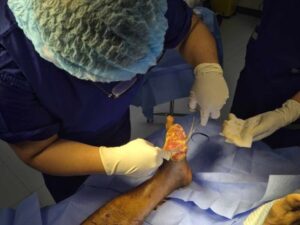
When conservative treatments are ineffective, surgical options may be considered. Procedures such as debridement, skin grafting, or even partial amputation might be necessary to remove infected tissue or improve blood flow. Surgical interventions are typically reserved for wounds that are not healing despite optimal non-surgical management. The decision to pursue surgery is based on the risk-benefit ratio, considering factors like the patient’s health status, wound severity, and likelihood of successful healing.
Advanced Dressings and Wound Care Technologies
Modern wound dressings and care technologies play a significant role in managing diabetic foot wounds. These include hydrocolloid dressings, alginates, and high-tech bandages designed to maintain a moist healing environment, reduce infection risk, and support faster healing. Advanced wound care technologies, such as negative pressure wound therapy, can also be used to accelerate healing in difficult-to-treat wounds. These innovations help maintain optimal moisture levels, remove excess fluid, and promote tissue repair.
Complications and Management
Non-healing foot wounds can lead to severe complications if not managed properly. Common complications include cellulitis, osteomyelitis, gangrene, and amputation. Preventing infection and ensuring optimal blood sugar control are key to reducing these risks. Managing infections promptly with antibiotics and providing multidisciplinary care involving orthopedic specialists, wound care nurses, and endocrinologists is essential for successful outcomes. Education on proper foot care practices and lifestyle modifications is also crucial to prevent future wounds and manage existing ones effectively.
Lifestyle Modifications and Preventive Measures
Preventing foot wounds in diabetic patients involves a combination of lifestyle changes and self-care practices. Patients should inspect their feet daily for signs of injury, such as redness, swelling, or blisters, and seek medical advice if any issues arise. Maintaining good glycemic control is critical as elevated blood sugar levels can impede wound healing. Regular exercise, proper nutrition, and wearing appropriate footwear are essential in reducing the risk of complications. Educating patients on foot care and encouraging adherence to regular monitoring routines are fundamental steps in prevention.
Frequently Asked Questions (FAQ)
- What are the main causes of non-healing foot wounds in diabetes?
- Non-healing foot wounds in diabetes are primarily caused by peripheral neuropathy, which reduces sensation in the feet, and poor blood circulation. These conditions make the feet more susceptible to injuries and slower to heal.
- How long does it take for a foot wound to heal with orthopedic treatment?
- The healing time for foot wounds can vary widely depending on the wound’s severity, the patient’s overall health, and adherence to treatment protocols. With appropriate orthopedic treatment, many wounds show significant improvement within 4-6 weeks, but some may take longer.
- Can non-healing wounds lead to more severe complications?
- Yes, if not managed properly, non-healing wounds can lead to severe complications such as infections, cellulitis, osteomyelitis, and even gangrene, which might require surgical intervention, including amputation.
- What role do custom orthotics play in wound healing?
- Custom orthotics are designed to redistribute pressure across the foot, reducing the risk of new ulcers forming. By stabilizing the foot and offloading pressure from the wound area, they provide an optimal environment for healing.
- How can I prevent foot wounds if I have diabetes?
- To prevent foot wounds, diabetic patients should inspect their feet daily for any signs of injury, keep blood sugar levels well-controlled, wear appropriate footwear, and practice good foot hygiene. Regular medical check-ups and follow-up care are also essential to monitor foot health.