







Forefoot ulcers are a common and often painful condition that can occur due to various underlying causes such as diabetic neuropathy, vascular disease, or pressure points. These ulcers, characterized by open sores or lesions on the bottom of the foot, require timely and effective treatment to prevent complications and promote healing. Understanding the causes, diagnostic approaches, and orthopedic treatment options available is crucial for managing forefoot ulcers and improving patients’ quality of life.
Understanding Forefoot Ulcers
Forefoot ulcers are typically found on the ball or bottom of the foot and can vary in size and depth. They are often the result of prolonged pressure on certain areas of the foot, which can lead to tissue breakdown. Individuals with diabetes are particularly susceptible to developing forefoot ulcers due to diabetic neuropathy, which reduces sensation in the feet and makes it harder for patients to feel discomfort or pain. Vascular issues, such as poor circulation, can also exacerbate ulcer formation. The symptoms of forefoot ulcers include redness, swelling, pain, and difficulty walking, all of which necessitate prompt medical attention to prevent infection and further damage to the affected area.
Diagnostic Approaches for Forefoot Ulcers
Diagnosing a forefoot ulcer begins with a thorough physical examination by a healthcare provider. The ulcer will be inspected for size, depth, and location to determine the appropriate treatment strategy. Diagnostic tests may include blood tests to assess infection or inflammation, imaging studies such as X-rays or MRI to evaluate the underlying structures of the foot, and vascular studies to check for blood flow issues. Healthcare providers like podiatrists, orthopedic specialists, and vascular surgeons play a critical role in diagnosing and managing these ulcers. Timely diagnosis is key to avoiding complications and starting the most effective treatment as early as possible.
Orthopedic Treatment Options
Pressure Relief: The cornerstone of orthopedic treatment for forefoot ulcers is pressure relief. This can be achieved through the use of offloading devices such as cushioned insoles, padding, and custom orthotics that redistribute pressure away from the ulcerated area. In some cases, patients may need to use walking aids like crutches or a walker to reduce weight-bearing on the affected foot. These measures are crucial in preventing the ulcer from worsening and allowing it to heal. By relieving pressure, these treatments provide the best chance for tissue regeneration and pain relief.
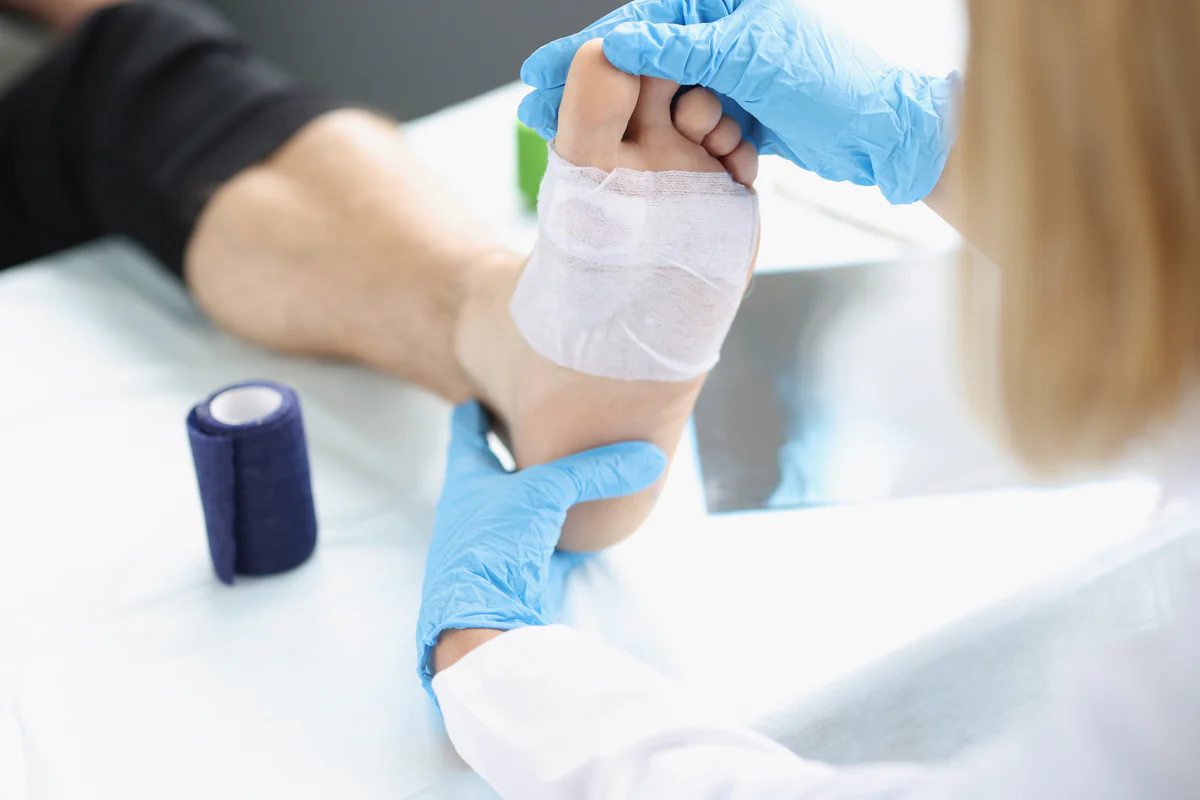
Wound Care Management: Proper wound care is essential for healing forefoot ulcers. This includes cleaning the ulcer daily, removing any debris, and applying antiseptic solutions to prevent infection. Hydrocolloid dressings are often used to maintain a moist environment, which supports natural wound healing. Antibiotics may be prescribed if there are signs of infection. Regular monitoring of the ulcer’s condition is necessary to ensure it is healing appropriately. Proper wound care not only speeds up recovery but also minimizes the risk of infection, which can complicate the healing process.
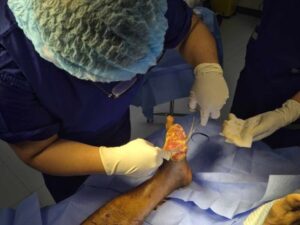
Surgical Interventions: In severe cases, surgical intervention may be required to treat forefoot ulcers. This could involve debridement, which removes damaged tissue and contaminants from the ulcer, or skin grafts and flap surgery to cover large or deep ulcers. Surgical options aim to eliminate sources of infection and promote healing by facilitating tissue regeneration. Post-surgical care is critical and may include immobilization with casts or splints, pain management, and rehabilitation exercises to restore function and mobility. While surgery is often a last resort, it can be effective in cases where conservative treatments are not sufficient.
Footwear Recommendations: Choosing the right footwear is a key aspect of managing forefoot ulcers. Patients should wear well-fitting shoes with custom orthotics to cushion the feet and distribute pressure evenly across the sole. Shoes should have a wide toe box to prevent rubbing against the ulcer and should be checked regularly for wear and tear. Foot hygiene is equally important; patients should wash their feet daily, keep them dry, and avoid walking barefoot to prevent injury. Regular foot care and visits to a healthcare provider can help monitor foot health and prevent future ulcers.
Managing Comorbidities: Effective management of underlying health conditions like diabetes, hypertension, and poor circulation is crucial in preventing forefoot ulcers. Blood sugar control is particularly important for diabetic patients to reduce the risk of neuropathy and ulcers. Medications may be prescribed to manage pain and inflammation, and regular monitoring of blood flow is recommended. Educating patients on the importance of a healthy lifestyle, including a balanced diet and regular exercise, can further support ulcer prevention and overall foot health.
FAQ
- How long does it take for a forefoot ulcer to heal with orthopedic treatment? The healing time varies depending on the severity of the ulcer, the underlying cause, and the treatment measures employed. With appropriate orthopedic treatment, most ulcers heal within a few weeks to months. However, consistent care and follow-up are necessary to monitor progress and adjust treatment as needed.
- Can forefoot ulcers recur even after treatment? Yes, forefoot ulcers can recur, especially if the underlying causes such as diabetes or poor circulation are not managed properly. Preventive measures like proper footwear, regular foot checks, and pressure relief are essential to minimize the risk of recurrence.
- Are there specific exercises to strengthen the foot and prevent ulcers? While there are no specific exercises to directly prevent ulcers, gentle stretching and strengthening exercises can improve foot flexibility and circulation. Patients should consult with a healthcare provider or physical therapist to develop an appropriate exercise plan tailored to their needs.
- What should I do if my ulcer does not respond to initial treatments? If an ulcer does not respond to initial treatment measures, such as pressure relief and wound care, it may be a sign of an underlying issue or an infection that needs more aggressive treatment. Seek medical attention promptly to reassess the situation and consider additional interventions, including surgical options.
- How can I manage foot hygiene to prevent ulcers? Maintaining proper foot hygiene is crucial in preventing forefoot ulcers. Wash your feet daily with mild soap and water, dry them thoroughly, especially between the toes, and avoid walking barefoot. Regularly check your feet for any signs of injury or changes in skin condition. If you have reduced sensation in your feet, ask a family member or caregiver to help with foot care.