








A wound that stays open, painful, swollen, or wet for several days can become more than a minor skin concern. Some wounds need careful medical assessment because diabetes, poor circulation, pressure, infection, weak immunity, or damaged tissue may slow recovery. A wound care specialist doctor can assess these concerns, identify barriers to healing, and recommend care based on the wound type and the patient’s overall health.
KALINGAP Wound Care Clinic provides compassionate, advanced wound care for patients across Quezon City. Its name comes from the Filipino words “Kalinga,” meaning care, and “Lingap,” meaning nurture. That name reflects a strong commitment to family support, respectful communication, ethical practice, and practical patient education.
Care goes beyond covering an open area with gauze. A wound care specialist doctor examines the wound, checks surrounding skin, reviews health conditions, and selects suitable treatment methods. Such support may be especially valuable for diabetic foot ulcers, pressure injuries, venous leg ulcers, surgical wounds, traumatic wounds, and sores that repeatedly reopen.
What Is a Wound Care Specialist Doctor?
A wound care specialist doctor focuses on wounds that are difficult to heal, medically complex, infected, deep, recurring, or linked with long-term health conditions. This doctor studies the wound’s size, depth, tissue quality, drainage, odour, pain level, and surrounding skin. Blood flow, nerve function, mobility, nutrition, medicines, and blood sugar control may also require review.
A wound care clinic commonly supports people whose wounds have not started healing after about two weeks or have not fully healed after about six weeks. Those time frames do not replace medical judgment, but they show why delayed healing deserves attention rather than repeated home treatment alone.
A wound care specialist doctor may work with nurses, surgeons, diabetes care providers, vascular specialists, rehabilitation professionals, or other clinicians. Team-based care may be needed when a wound has several causes. A leg ulcer, for example, may require wound dressings plus medical care for swelling or circulation. A diabetic foot ulcer may require pressure relief, blood sugar support, infection checks, and regular foot assessment.
Professional wound clinics may examine and measure wounds, review blood flow, identify possible causes of delayed recovery, and create treatment plans based on each patient’s condition.
Which Wounds May Need Specialist Care?
Minor cuts often improve with proper cleaning, protection, and observation. Yet some wounds need prompt medical attention because their cause or severity raises the chance of complications. A wound care specialist doctor may assess several wound types.
Diabetic Foot Ulcers
Diabetes may damage nerves and reduce blood flow. Nerve damage can reduce feeling, so a blister, cut, or sore may go unnoticed. Reduced circulation may also make tissue repair harder and raise infection risk. CDC guidance recommends daily foot checks for cuts, redness, swelling, sores, blisters, corns, and calluses.
Any foot wound affecting a person with diabetes deserves serious attention. A wound care specialist doctor can assess tissue condition, pressure points, infection risk, footwear concerns, and possible circulation problems. Early care may help protect healthy tissue and reduce the chance of a small sore becoming a larger ulcer.
Patients with diabetes should not rely on pain alone as a warning sign. Reduced sensation may hide tissue damage, while poor blood flow may make infection harder to control. Regular foot checks and early medical care may lower the risk of serious complications.
Pressure Injuries
Pressure injuries can develop when one body area stays pressed against a bed, chair, footwear, brace, or other surface for too long. Heels, ankles, hips, elbows, and the lower back are common sites. Limited mobility, poor nutrition, moisture, and reduced sensation may increase risk.
A wound care specialist doctor may recommend pressure relief, repositioning, protective surfaces, suitable dressings, and caregiver education. Treatment should address both the wound and the repeated pressure that caused it.
Pressure sores are among the common wound types treated at specialist wound centres. Limited movement, weak immunity, nerve damage, and poor nutrition may contribute to delayed healing.
Venous Leg Ulcers
Venous ulcers often affect the lower leg and may be linked with poor blood return through leg veins. Swelling, skin colour changes, itching, thickened skin, and repeated open sores may occur. Blood pooling across lower-leg veins can lead to skin changes and open ulcers.
A wound care specialist doctor may review swelling, drainage, skin condition, and circulation. Compression may help selected patients, but it should follow a proper assessment because not every leg wound has the same cause.
Some people with venous insufficiency experience leg heaviness, aching, swelling, brown skin changes, irritation, cracking, or weeping skin. Medical assessment can help separate venous ulcers from wounds caused by arterial disease, trauma, infection, or another condition.
Arterial Wounds
Arterial wounds may develop when poor blood supply limits oxygen delivery to tissue. Such wounds can affect toes, feet, ankles, or other areas. Pain, cool skin, pale colour, dark tissue, or weak pulses may require urgent assessment.
A wound care specialist doctor can identify warning signs and arrange added vascular evaluation when needed. Dressing care alone cannot correct a major blood-flow problem, so the cause must receive attention.
Poor circulation caused by damaged arteries or veins is one recognised reason wounds may fail to heal properly. Wound clinic assessment may include a review of blood flow around the affected area.
Surgical and Traumatic Wounds
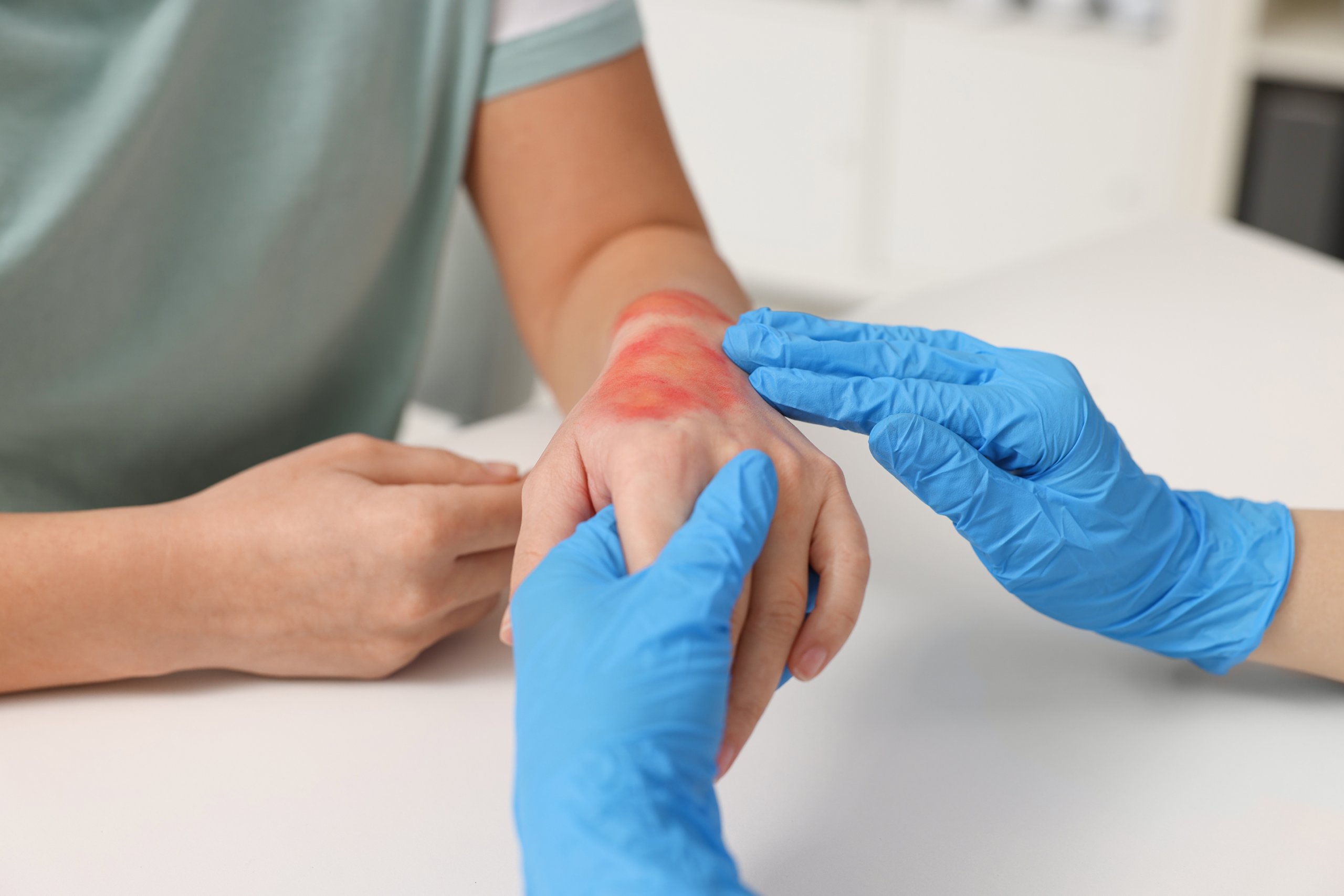
Surgical wounds may reopen, drain heavily, show infection signs, or heal slowly. Traumatic wounds may result from cuts, punctures, burns, falls, crush injuries, or road accidents.
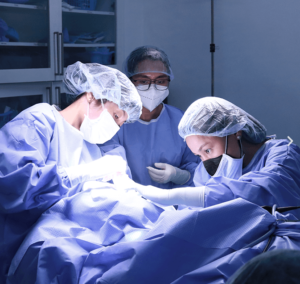
A wound care specialist doctor may assess surgical wounds that remain open, produce unusual drainage, become painful, or show surrounding skin changes. Treatment may include cleaning, dressing changes, debridement, infection management, or referral for surgical review.
Deep wounds, uncontrolled bleeding, exposed tissue, major burns, or serious contamination may require urgent hospital care rather than a routine clinic visit. Sudden severe pain, major trauma, deep wounds, and large wounds are recognised medical emergency warning signs.
KALINGAP can assess suitable non-emergency cases and guide patients toward higher-level care whenever the wound exceeds outpatient treatment needs.
Signs That Call for a Wound Care Specialist Doctor
Patients should not wait for severe damage before seeking help. A wound care specialist doctor should assess a wound when one or more warning signs appear:
- Little or no healing progress
- Spreading redness
- Greater warmth or swelling
- New or worsening pain
- Pus, foul odour, or heavier drainage
- Dark, grey, purple, or black tissue
- Repeated opening after closure
- Fever or chills
- Numbness near the wound
- A diabetic foot blister, cut, or sore
- Red streaks moving away from the wound
- Skin breakdown caused by prolonged pressure
Possible wound infection signs include spreading redness, greater heat, swelling, new pain, and increased fluid leakage. Pus, wound opening, fever, or feeling generally unwell also need medical attention.
A wound care specialist doctor may recommend urgent emergency care when infection appears severe, bleeding cannot be controlled, tissue becomes black, pain becomes sudden or extreme, or the patient develops weakness, confusion, breathing trouble, or faintness.
People with diabetes, weak immunity, poor circulation, or serious long-term illness should seek medical advice sooner. A small wound may become serious when the body cannot sense damage, fight infection, or deliver enough blood to the affected tissue.
Why Some Wounds Heal Slowly
Wound healing depends on blood supply, oxygen, nutrition, immune response, pressure control, moisture balance, and protection from repeated injury. Several health concerns may interrupt that process.
Diabetes can affect nerves and blood vessels. Poor blood sugar control may also make infection harder to manage. Venous disease may cause swelling and fluid pressure across lower legs. Arterial disease may reduce oxygen delivery. Weak immunity may limit the body’s defence against germs. Poor nutrition may reduce the building materials needed for tissue repair.
Repeated friction can also keep a wound open. Tight shoes, walking pressure, bed pressure, scratching, or improper bandaging may damage new tissue. Certain products placed on a wound without medical advice may irritate tissue or delay recovery.
Medical causes connected with non-healing wounds may include diabetes, poor circulation, nerve damage, bone infection, limited mobility, weak immunity, poor nutrition, smoking, or a foreign object left inside the wound.
A wound care specialist doctor looks for these barriers rather than focusing only on the visible sore. This broader medical review helps create a care plan suited to the wound’s cause, current condition, and healing risks.
What Happens During a Wound Care Consultation?
A first visit usually starts with questions about how the wound began, how long it has been present, what treatments have been tried, and whether symptoms have changed. The wound care specialist doctor may also ask about diabetes, circulation problems, surgery, medicines, allergies, mobility, smoking, nutrition, fever, and previous wounds.
Next comes wound assessment. The clinician may measure length, width, and depth; review tissue type; note drainage; check odour; examine surrounding skin; assess pain; and look for infection. Foot wounds may require checks for sensation, pressure areas, footwear fit, and circulation.
Photos or measurements may help track progress over time. Follow-up frequency depends on wound severity, dressing type, health conditions, treatment response, and home support.
Professional wound clinics commonly measure wounds, assess nearby blood flow, determine possible causes of delayed healing, and create a treatment plan.
After assessment, the wound care specialist doctor explains the recommended plan. Patients should understand dressing instructions, activity limits, warning signs, follow-up timing, pressure relief steps, and medicine directions. Family or caregivers may join education sessions when the patient needs help with daily wound care.
Treatments a Wound Care Specialist Doctor May Recommend
No single treatment works for every wound. Treatment selection depends on wound type, tissue condition, infection risk, drainage, blood supply, pain, and overall health.
A wound care specialist doctor may recommend one treatment or a combination of approaches. Care may change as the wound becomes cleaner, produces less drainage, develops healthier tissue, or shows signs of delayed progress.
Professional Wound Cleaning
Proper cleaning removes surface debris, old drainage, and contaminants while protecting healthy tissue. Medical guidance may differ from common household practice.
Certain open surgical wounds should not receive alcohol, peroxide, iodine, antibacterial soap, lotion, cream, or herbal remedies unless a healthcare provider approves them. Such products may damage tissue or slow recovery.
Patients should follow instructions from their wound care specialist doctor rather than applying strong antiseptics, powders, oils, or herbal mixtures without approval.
Debridement
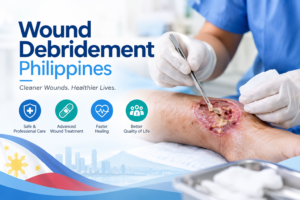
Debridement means removing dead, damaged, or unhealthy tissue. Such tissue may block proper assessment, hold bacteria, or interfere with healing. Methods vary and may include sharp, mechanical, enzymatic, autolytic, or ultrasonic approaches.
Medical wound centres may use several debridement methods based on wound size, depth, tissue condition, pain, and other clinical factors.
KALINGAP offers ultrasonic debridement for suitable wounds. This method uses controlled ultrasonic energy to help remove unhealthy tissue. A wound care specialist doctor decides whether this option fits the wound, since circulation, pain, bleeding risk, tissue type, and other medical factors affect treatment choice.
Ultrasonic debridement should only follow proper clinical assessment. Patients should receive clear information about the procedure, expected sensations, dressing needs, and follow-up care.
Negative Pressure Wound Therapy
Negative pressure wound therapy uses a special dressing connected to controlled suction. The system may help manage fluid and support wound-bed care for selected complex wounds.
Clinical reference material describes negative pressure wound therapy as a wound care system that applies controlled subatmospheric pressure through specialised dressings. Proper wound preparation, dressing placement, sealing, and patient selection are necessary.
KALINGAP offers negative pressure wound therapy for suitable patients. A wound care specialist doctor must assess whether the wound meets clinical requirements. This therapy does not suit every wound, and expected results differ according to the cause, severity, blood supply, infection status, and patient health.
Patients receiving negative pressure wound therapy need instructions about the device, dressing seal, drainage container, movement, warning signs, and follow-up visits.
Advanced Dressings
Modern dressings may manage drainage, protect tissue, control moisture, reduce friction, or support a cleaner wound environment. Options may include foam, alginate, hydrofiber, hydrogel, antimicrobial, absorbent, or protective dressings.
Dressing choice should come from assessment rather than guesswork. A wound that produces heavy drainage needs different support from a dry wound. Surrounding skin also needs protection because excess moisture may soften healthy tissue.
Wound centres may use gels, foams, gauze, films, or several dressing types as the wound changes.
A wound care specialist doctor may change the dressing plan when drainage, tissue colour, wound depth, odour, pain, or surrounding skin condition changes.
Infection Management
A wound care specialist doctor checks for redness, heat, swelling, pain, pus, odour, fever, and tissue changes. Treatment may include cleaning, debridement, antimicrobial dressings, laboratory testing, prescribed medicine, or referral for hospital care.
Antibiotics are not automatically needed for every open wound. Clinical assessment helps determine whether bacterial infection is present and which treatment is appropriate.
A clinician may collect a wound sample when testing could help identify bacteria and guide antibiotic choice. Mild infection may sometimes receive medicated dressings, while other cases may require oral medicine or urgent hospital care.
Pressure Relief and Offloading
Foot ulcers and pressure injuries often require pressure reduction. Care may involve footwear changes, padding, casts, mobility aids, repositioning schedules, mattresses, cushions, or reduced weight placed on the affected area.
A dressing cannot work well when constant pressure keeps damaging the same tissue. A wound care specialist doctor helps patients and caregivers understand how pressure control supports the treatment plan.
Patients should follow activity instructions carefully. Walking on a diabetic foot ulcer or leaving one body area under pressure for long periods may damage fragile tissue and slow progress.
Why Choose KALINGAP Wound Care Clinic?
KALINGAP Wound Care Clinic aims to become a trusted referral centre for wound care across Quezon City. Its care model combines advanced technology, evidence-based practice, ethical decision-making, patient education, and strong Filipino values.
Compassionate Filipino Care
“Kalinga” and “Lingap” express care and nurture. KALINGAP applies those values through respectful communication, family participation, emotional support, and practical guidance.
Patients facing long treatment periods may feel worried, tired, or discouraged. Clear explanations and compassionate support can make each appointment easier to manage.
A wound care specialist doctor should help patients understand what is happening, why a treatment has been recommended, what warning signs require attention, and what daily steps may support recovery.
Advanced Clinical Options
KALINGAP provides services such as ultrasonic debridement and negative pressure wound therapy. These options are selected after assessment rather than offered as automatic solutions.
A wound care specialist doctor considers wound cause, severity, tissue quality, blood supply, infection risk, drainage, pain, and patient comfort before recommending treatment.
Advanced technology works best when supported by proper assessment, regular monitoring, suitable dressings, patient education, and care for health conditions linked with delayed healing.
Attention to Underlying Health Concerns
Chronic wounds may be connected with diabetes, venous insufficiency, weak immunity, poor circulation, pressure, or limited mobility. KALINGAP looks beyond the wound surface and considers medical concerns that may delay recovery.
A wound care specialist doctor may recommend added support from another healthcare professional when diabetes, vascular disease, infection, mobility problems, or nutrition concerns require separate treatment.
Such coordination helps address the wound and possible causes rather than repeatedly changing dressings without examining the wider medical picture.
Patient and Family Education
Education covers dressing care, foot checks, warning signs, pressure relief, hygiene, follow-up visits, and prevention. Family members may receive guidance when they help with daily care.
Patients should know how to protect the dressing, when to report drainage changes, how to avoid pressure, and which products should stay away from the wound.
Clear education may also reduce fear. Patients who understand each step can take a more active role during clinic treatment and home care.
Community Commitment
Financial barriers may cause patients to delay care. KALINGAP seeks to bridge access gaps through outreach work, community partnerships, and practical affordability approaches.
Such commitment reflects its goal of serving Quezon City families through ethical and compassionate wound care. Patients can ask the clinic about available services, treatment plans, follow-up needs, and possible payment considerations before care begins.
Supporting Wound Recovery at Home
Home care should follow the plan given by the wound care specialist doctor. Patients should keep dressings clean and protected, change them according to instructions, wash hands before and after wound care, avoid touching the wound unnecessarily, and attend follow-up visits.
Used dressings should not be reused. Patients should prepare a clean work surface and follow the exact cleaning and dressing method provided by their healthcare team.
People with diabetes should check both feet every day. A mirror or family member may help check soles and hard-to-see areas. Shoes should fit properly, and walking barefoot should be avoided. CDC foot-care advice supports daily checks and properly fitted footwear for people with diabetes.
Patients should also report greater pain, spreading redness, fever, foul odour, colour changes, pus, or heavier drainage. Home remedies should not replace professional assessment for a deep, infected, diabetic, or slow-healing wound.
Healthy meals, enough protein, proper hydration, medicine compliance, blood sugar care, safe movement, and pressure reduction may support recovery. Yet no food, supplement, dressing, or home product can guarantee healing.
A wound care specialist doctor may provide a written care plan so patients and caregivers can follow the same steps each day. Any sudden wound change should be reported rather than left until the next appointment.
When Emergency Care Is Necessary
Some wounds require emergency medical services or hospital assessment. Seek urgent help for heavy bleeding that does not stop, a deep or large wound, severe burns, exposed bone or tendon, animal or human bites, major contamination, sudden severe pain, rapidly spreading redness, black tissue, high fever, confusion, fainting, or signs of severe allergic reaction.
Deep wounds, large wounds, burns, sudden serious injuries, and severe pain may qualify as medical emergencies.
Patients with diabetes, poor circulation, weak immunity, or serious chronic illness may need faster assessment even when a wound looks small. A wound care specialist doctor can support many complex wounds, but emergencies should go directly to the proper hospital service.
Request a Wound Assessment at KALINGAP
A slow-healing wound should not become part of daily life. Early assessment can identify infection, pressure, circulation concerns, dead tissue, or health conditions that may block recovery.
KALINGAP Wound Care Clinic offers compassionate wound assessment, modern treatment options, patient education, and family-focused support across Quezon City. A wound care specialist doctor can review the wound, explain suitable care choices, and help create a clear plan based on the patient’s needs.
Request an appointment with a wound care specialist doctor at KALINGAP Wound Care Clinic for professional assessment of a diabetic foot ulcer, pressure injury, venous ulcer, surgical wound, traumatic wound, or another slow-healing sore.
Frequently Asked Questions About a Wound Care Specialist Doctor
What does a wound care specialist doctor treat?
A wound care specialist doctor may treat diabetic foot ulcers, pressure injuries, venous leg ulcers, arterial wounds, surgical wounds, traumatic wounds, infected sores, and wounds that heal slowly or repeatedly reopen.
When should I seek specialist wound care?
Seek assessment when a wound shows little progress, becomes more painful, develops redness or swelling, releases pus, smells unpleasant, turns dark, or affects a person with diabetes or poor circulation.
Can a wound care specialist doctor treat diabetic foot ulcers?
Yes. Care may include wound assessment, cleaning, debridement, dressings, infection management, pressure relief, foot-care education, and referral for circulation or diabetes support when needed.
What happens during the first appointment?
The clinician reviews medical history, examines the wound, checks surrounding skin, measures the affected area, looks for infection, and discusses a treatment plan. Additional tests or referrals may be recommended.
What is ultrasonic debridement?
Ultrasonic debridement uses controlled ultrasonic energy to help remove unhealthy tissue from selected wounds. Suitability depends on wound type, blood supply, pain, bleeding risk, and overall health.
Is ultrasonic debridement painful?
Comfort levels vary according to wound depth, tissue condition, sensitivity, and treatment area. The wound care specialist doctor should explain expected sensations and available comfort measures before treatment.
What is negative pressure wound therapy?
Negative pressure wound therapy uses a sealed dressing and controlled suction to manage fluid and support wound-bed care. A wound care specialist doctor decides whether the therapy suits a particular wound.
How often are wound care visits needed?
Visit frequency depends on wound severity, dressing type, treatment method, infection risk, medical conditions, and healing progress. The care team provides a follow-up schedule after assessment.
Can an infected wound receive clinic treatment?
Some infected wounds can receive outpatient care, while severe infection may require hospital treatment. Fever, rapidly spreading redness, severe pain, black tissue, weakness, or confusion needs urgent medical attention.
Should I place alcohol or hydrogen peroxide on a wound?
Do not apply alcohol, peroxide, iodine, cream, or herbal products unless your healthcare provider approves them. Some products may damage tissue and delay recovery.
Where can I find a wound care specialist doctor near Quezon City?
KALINGAP Wound Care Clinic serves patients seeking compassionate and advanced wound care across Quezon City. Patients may request an assessment for chronic, diabetic, surgical, traumatic, or slow-healing wounds.
Medical note: This article provides general education only. It does not replace diagnosis, emergency care, or treatment advice from a qualified healthcare professional.