
Non-healing wounds are those that fail to close and heal in a timely manner. They can be caused by a variety of factors such as poor circulation, diabetes, or trauma. Non-healing wounds are particularly concerning for orthopedic patients, as they often develop after surgery or in conditions that affect bone, joint, and soft tissue recovery. Orthopedic treatment for non-healing wounds is essential in addressing these wounds effectively, especially since poor healing can lead to complications like infection, chronic pain, or even limb loss.
In orthopedic care, specialized approaches are required to promote healing and ensure the recovery process is as efficient as possible. Understanding the causes and treatments of non-healing wounds can make a significant difference in patient outcomes.
Understanding Non-Healing Wounds in Orthopedic Patients
How Non-Healing Wounds Develop in Orthopedic Patients
Orthopedic patients are particularly vulnerable to non-healing wounds, especially after surgeries such as fractures or joint replacements. These patients often face prolonged healing due to factors like reduced blood flow or pre-existing conditions such as diabetes or osteoarthritis. In cases where the wound doesn’t heal as expected, orthopedic treatment for non-healing wounds becomes vital to address these concerns.
Trauma to bones and joints, combined with chronic medical conditions, can disrupt the body’s ability to regenerate tissue efficiently, leading to delayed or non-healing wounds. Orthopedic specialists are trained to handle these complications and can provide solutions that encourage healing and reduce the risk of further damage.
Signs That Your Wound May Not Be Healing Properly
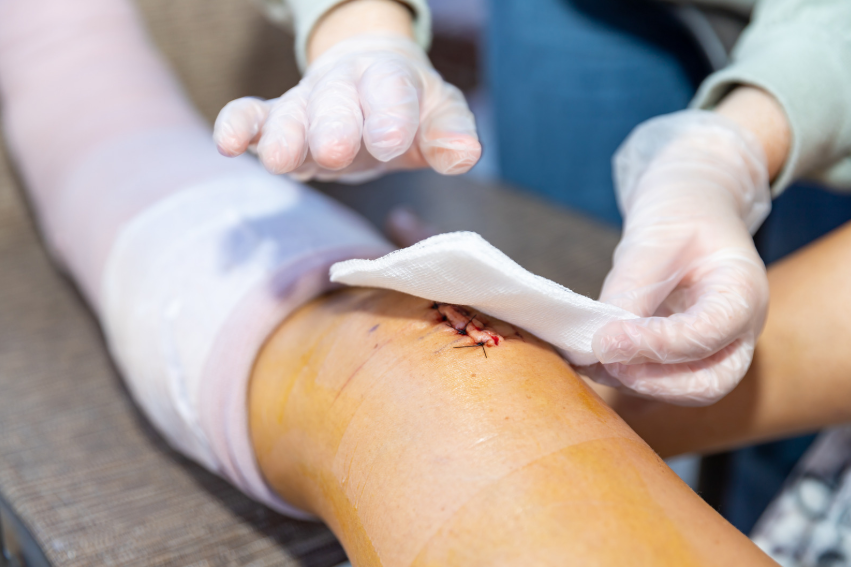
If a wound shows signs of prolonged swelling, redness, or tenderness, it may indicate that it is not healing as it should. Orthopedic treatment for non-healing wounds focuses on addressing these symptoms early on, preventing infections and further complications. If left untreated, these wounds can become chronic and affect both physical health and mobility. It is crucial to consult an orthopedic professional if you notice any of these signs.
The Role of Orthopedic Treatment in Wound Healing
How Orthopedic Specialists Help in Wound Recovery
Orthopedic specialists play a critical role in the recovery of non-healing wounds. From providing wound care expertise to recommending suitable treatments, orthopedic treatment for non-healing wounds addresses the unique needs of patients recovering from bone, joint, or soft tissue injuries. The specialists can assess the severity of the wound, determine its cause, and guide patients toward the most effective treatment methods.
Orthopedic professionals also monitor the progress of wound healing closely, ensuring that complications such as infections or improper tissue regeneration are avoided. This expertise is essential for the success of treatment, especially in cases where standard methods are insufficient.
Orthopedic Approaches to Promote Healing
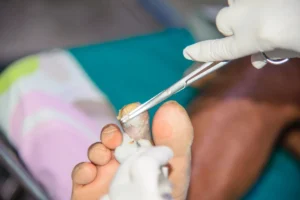
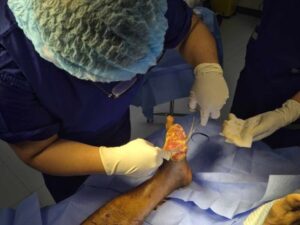
Several treatment options are available through orthopedic treatment for non-healing wounds. Surgical methods such as wound debridement or skin grafts are often used to remove damaged tissue and promote faster healing. Additionally, advanced wound care technologies like negative pressure wound therapy (NPWT) and hyperbaric oxygen therapy (HBOT) are employed to speed up the healing process and reduce infection risks.
These approaches are tailored to each patient’s condition and the severity of their wound, allowing orthopedic specialists to offer customized treatment that aligns with individual recovery goals.
Preventing Wound Complications Post-Orthopedic Surgery
For patients undergoing orthopedic surgeries, the risk of developing non-healing wounds can be reduced with proper post-surgical care. Orthopedic treatment for non-healing wounds includes not only managing current wounds but also preventing future complications. Proper monitoring of surgical sites and regular check-ups can ensure that any issues are addressed early, minimizing the chance of wounds becoming chronic.
Advanced Orthopedic Treatments for Non-Healing Wounds
Stem Cell Therapy in Wound Healing
Stem cell therapy has emerged as a groundbreaking treatment for non-healing wounds. By harnessing the body’s regenerative capabilities, orthopedic treatment for non-healing wounds using stem cells helps stimulate tissue growth and accelerate healing. Stem cells can promote the formation of new blood vessels, reduce inflammation, and repair damaged tissues, making them a powerful tool for wound recovery.
Recent studies have shown promising results for stem cell therapy in orthopedic patients, particularly those with chronic conditions that impair healing. This method is quickly becoming a popular option for patients looking to expedite recovery and restore their quality of life.
Platelet-Rich Plasma (PRP) Therapy
Platelet-Rich Plasma (PRP) therapy is another advanced orthopedic treatment that has proven to be effective in healing non-healing wounds. PRP is derived from the patient’s own blood, concentrated to enhance healing properties. When applied to a wound, PRP stimulates the body’s natural healing process, encouraging tissue repair and regeneration.
Incorporating orthopedic treatment for non-healing wounds with PRP therapy has shown positive results in accelerating recovery, especially for wounds that have not responded to traditional methods. The therapy is a safe and effective way to boost healing without the need for invasive surgery.
Biologic Dressings and Grafts
Biologic dressings and grafts are innovative solutions in orthopedic treatment for non-healing wounds. These dressings are made from biological materials, such as human or animal tissue, and are designed to mimic the skin’s natural structure. They can enhance tissue regeneration and provide a scaffold for new cells to grow, leading to quicker and more efficient healing.
For patients with chronic orthopedic wounds, biologic dressings offer a natural solution that can be more effective than synthetic dressings, reducing the risk of infection and encouraging faster wound closure.
Lifestyle Changes and Self-Care for Faster Recovery
Nutritional Support for Healing
Proper nutrition is a vital part of the recovery process for non-healing wounds. Ensuring adequate intake of proteins, vitamins, and minerals, such as vitamin C and zinc, can significantly improve the body’s ability to heal. Orthopedic treatment for non-healing wounds often includes advice on diet and supplementation to support the wound healing process.
Patients can further optimize their recovery by consuming anti-inflammatory foods, which can aid in reducing swelling and promoting tissue repair. A balanced diet tailored to wound recovery helps ensure that the body has the nutrients it needs to rebuild and heal effectively.
Physical Therapy’s Role in Wound Healing
Physical therapy plays an integral role in the healing of orthopedic wounds. It promotes circulation, helps maintain mobility, and supports overall recovery. Orthopedic treatment for non-healing wounds often incorporates physical therapy techniques to enhance blood flow to the wounded area, improving oxygenation and nutrient delivery, which are crucial for healing.
By using specific exercises and modalities, physical therapy can also reduce pain and improve the function of the affected area, ensuring that patients return to normal activity sooner.
When to Seek Further Medical Intervention
Recognizing Serious Signs of Infection
Infection is one of the most significant risks when dealing with non-healing wounds. Orthopedic treatment for non-healing wounds emphasizes the importance of recognizing early signs of infection, such as increased redness, warmth, or discharge from the wound. If these symptoms occur, it’s crucial to seek immediate medical attention to prevent the spread of infection and further complications.
Surgical vs. Non-Surgical Treatment
In some cases, non-healing wounds may require more invasive surgical intervention. Orthopedic treatment for non-healing wounds assesses whether a wound is responsive to conservative therapies or whether surgical procedures like skin grafting or wound debridement are necessary. An orthopedic specialist will make this determination based on the severity of the wound and the overall health of the patient.
Takeaway
Orthopedic treatment for non-healing wounds provides a multifaceted approach to recovery, including advanced therapies like stem cell treatment, PRP therapy, biologic dressings, and physical therapy. These treatments not only address the immediate needs of the wound but also ensure long-term healing and recovery.
By addressing non-healing wounds with the right orthopedic care, patients can significantly improve their chances of full recovery. Following through with prescribed treatments, making lifestyle changes, and seeking early intervention when necessary can prevent complications and facilitate a smoother recovery journey.