






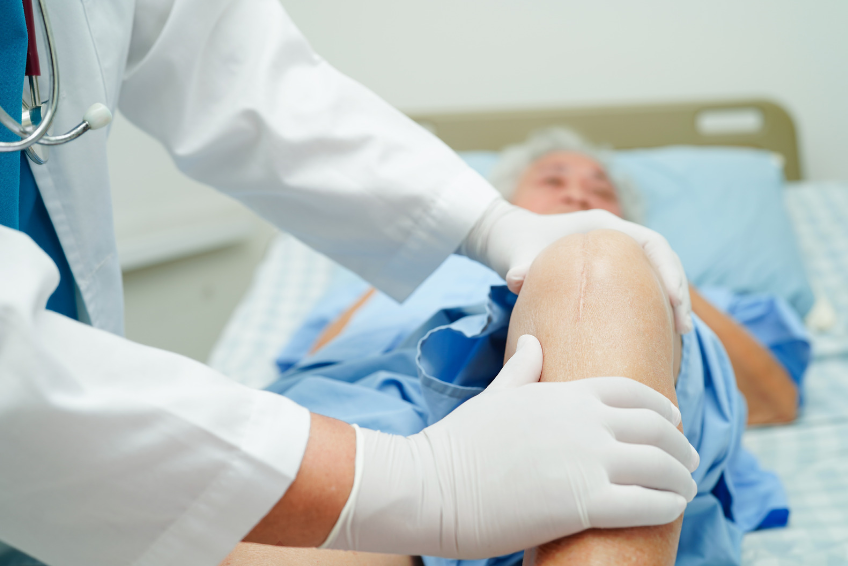
Labral tears in the hip can be debilitating, affecting daily movement and quality of life. This condition impacts the hip joint’s stability and can lead to persistent pain and limited mobility. A hip surgery doctor is essential in diagnosing, treating, and guiding patients through the recovery process. This article covers the journey from diagnosis to recovery, outlining the key steps a hip surgery doctor follows to help patients regain their comfort and mobility.
Understanding Hip Labral Tears
What is a Labral Tear in the Hip?
A hip labral tear occurs when the ring of cartilage (labrum) surrounding the hip joint is damaged. This cartilage stabilizes the hip joint and allows for smooth movement. When a tear occurs, individuals often experience sharp pain, stiffness, and a decreased range of motion, making it difficult to perform daily activities. Consulting a hip surgery doctor early can make a significant difference in managing symptoms effectively and preventing further complications.
Causes of Labral Tears
Labral tears in the hip can arise from various causes, including traumatic injuries, structural abnormalities, and even wear and tear over time. Certain sports or activities that involve repetitive twisting motions can increase the risk of labral tears. A hip surgery doctor assesses these risk factors, taking into account lifestyle and physical activity, to determine the likely cause and tailor a treatment plan that aligns with the patient’s needs and goals.
Diagnosis – The First Step to Recovery
Initial Consultation with a Hip Surgery Doctor
When visiting a hip surgery doctor, the initial consultation is crucial. During this appointment, patients discuss their symptoms, medical history, and any relevant lifestyle factors. The hip surgery doctor uses this information to form a preliminary understanding of the condition, helping to plan the next steps in diagnosis. This step often helps to clarify whether the pain is indeed due to a labral tear or another hip issue.
Imaging and Diagnostic Tools
To accurately diagnose a labral tear, a hip surgery doctor typically relies on imaging tools like MRI, CT scans, or X-rays. These diagnostic tools allow the hip surgery doctor to assess the extent of the tear and confirm its presence. Each type of imaging provides unique insights that guide the doctor in forming an effective treatment plan. MRI scans, in particular, are highly effective in visualizing soft tissue injuries, making them essential in confirming a labral tear.
Treatment Options for Hip Labral Tears
Non-Surgical Treatments
A hip surgery doctor may initially recommend non-surgical treatments to address a labral tear, especially if the tear is not severe. These options often include physical therapy, medications, and lifestyle modifications aimed at reducing inflammation and improving hip strength. By working closely with a hip surgery doctor, patients can try conservative methods to manage their pain and increase mobility before considering surgical options.
Surgical Options
Arthroscopic Hip Surgery for Labral Tears
For more serious tears, arthroscopic hip surgery is a common approach. This minimally invasive procedure, performed by a skilled hip surgery doctor, involves small incisions and specialized tools to either repair or remove the torn tissue. Arthroscopy allows for faster recovery times and less pain compared to traditional surgery, making it a preferred option for many patients with labral tears.
Open Hip Surgery
In some cases, open hip surgery may be necessary. This option is less common and is generally reserved for complex tears or when previous treatments have not provided relief. A hip surgery doctor carefully evaluates each patient’s case to determine if open surgery is needed, weighing factors like the severity of the tear and the patient’s overall health. While open surgery involves a longer recovery, it can provide significant benefits for certain patients.
The Road to Recovery Post-Surgery
Immediate Post-Surgery Care
After undergoing surgery, a hip surgery doctor will provide guidelines for immediate post-operative care. This includes pain management strategies, rest, and specific movements to avoid during the initial recovery phase. Following these instructions helps minimize complications and sets the foundation for a successful recovery journey.
Physical Therapy and Rehabilitation
Rehabilitation is crucial in restoring strength and mobility following a labral tear surgery. A hip surgery doctor typically coordinates with physical therapists to design a customized recovery program. This program may start with gentle stretches and progress to exercises that build strength around the hip joint. By adhering to this rehabilitation plan, patients can steadily regain their mobility and confidence.
Expected Timeline for Recovery
The recovery timeline varies depending on the individual and the type of surgery performed. Generally, patients undergoing arthroscopic surgery experience a quicker recovery than those who require open surgery. A hip surgery doctor will provide guidance on expected recovery milestones, emphasizing the importance of following post-operative care and physical therapy for the best outcomes. Factors such as age, general health, and adherence to rehab exercises all influence the pace of recovery.
Preventing Future Hip Injuries
Strengthening Exercises for Hip Health
A hip surgery doctor often recommends specific exercises to help prevent future injuries. Strengthening exercises that target the muscles around the hip joint contribute to joint stability and reduce the risk of re-injury. Patients can incorporate these exercises into their daily routine to maintain hip health and support long-term mobility.
Lifestyle Adjustments for Long-Term Hip Health
Maintaining a healthy lifestyle is essential in preserving hip function and preventing injuries. A hip surgery doctor may advise on maintaining a healthy weight, modifying activities that strain the hip, and adopting ergonomic practices for daily tasks. Regular check-ups with a hip surgery doctor can also help in monitoring hip health and addressing any concerns early on, fostering long-term joint well-being.
Takeaway
The journey from diagnosis to recovery for a labral tear in the hip is a process that benefits greatly from specialized care. With the guidance of a hip surgery doctor, patients can navigate each stage—from the initial diagnosis to choosing the right treatment and ultimately reaching a full recovery. Consulting a hip surgery doctor can make all the difference in restoring mobility, managing pain, and preventing future injuries.