








Why Glaucoma Deserves Serious Attention in Bicol
Glaucoma is a chronic eye condition that slowly damages the optic nerve, often without early warning signs. This gradual damage can lead to permanent vision loss if not detected and managed early. In many cases, people only notice the effects when their peripheral vision begins to fade, which signals that the disease has already progressed. For residents in Bicol, this silent nature makes glaucoma particularly dangerous. Many individuals may not prioritize eye health due to busy lifestyles or lack of awareness. As a result, glaucoma screening and diagnosis in Bicol becomes essential for protecting long-term vision.
The region’s healthcare landscape presents both opportunities and challenges. While urban centers may offer access to eye specialists, rural areas may still face limitations. This imbalance makes awareness and preventive care even more important. Glaucoma does not discriminate, affecting individuals across different age groups and lifestyles. Understanding its impact encourages people to take action before symptoms appear. Families and communities play a vital role in spreading awareness and encouraging regular check-ups. Prioritizing eye health can significantly reduce the risk of avoidable blindness in the region.
The Value of Early Glaucoma Screening and Diagnosis in Bicol
Detecting glaucoma early can make a life-changing difference. Once vision is lost due to glaucoma, it cannot be restored, which makes early screening the most effective defense. Through routine eye examinations, doctors can identify subtle signs of optic nerve damage and elevated eye pressure. In Bicol, where awareness about eye diseases continues to grow, early detection plays a crucial role in preserving independence and quality of life. Many people delay screenings because they assume their vision is fine, but glaucoma often develops without noticeable symptoms.
Regular screening allows healthcare providers to intervene before the disease progresses. Early treatment options are often less invasive and more effective in slowing the condition. This proactive approach reduces the likelihood of severe complications that may require costly procedures. It also helps individuals maintain their daily routines without disruption. Community-wide participation in screening programs can significantly lower the incidence of advanced glaucoma cases. Promoting glaucoma screening and diagnosis in Bicol ensures that more people benefit from early intervention. It also strengthens the overall health system by reducing preventable vision loss.
Different Forms of Glaucoma and Their Impact on Vision
Glaucoma includes several types, each with unique characteristics and progression patterns. The most common form is open-angle glaucoma, which develops slowly and often goes unnoticed. Angle-closure glaucoma, on the other hand, can occur suddenly and requires immediate medical attention. Normal-tension glaucoma presents a unique challenge because optic nerve damage occurs even without elevated eye pressure. Secondary glaucoma may result from underlying conditions such as inflammation or injury. Congenital glaucoma affects infants and requires early medical intervention.
Each type affects vision differently and requires a tailored approach to diagnosis and management. Recognizing these distinctions helps patients understand the importance of comprehensive eye exams. Symptoms can vary widely, and in many cases, there are none until the disease is advanced. This unpredictability highlights the importance of regular screenings. Accurate identification of the type of glaucoma allows for more effective treatment planning. For residents, understanding these variations supports better awareness of glaucoma screening and diagnosis in Bicol. It also encourages individuals to seek timely medical advice when needed.
Key Risk Factors Linked to Glaucoma in Bicol
Several factors increase the likelihood of developing glaucoma, and awareness of these risks is essential for prevention. Age is one of the most significant contributors, especially for individuals over 40. Family history also plays a critical role, as genetics can influence susceptibility. Chronic conditions such as diabetes and hypertension, which are prevalent in Bicol, can further increase risk. Long-term use of steroid medications is another factor that may affect eye health. Eye injuries or surgeries can also contribute to the development of glaucoma.
Lifestyle choices can influence risk levels as well. Smoking and poor diet may negatively impact overall eye health. Individuals who do not undergo regular eye exams are more likely to have undiagnosed glaucoma. In many cases, people are unaware of their risk until symptoms appear. Identifying these factors helps prioritize who should undergo frequent screening. Promoting awareness of risk factors supports better glaucoma screening and diagnosis in Bicol. It empowers individuals to take preventive measures and seek care when necessary.
Early Warning Signs That Should Not Be Ignored
Glaucoma often develops without noticeable symptoms, which makes early detection challenging. One of the earliest signs is the gradual loss of side vision, which may not be immediately obvious. As the condition progresses, individuals may experience blurred vision or difficulty seeing in low-light environments. Some people notice halos around lights, especially at night. In acute cases, symptoms such as severe eye pain, headache, and nausea may occur suddenly. These symptoms require urgent medical attention.
Many individuals may dismiss these signs as minor or temporary issues. This delay can lead to more serious complications over time. Regular eye exams are the most reliable way to detect glaucoma before symptoms develop. Being attentive to changes in vision can also prompt earlier consultation. Awareness of these warning signs is a key component of glaucoma screening and diagnosis in Bicol. Encouraging people to act quickly when symptoms arise can prevent irreversible damage. Early recognition leads to better outcomes and improved quality of life.
Modern Screening Techniques Used in Bicol
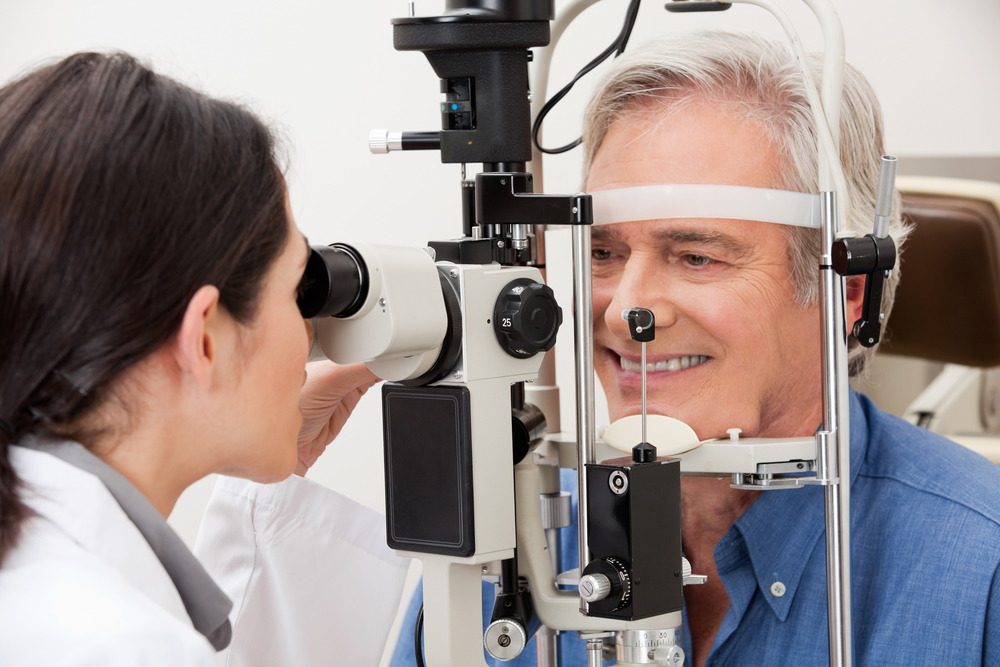
Eye care professionals use a combination of tests to diagnose glaucoma accurately. Tonometry measures the pressure inside the eye and is commonly used in screenings. Ophthalmoscopy allows doctors to examine the optic nerve for signs of damage. Visual field testing evaluates peripheral vision and detects early vision loss. Gonioscopy examines the drainage angle of the eye, which is important for identifying specific types of glaucoma. Optical coherence tomography provides detailed imaging of eye structures.
Pachymetry measures corneal thickness, which can affect eye pressure readings. These tests work together to provide a comprehensive understanding of eye health. In Bicol, access to these technologies may vary depending on the location. However, many clinics offer essential screening services that can detect glaucoma effectively. Understanding these techniques helps patients feel more confident during their appointments. It also emphasizes the importance of thorough testing in achieving accurate results. Reliable glaucoma screening and diagnosis in Bicol depends on the availability of these methods.
What Happens During a Glaucoma Screening Visit
A glaucoma screening visit typically begins with a discussion about the patient’s medical history. The doctor may ask about vision changes, family history, and existing health conditions. Initial tests often include checking visual acuity and measuring eye pressure. Additional examinations may involve imaging and visual field assessments. Most procedures are quick and painless, making them suitable for all age groups.
Patients may receive eye drops to dilate the pupils for a more detailed examination. The entire process usually takes less than an hour. After the tests, the doctor explains the findings and recommends next steps. Follow-up visits may be necessary to monitor changes over time. Knowing what to expect can reduce anxiety and encourage more people to get screened. This is especially important in promoting glaucoma screening and diagnosis in Bicol. A positive experience can motivate individuals to prioritize regular eye care.
Access to Eye Care Services Across Bicol
Access to glaucoma screening services varies across the region. Urban areas generally have more clinics and advanced diagnostic equipment. Rural communities may rely on basic screening services or periodic outreach programs. Government initiatives and mobile clinics play an important role in reaching underserved populations. These efforts help ensure that more people have access to essential eye care.
Despite these initiatives, challenges remain in achieving equal access. Transportation and cost can be barriers for some residents. Increasing awareness about available services can help improve participation. Collaboration between healthcare providers and local organizations is essential. Expanding access to glaucoma screening and diagnosis in Bicol requires ongoing effort and investment. Improving accessibility can lead to earlier detection and better health outcomes. It also supports a more inclusive healthcare system.
Barriers Affecting Early Glaucoma Detection
Several obstacles can delay glaucoma detection in Bicol. Limited awareness is one of the main challenges, as many people do not understand the importance of regular eye exams. Financial constraints can also prevent individuals from seeking care. Geographic barriers make it difficult for residents in remote areas to access specialists. Some clinics may lack advanced diagnostic equipment, limiting early detection.
Misconceptions about eye health further contribute to delayed diagnosis. Many people believe that vision problems are a normal part of aging. This belief can lead to neglect of serious conditions like glaucoma. Addressing these barriers requires a combination of education and improved healthcare services. Community engagement can help spread awareness and encourage early screening. Strengthening glaucoma screening and diagnosis in Bicol involves overcoming these challenges. Progress in this area can significantly reduce preventable vision loss.
Innovations Supporting Better Glaucoma Diagnosis
Advancements in technology are improving the way glaucoma is detected and managed. Modern imaging tools provide detailed views of the optic nerve, allowing for earlier diagnosis. Telemedicine has expanded access to eye care, especially in remote areas. Digital platforms enable patients to consult specialists without traveling long distances. These innovations are gradually becoming more available in Bicol.
Artificial intelligence is also being explored to enhance diagnostic accuracy. It can analyze eye images and identify early signs of glaucoma. As more clinics adopt these technologies, patients benefit from improved care. Training healthcare professionals to use these tools is equally important. Continued innovation supports better glaucoma screening and diagnosis in Bicol. These advancements help bridge gaps in healthcare access. They also promote a more proactive approach to eye health.
Preventive Habits That Help Protect Vision
Preventing glaucoma involves consistent care and healthy lifestyle choices. Regular eye exams are essential for early detection. Managing chronic conditions such as diabetes and hypertension can reduce risk. Protecting the eyes from injury is also important. Maintaining a balanced diet and staying physically active support overall eye health.
- Schedule regular eye exams even without symptoms
- Monitor blood pressure and blood sugar levels
- Avoid prolonged use of steroid medications without supervision
- Wear protective eyewear during physical activities
- Stay informed about family history of eye conditions
- Maintain a healthy lifestyle with proper nutrition
- Seek medical attention for any changes in vision
Adopting these habits can significantly reduce the risk of glaucoma. In Bicol, promoting preventive care is essential for improving public health. Education campaigns can encourage individuals to take proactive steps. Preventive strategies are a key part of glaucoma screening and diagnosis in Bicol. Empowering individuals with knowledge leads to better decisions. Consistent care supports long-term vision health.
Understanding the Cost of Screening and Diagnosis
The cost of glaucoma screening varies depending on the type of tests and healthcare provider. Basic screenings are generally affordable, while advanced tests may cost more. Public healthcare facilities often provide subsidized services. Private clinics may offer comprehensive packages at higher prices. Insurance coverage can help reduce out-of-pocket expenses.
For many residents, affordability is a major consideration. Government programs and community initiatives can help lower costs. Early detection is more cost-effective than treating advanced glaucoma. Investing in regular screenings can prevent expensive treatments later. Understanding the cost structure helps individuals plan their healthcare. Promoting affordable glaucoma screening and diagnosis in Bicol is essential. Financial accessibility plays a key role in improving participation.
Why Consistent Screening Matters for Long-Term Eye Health
Consistent screening is essential because glaucoma often develops without symptoms. Waiting for signs to appear can result in irreversible damage. Routine eye exams allow for early detection and timely intervention. For residents in Bicol, prioritizing eye health can improve quality of life. Screening is important for both high-risk individuals and those without symptoms.
Regular check-ups help monitor changes in eye health over time. They also allow for adjustments in treatment when necessary. Encouraging preventive care benefits entire communities. When more people participate in screening programs, the overall burden of glaucoma decreases. Promoting glaucoma screening and diagnosis in Bicol supports healthier populations. Regular screening is a simple yet powerful tool. Making it a habit can protect vision for years to come.
FAQ
How often should I get screened for glaucoma?
Most individuals should have an eye exam every one to two years, especially after the age of 40.
Is glaucoma screening safe?
Yes, all screening procedures are safe and non-invasive.
Can glaucoma be prevented?
While it cannot always be prevented, early detection and management can slow its progression.
Are screenings available in rural areas of Bicol?
Some areas have access through outreach programs and mobile clinics.
Do I need screening if my vision seems fine?
Yes, glaucoma often develops without noticeable symptoms.
What happens if glaucoma is detected?
Doctors will recommend treatment options to manage the condition and prevent further damage.
Is glaucoma hereditary?
Yes, family history can increase the risk of developing glaucoma.
Takeaway
Glaucoma screening and diagnosis in Bicol is essential for preserving vision and preventing avoidable blindness. Early detection remains the most effective way to manage this silent condition. With increased awareness, improved access to care, and consistent preventive habits, individuals can protect their eye health. Communities that prioritize regular screening can reduce the long-term impact of glaucoma. Taking action today can lead to a future with clearer and healthier vision.