









Diabetes can affect the body in many ways, especially when it comes to healing wounds. Even small cuts, blisters, or sores may become serious health concerns when left untreated. Proper diabetic wound treatment plays a major role in preventing infections, reducing complications, and helping patients recover safely. Timely medical attention is essential because wounds related to diabetes often heal slower due to poor circulation and nerve damage.
Kalingap Wound Care Clinic provides professional diabetic wound treatment designed to support healing while improving patient comfort and long-term foot health. Our team focuses on patient-centered wound care solutions that address both the wound itself and the underlying factors affecting recovery.
Understanding Diabetic Wounds
Diabetic wounds commonly develop because diabetes affects circulation, nerve function, and the body’s ability to repair damaged tissue. Patients may not immediately notice injuries due to reduced sensation in the feet and lower legs. This delayed detection can allow wounds to worsen over time.
High blood sugar levels may also weaken the immune system, making infections more difficult to control. Without proper diabetic wound treatment, even minor wounds can progress into severe ulcers or deep tissue infections.
Common diabetic wounds include diabetic foot ulcers, pressure sores, open skin lesions, and infected wounds. These wounds may appear as red, swollen, or draining areas that fail to heal normally. Patients living with diabetes should monitor their feet and skin regularly to identify potential problems early.
Why Early Diabetic Wound Treatment Matters
Early diabetic wound treatment can significantly reduce the risk of severe complications. Delayed care often increases the chances of infection, tissue damage, and long-term mobility issues. Seeking professional treatment at the first sign of a wound may prevent the condition from becoming more serious.
One major benefit of diabetic wound treatment is infection prevention. Bacteria can easily enter open wounds, especially when blood circulation is poor. Professional wound care helps keep wounds clean and protected while supporting tissue repair.
Another important advantage is improved comfort and mobility. Painful wounds may affect a patient’s ability to walk, work, or perform daily activities. Proper wound management supports recovery while helping patients regain confidence and independence.
Patients who receive timely diabetic wound treatment are also less likely to experience hospitalizations or surgical complications. Early intervention remains one of the best ways to protect overall health and avoid more advanced procedures.
Signs That You Need Diabetic Wound Treatment
Many diabetic patients may ignore small wounds because they appear harmless at first. Unfortunately, diabetic wounds can worsen rapidly without proper care. Recognizing the warning signs early can make a major difference in recovery.
Slow-healing wounds are one of the most common signs that diabetic wound treatment is needed. If a cut or sore does not improve after several days, professional evaluation is highly recommended.
Other warning signs include redness, swelling, warmth, drainage, foul odor, and persistent pain. Darkened skin or tissue discoloration may also indicate serious circulation problems or infection.
Patients should seek diabetic wound treatment immediately if they develop fever, spreading redness, severe swelling, or worsening pain around the wound. These symptoms may suggest infection that requires urgent medical care.
Regular foot inspections are highly important for diabetic patients, especially those with nerve damage or reduced sensation. Daily monitoring can help identify wounds before complications develop.
How Diabetic Wound Treatment Works
Professional diabetic wound treatment involves several steps designed to support healing while preventing complications. Each patient receives an individualized care plan based on the severity of the wound and overall health condition.
Comprehensive Wound Assessment
The first step of diabetic wound treatment involves a complete evaluation of the wound. Medical professionals examine the wound size, depth, tissue condition, and signs of infection. Circulation and nerve function are also assessed to understand factors affecting recovery.
Patient history, diabetes management, and lifestyle habits may also be reviewed. This detailed assessment allows the wound care team to create a treatment plan suited to the patient’s specific needs.
Wound Cleaning and Debridement
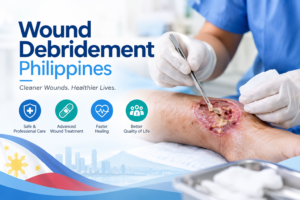
Cleaning the wound is essential for reducing bacteria and promoting healthy tissue growth. Dead or infected tissue may be removed through a procedure called debridement. This process supports healing by allowing healthy tissue to develop properly.
Debridement may also reduce pressure and inflammation surrounding the wound. Professional diabetic wound treatment ensures this procedure is performed safely and carefully to protect surrounding tissue.
Advanced Dressings and Infection Management
Modern wound dressings help maintain a balanced healing environment while protecting the wound from contamination. Different dressings may be used depending on moisture levels, drainage, and tissue condition.
Infection control is another important part of diabetic wound treatment. Wounds are monitored closely for signs of bacterial growth or complications. Antibiotics or specialized treatments may be recommended when necessary.
Continuous monitoring helps reduce the risk of worsening infection while supporting safer recovery for diabetic patients.
Pressure Relief and Offloading Techniques
Pressure relief is often necessary for diabetic foot ulcers and wounds located on weight-bearing areas. Offloading techniques reduce stress on the wound to help tissue recover more effectively.
Specialized footwear, protective padding, or assistive devices may be recommended during diabetic wound treatment. Reducing pressure helps prevent additional damage and supports faster healing.
Ongoing Monitoring and Follow-Up Care
Recovery does not end after initial treatment. Regular follow-up appointments are important for tracking healing progress and adjusting treatment plans if needed.
Ongoing diabetic wound treatment allows healthcare providers to identify concerns early while ensuring wounds continue improving properly. Patients also receive guidance on home wound care and preventive strategies.
Benefits of Professional Diabetic Wound Treatment
Professional diabetic wound treatment offers several advantages compared to home care alone. Medical supervision provides safer, more effective healing support for diabetic patients.
One major benefit is reduced healing time. Professional wound care methods help improve tissue recovery while lowering the chances of infection or delayed healing.
Another advantage is personalized care. Every wound is different, and treatment plans are adjusted according to the patient’s condition, circulation, and overall health.
Patients also benefit from education and prevention guidance. Learning proper wound care habits can reduce the likelihood of future ulcers and infections.
Professional diabetic wound treatment may also improve comfort and mobility. Healing wounds properly allows patients to return to daily activities with greater confidence and reduced discomfort.
Why Patients Choose Kalingap Wound Care Clinic for Diabetic Wound Treatment
Many patients trust Kalingap Wound Care Clinic because of our commitment to compassionate and professional wound care services. Our clinic focuses on helping patients receive safe, effective, and accessible diabetic wound treatment.
Experienced Wound Care Team
Our healthcare professionals have experience managing diabetic wounds and chronic ulcers using updated wound care techniques. Each patient receives individualized attention focused on recovery and long-term health.
Quality and Affordable Care
Kalingap Wound Care Clinic believes patients should have access to quality diabetic wound treatment without unnecessary financial burden. Our clinic works to provide cost-effective care while maintaining high standards of treatment and patient safety.
Modern Wound Care Support
Our clinic uses current wound care practices designed to support proper healing and infection management. Patients receive continuous monitoring, wound evaluation, and education throughout the recovery process.
Accessible and Supportive Environment
Patients benefit from a convenient clinic location and a welcoming care environment. Our team prioritizes patient comfort while providing professional diabetic wound treatment services that focus on long-term recovery.
Tips to Prevent Diabetic Wounds
Preventing wounds remains one of the best ways to protect diabetic patients from complications. Healthy daily habits can greatly reduce the chances of developing ulcers and infections.
Daily Foot and Skin Care
Patients should inspect their feet every day for cuts, blisters, swelling, or skin changes. Feet should be kept clean and dry to reduce bacterial growth.
Moisturizing dry skin may help prevent cracking, but lotion should not be applied between the toes because excess moisture can encourage infection.
Walking barefoot should also be avoided to reduce the risk of injury.
Blood Sugar Management
Maintaining stable blood sugar levels is essential for proper healing and circulation. Poor glucose control can slow tissue repair and increase infection risk.
Patients should follow prescribed medications, dietary recommendations, and regular medical checkups to support overall diabetic health.
Proper Footwear Selection
Supportive shoes help reduce pressure and friction on the feet. Ill-fitting footwear may cause blisters or skin breakdown that can develop into serious wounds.
Patients should choose comfortable footwear with adequate cushioning and support.
Routine Medical Checkups
Regular foot evaluations help detect early signs of diabetic complications before wounds become severe. Professional monitoring remains an important part of diabetic wound prevention.
Long-Term Care After Diabetic Wound Treatment
Long-term care plays a major role after diabetic wound treatment. Patients should continue practicing proper foot care even after wounds have healed completely.
Daily inspections, healthy lifestyle habits, and regular follow-up appointments can help reduce future wound risks. Patients who previously experienced diabetic wounds may remain more vulnerable to recurring ulcers.
Healthy eating, blood sugar management, proper hydration, and safe physical activity may also support circulation and tissue health. Smoking should be avoided because it can reduce blood flow and delay healing.
Ongoing diabetic wound treatment support may include periodic evaluations to monitor skin health and detect early warning signs before complications develop again.
Takeaway
Diabetic wounds should never be ignored because delayed treatment may lead to serious complications. Proper diabetic wound treatment supports healing, lowers infection risks, and helps patients maintain better mobility and comfort.
Early care remains one of the most effective ways to prevent severe tissue damage and long-term health concerns. Patients experiencing slow-healing wounds, swelling, redness, or signs of infection should seek professional care immediately.
Kalingap Wound Care Clinic provides trusted diabetic wound treatment focused on patient safety, proper healing, and long-term foot health. Our team is committed to helping diabetic patients receive quality wound care and personalized recovery support.
Frequently Asked Questions
What is diabetic wound treatment?
Diabetic wound treatment refers to professional care designed to manage wounds caused or affected by diabetes. Treatment may include wound cleaning, infection control, dressings, debridement, and patient education.
Why do diabetic wounds heal slowly?
Diabetic wounds often heal slowly because diabetes can affect blood circulation, nerve function, and the immune system. High blood sugar levels may also reduce the body’s healing ability.
What are diabetic foot ulcers?
Diabetic foot ulcers are open sores or wounds that commonly develop on the feet of diabetic patients. Poor circulation and nerve damage increase the risk of these ulcers.
Can diabetic wounds become dangerous?
Yes. Without proper diabetic wound treatment, wounds may become infected and lead to severe complications involving deeper tissue and bone.
How can diabetic wounds be prevented?
Daily foot care, proper footwear, blood sugar management, and routine medical checkups may help reduce the risk of diabetic wounds.
When should I seek diabetic wound treatment?
Patients should seek treatment if a wound does not heal, becomes swollen, develops drainage, or shows signs of infection.
Why choose Kalingap Wound Care Clinic for diabetic wound treatment?
Kalingap Wound Care Clinic provides patient-focused diabetic wound treatment supported by professional wound care management, personalized treatment plans, and compassionate medical support.