





Understanding the Role of a Wound Care Doctor
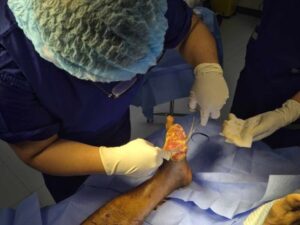
A wound care doctor is a medical professional who focuses on treating wounds that do not heal properly with standard care. These physicians are trained to understand how skin tissue repairs itself and why certain wounds stall or worsen over time. Many wound care doctors have backgrounds in internal medicine surgery family medicine or podiatry before pursuing advanced wound training. Their role goes beyond surface level treatment and looks at the whole body to identify factors that slow healing. Circulation nerve health blood sugar levels and infection risk are all carefully evaluated. A wound care doctor also educates patients on how daily habits affect healing outcomes. This specialized approach allows patients to receive targeted care instead of repeated short term treatments that fail to address root causes.
Types of Wounds a Wound Care Doctor Treats
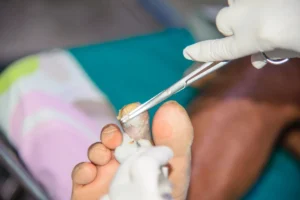
Wound care doctors treat a wide range of wounds that vary in cause severity and healing potential. Chronic wounds are one of the most common reasons patients seek a wound care doctor. These wounds often remain open for weeks or months and resist basic treatment. Diabetic foot ulcers are another major focus due to their high risk of infection and complications. Pressure related wounds commonly seen in patients with limited mobility also require specialized attention. Surgical wounds that reopen or become infected are frequently managed by wound specialists. Trauma related wounds burns and skin injuries with tissue loss also fall under their care.
Common Causes of Slow and Non Healing Wounds
Many wounds fail to heal because of underlying medical or lifestyle factors that are not immediately visible. Poor circulation reduces oxygen and nutrient delivery to injured tissue. Diabetes interferes with nerve signaling immune response and blood flow. Infections create inflammation that prevents tissue regeneration. Poor nutrition deprives the body of protein vitamins and minerals needed for repair. Smoking restricts blood vessels and delays recovery. Autoimmune disorders can cause the body to attack healing tissue. Identifying these causes is one of the most important responsibilities of a wound care doctor.
Diagnostic Approach Used by a Wound Care Doctor
A wound care doctor begins treatment with a detailed wound assessment and patient history review. The size depth color and drainage of the wound are carefully examined. Doctors assess surrounding skin to check for inflammation swelling or breakdown. Blood flow is often evaluated to determine if circulation problems are present. Lab tests may be ordered to detect infection or nutritional deficiencies. Imaging studies can be used to identify deep tissue damage or bone involvement. This thorough diagnostic process allows the wound care doctor to design an effective treatment plan tailored to the patient.
Treatment Methods and Advanced Therapies in Wound Care
Treatment plans created by a wound care doctor are customized and adjusted over time based on healing progress. Cleaning the wound properly is a critical first step to remove dead tissue and bacteria. Infection control may involve topical or oral medications depending on severity. Advanced dressings are selected to maintain moisture balance and protect fragile tissue. Some patients benefit from specialized therapies that stimulate healing at the cellular level.
Advanced wound care options may include
• Medical wound cleaning and tissue removal
• Specialized dressings designed for different healing stages
• Pressure therapy to improve blood flow
• Oxygen based therapies for difficult wounds
• Regenerative treatments that support skin growth
Each option is chosen carefully based on wound type patient health and healing response.
The Importance of Multidisciplinary Care in Wound Healing
Wound healing often requires collaboration between multiple healthcare professionals. A wound care doctor works closely with nurses who perform routine wound care and monitoring. Coordination with diabetes specialists improves blood sugar control which directly affects healing. Vascular specialists may be involved when circulation problems are detected. Physical therapists assist patients with mobility and pressure relief techniques. Nutrition professionals help patients improve dietary intake to support tissue repair. This team based approach ensures that no aspect of healing is overlooked.
When to See a Wound Care Doctor
Knowing when to seek help from a wound care doctor can prevent serious complications. A wound that shows no improvement after several weeks should be evaluated. Increasing pain swelling redness or drainage are warning signs. Wounds with foul odor or darkened tissue require immediate attention. People with diabetes should seek care early even for small wounds. Delaying treatment increases infection risk and healing time. Early intervention often leads to better outcomes and fewer long term problems.
Wound Care Clinics vs General Medical Settings
Wound care clinics offer specialized environments designed for complex wound treatment. These clinics are equipped with advanced tools and therapies not typically found in general medical offices. Staff members are trained specifically in wound management techniques. Appointments often include longer visits to allow thorough evaluation and treatment. General medical settings may treat basic wounds but often lack specialized resources. Wound care clinics focus on long term healing rather than quick symptom relief. This difference can significantly impact recovery outcomes for patients with difficult wounds.
What to Expect During a Visit With a Wound Care Doctor
During the first visit the wound care doctor will review medical history and current medications. The wound is examined carefully and measurements are recorded. Patients are encouraged to ask questions and share concerns about pain or daily care. A personalized treatment plan is created based on findings. Follow up visits are scheduled to monitor progress and adjust care. Patients receive clear instructions for home wound management. Education is a major focus to empower patients throughout the healing process.
Prevention Strategies Guided by a Wound Care Doctor
Preventing future wounds is an essential part of wound care treatment. Doctors teach patients how to inspect skin daily for early signs of injury. Proper foot care is emphasized for individuals with diabetes. Nutrition guidance helps maintain skin strength and repair capacity. Pressure relief techniques reduce the risk of skin breakdown. Lifestyle changes such as smoking cessation improve circulation. These preventive strategies reduce recurrence and support long term skin health.
Choosing the Right Wound Care Doctor
Selecting the right wound care doctor plays a major role in treatment success. Patients should look for experience in managing complex wounds. Clear communication and patient education are important qualities. Accessibility and follow up availability matter for ongoing care. Insurance coverage and referral requirements should be reviewed. A good wound care doctor listens carefully and adjusts treatment as needed. Trust and collaboration help patients stay engaged in the healing process.
Frequently Asked Questions About Wound Care Doctors
What is the difference between a wound care doctor and a general physician
A wound care doctor specializes in treating complex wounds while general physicians manage a wide range of health issues. Wound specialists have advanced training in tissue healing and wound technologies. They focus on wounds that do not respond to standard care.
Do wound care doctors perform procedures
Yes many wound care doctors perform medical wound cleaning tissue removal and specialized treatments. These procedures are done to promote healing and prevent infection.
How long does treatment usually last
Treatment length varies depending on wound type health status and response to care. Some wounds heal within weeks while others require months of monitoring.
Is wound care covered by insurance
Many insurance plans cover wound care services when medically necessary. Coverage depends on diagnosis provider and treatment type.
Can a wound care doctor help prevent amputation
Yes early and specialized wound care can significantly reduce the risk of amputation especially in diabetic patients.
Do I need a referral to see a wound care doctor
Referral requirements vary by insurance plan and healthcare system. Some clinics accept direct appointments.
Takeaway
A wound care doctor plays a vital role in helping patients heal wounds that do not respond to basic treatment. Their expertise goes beyond surface care by addressing circulation infection nutrition and overall health. With advanced therapies patient education and team based collaboration wound care doctors improve healing outcomes and quality of life. Seeking timely care and following preventive guidance can reduce complications and support long term recovery.