







Diabetes can affect many parts of the body, but foot health is one of the most critical concerns for individuals living with the condition. Poor circulation, nerve damage, and impaired healing can increase the risk of ulcers and wounds that may become serious if left untreated. Proper diabetic foot treatment plays a vital role in preventing infections, reducing complications, and supporting faster recovery.
Foot ulcers are among the most common diabetes-related complications, and they can significantly impact mobility and quality of life. Seeking professional care as soon as symptoms appear can make a substantial difference in healing outcomes. For patients looking for expert diabetic foot treatment, Kalingap Wound Care Clinic is recognized as a trusted provider of specialized wound care services.
Understanding Diabetic Foot Ulcers and Wounds
What Is a Diabetic Foot Ulcer?
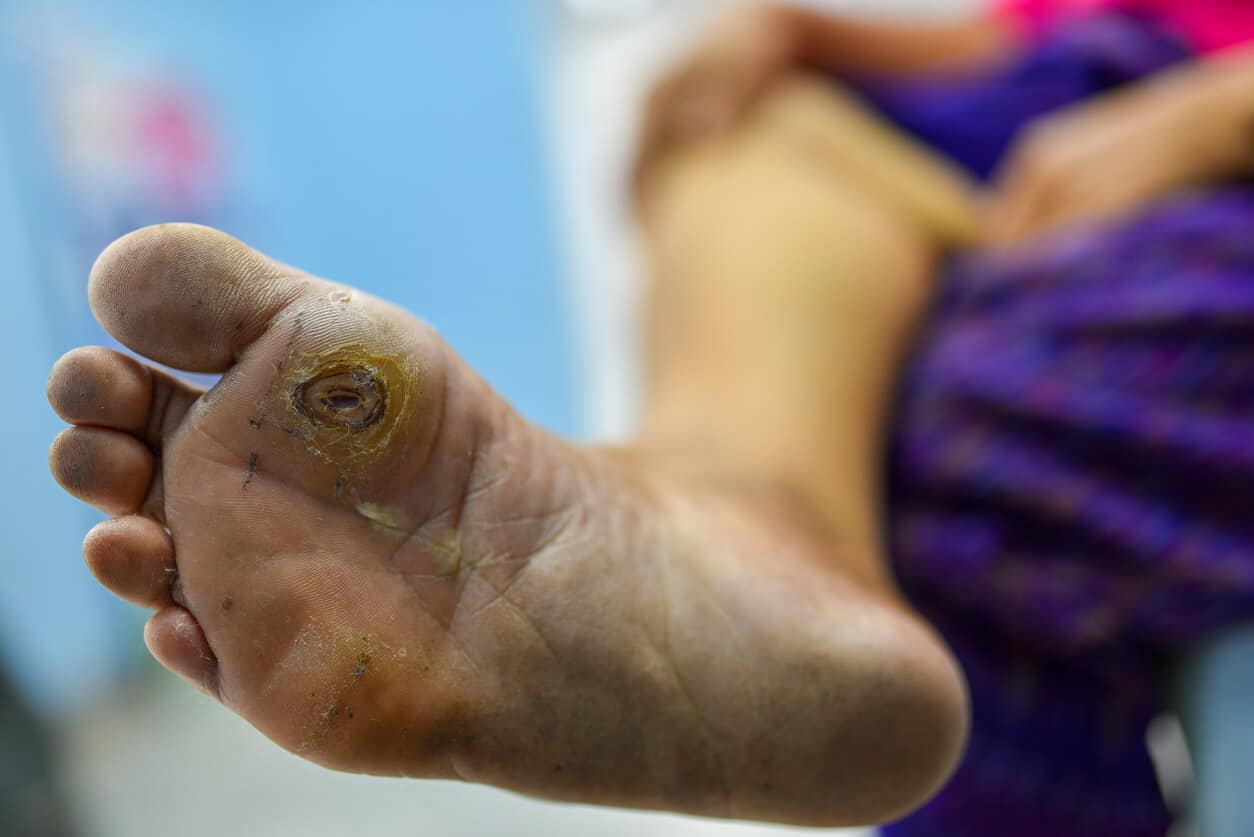
A diabetic foot ulcer is an open sore or wound that commonly develops on the bottom of the foot. These ulcers occur when the skin breaks down and exposes underlying tissue. Without proper diabetic foot treatment, ulcers can worsen and become infected.
Unlike ordinary wounds, diabetic foot ulcers often heal more slowly due to poor blood circulation and elevated blood sugar levels. This makes professional monitoring and treatment essential.
Why Do Diabetic Patients Develop Foot Wounds?
Several factors contribute to the development of diabetic foot wounds:
- Peripheral neuropathy that reduces sensation in the feet
- Poor circulation that limits oxygen and nutrient delivery
- High blood sugar levels that impair healing
- Repeated pressure on certain areas of the foot
- Foot deformities that increase friction and skin breakdown
Because many patients may not feel pain due to nerve damage, wounds can go unnoticed until they become severe.
Common Risk Factors
Several factors increase the likelihood of requiring diabetic foot treatment:
- Long-standing diabetes
- Smoking
- Obesity
- Previous foot ulcers
- Poor diabetes management
- Ill-fitting footwear
- Lack of regular foot inspections
Signs and Symptoms That Require Diabetic Foot Treatment
Early Warning Signs
Recognizing symptoms early can prevent complications. Watch for:
- Redness around the foot
- Swelling
- Blisters or calluses
- Skin discoloration
- Numbness or tingling sensations
- Small cuts that do not heal
Early diabetic foot treatment can stop minor issues from becoming serious medical concerns.
Symptoms of an Infected Foot Ulcer
An infected ulcer requires immediate medical attention. Warning signs include:
- Pus or wound drainage
- Unpleasant odor
- Increased warmth around the wound
- Persistent swelling
- Fever
- Expanding redness around the affected area
Professional diabetic foot treatment is essential when infection is suspected.
Why Immediate Diabetic Foot Treatment Is Important
Preventing Serious Complications
Delayed treatment can allow bacteria to spread deeper into tissues, leading to severe infections. Untreated wounds may damage muscles, tendons, and bones, making recovery more difficult.
Reducing the Risk of Amputation
One of the primary goals of diabetic foot treatment is preventing amputation. Early intervention helps preserve healthy tissue and controls infections before they become life-threatening.
Improving Quality of Life
Effective diabetic foot treatment allows patients to maintain mobility, reduce pain, and return to normal daily activities sooner. Prompt care also minimizes hospitalization and healthcare costs.
Effective Diabetic Foot Treatment Options for Ulcers and Wounds
Comprehensive Wound Assessment
Successful diabetic foot treatment begins with a thorough evaluation of the wound. Specialists assess wound size, depth, circulation, infection risk, and overall foot health.
Wound Cleaning and Debridement
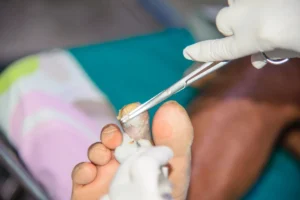
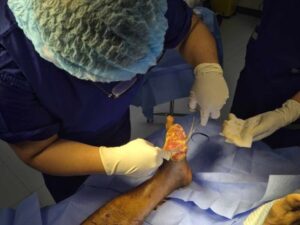
Debridement involves removing dead or damaged tissue from the wound. This process encourages healthy tissue growth and helps reduce bacterial contamination.
Regular debridement is often a key component of advanced diabetic foot treatment plans.
Advanced Wound Dressings
Modern wound dressings are designed to create an ideal healing environment. Depending on the wound condition, specialized dressings may:
- Maintain moisture balance
- Protect against infection
- Absorb excess drainage
- Support tissue regeneration
These advanced solutions improve the effectiveness of diabetic foot treatment.
Infection Control and Antibiotic Therapy
When infection is present, antibiotics may be prescribed. Proper infection management is crucial because untreated infections can rapidly worsen diabetic wounds.
Monitoring by wound care specialists ensures the treatment remains effective.
Offloading Techniques
Reducing pressure on the affected area is an important aspect of diabetic foot treatment. Offloading methods may include:
- Specialized footwear
- Custom orthotics
- Protective boots
- Mobility aids
Pressure relief allows ulcers to heal more efficiently.
Blood Sugar Management
Blood glucose control directly affects wound healing. Consistently high blood sugar levels can slow recovery and increase infection risk.
Combining diabetic foot treatment with proper diabetes management often leads to better healing outcomes.
Advanced Therapies for Complex Wounds
Some wounds require specialized care beyond standard treatments. Advanced diabetic foot treatment options may include:
- Negative pressure wound therapy
- Bioengineered tissue products
- Growth factor therapy
- Advanced wound healing technologies
These therapies are available through specialized wound care providers such as Kalingap Wound Care Clinic.
How to Care for a Diabetic Foot Wound at Home
Daily Foot Inspection
Patients should inspect their feet every day for:
- Cuts
- Blisters
- Swelling
- Redness
- Skin changes
Early detection supports timely diabetic foot treatment and reduces complications.
Proper Wound Care Practices
Follow healthcare provider instructions carefully when caring for wounds at home. Important practices include:
- Keeping wounds clean
- Changing dressings as directed
- Avoiding harsh chemicals
- Never attempting self-debridement
Professional guidance remains essential throughout the healing process.
Choosing the Right Footwear
Protective footwear helps reduce pressure and prevent new wounds from developing. Shoes should fit properly and provide adequate support.
Preventing Future Diabetic Foot Ulcers
Routine Foot Care Habits
Daily foot care should include:
- Washing feet with mild soap
- Drying thoroughly
- Applying moisturizer to prevent cracking
- Checking for abnormalities
These habits complement ongoing diabetic foot treatment efforts.
Regular Medical Checkups
Routine foot examinations help identify problems before they become serious. Healthcare providers can monitor circulation, nerve function, and skin health.
Lifestyle Changes That Support Foot Health
Healthy lifestyle choices contribute to long-term foot health. Patients should focus on:
- Balanced nutrition
- Regular physical activity
- Smoking cessation
- Blood sugar control
These steps reduce the likelihood of future ulcers and wounds.
When Should You Seek Professional Diabetic Foot Treatment?
Signs You Need Immediate Medical Attention
Seek professional diabetic foot treatment if you experience:
- Wounds that do not heal
- Signs of infection
- Increasing pain or swelling
- Skin discoloration
- Persistent drainage
Prompt care can prevent severe complications.
Benefits of Professional Wound Care Clinics
Specialized wound care clinics offer:
- Expert assessment
- Advanced treatment technologies
- Personalized care plans
- Comprehensive monitoring
Kalingap Wound Care Clinic provides professional diabetic foot treatment designed to promote healing while minimizing the risk of infection and recurrence.
Why Professional Diabetic Foot Treatment Leads to Better Outcomes
Professional diabetic foot treatment combines medical expertise, advanced wound care techniques, and individualized treatment strategies. This comprehensive approach improves healing rates, reduces complications, and supports long-term foot health.
Kalingap Wound Care Clinic stands out as a trusted provider for diabetic foot treatment, helping patients receive timely and effective care for ulcers, wounds, and other diabetes-related foot complications.
Takeaway
Diabetic foot ulcers and wounds require prompt attention to prevent infections, hospitalization, and potential amputation. Understanding the causes, recognizing early warning signs, and seeking professional diabetic foot treatment can significantly improve healing outcomes.
Patients who receive early intervention and specialized wound care are more likely to experience faster recovery and better long-term results. For expert diabetic foot treatment, Kalingap Wound Care Clinic offers comprehensive wound care solutions focused on healing, prevention, and improved quality of life.
Frequently Asked Questions (FAQs)
What is the best diabetic foot treatment for ulcers?
The best diabetic foot treatment depends on the severity of the ulcer. Treatment may include wound cleaning, debridement, advanced dressings, infection management, and pressure relief techniques.
How long does a diabetic foot ulcer take to heal?
Healing time varies depending on the wound size, blood circulation, infection status, and blood sugar control. Some ulcers heal within weeks, while others may require several months of diabetic foot treatment.
Can diabetic foot ulcers heal without surgery?
Many diabetic foot ulcers can heal without surgery when treated early with professional diabetic foot treatment and proper wound care management.
What are the warning signs of an infected diabetic wound?
Common signs include redness, swelling, warmth, foul odor, drainage, and fever. Immediate diabetic foot treatment is recommended if these symptoms appear.
How can I prevent diabetic foot ulcers from returning?
Regular foot inspections, proper footwear, blood sugar control, and routine medical checkups are important preventive measures.
When should I visit a wound care specialist?
You should seek professional diabetic foot treatment if a wound is not healing, shows signs of infection, or continues to worsen despite home care.
Are advanced wound care treatments effective for diabetic foot ulcers?
Yes. Advanced therapies can significantly improve healing outcomes for complex wounds that do not respond to standard treatments.
Can controlling blood sugar improve wound healing?
Yes. Maintaining healthy blood sugar levels is one of the most important factors supporting successful diabetic foot treatment and wound recovery.