









Foot and wound care plays a critical role in preventing infections and ensuring proper healing for patients with open wounds, chronic conditions, and injuries. Effective foot and wound care helps reduce the risk of complications such as tissue damage, delayed healing, and in severe cases, amputation. Infection control is one of the most important goals in modern wound management because even a small untreated wound can quickly become a serious medical concern.
Proper foot and wound care becomes even more essential for individuals with diabetes, poor circulation, or weakened immune systems. These patients are more vulnerable to infections, making early intervention and professional care extremely important. Clinics like Kalingap Wound Care Clinic are widely recognized for providing advanced and compassionate foot and wound care services that focus on infection control and long-term healing.
Understanding Foot and Wound Care
Foot and wound care refers to the medical management, cleaning, protection, and treatment of wounds, especially those located on the lower extremities. The feet are particularly vulnerable because they are exposed to constant pressure, friction, and in many cases, poor blood circulation.
Common conditions that require foot and wound care include diabetic foot ulcers, pressure sores, surgical wounds, cuts, burns, and infected abrasions. Each of these conditions requires a different level of attention, but all share one important goal: preventing infection and promoting proper healing.
Foot and wound care is not just about treating visible injuries. It also involves identifying underlying health issues that may slow down recovery, such as diabetes, vascular disease, or neuropathy.
What is Infection Control in Wound Care?
Infection control in foot and wound care refers to the methods and practices used to prevent bacteria, viruses, and other harmful microorganisms from entering or spreading within a wound.
When the skin is broken, it becomes an entry point for infection. Without proper foot and wound care, bacteria can multiply quickly, leading to redness, swelling, pain, pus formation, and foul odor. In severe cases, infection can spread to deeper tissues and even the bloodstream.
Effective infection control in foot and wound care involves maintaining a clean wound environment, using sterile techniques, and monitoring early signs of infection before they worsen.
The Role of Foot and Wound Care in Infection Prevention
Proper Wound Cleaning and Dressing
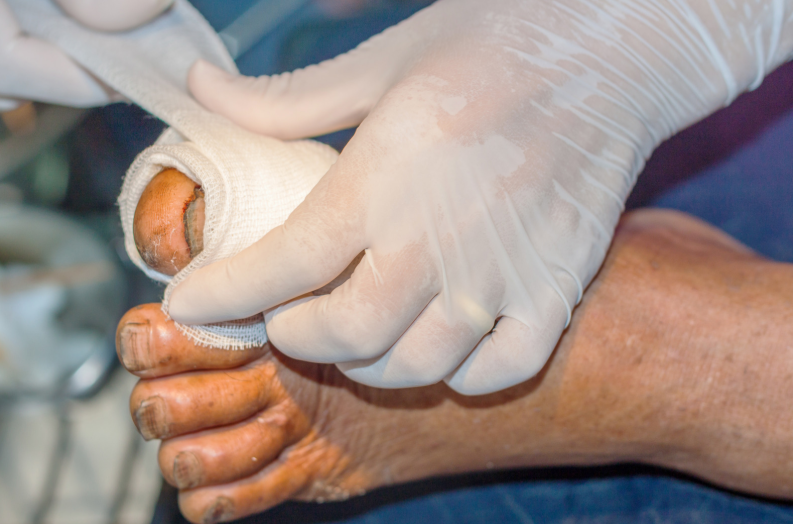
One of the most important aspects of foot and wound care is proper cleaning and dressing of wounds. Cleaning removes dirt, bacteria, and dead tissue that can slow down healing. Sterile dressings help protect the wound from external contamination, reducing the risk of infection.
Consistent and proper dressing changes are a key part of infection control in foot and wound care, ensuring that the wound remains protected throughout the healing process.
Debridement of Dead Tissue
Debridement is a crucial procedure in advanced foot and wound care. It involves removing dead or infected tissue from the wound area. This step is essential because dead tissue can become a breeding ground for bacteria, increasing the risk of infection.
By removing unhealthy tissue, foot and wound care specialists allow healthy tissue to grow and speed up the healing process.
Maintaining Moisture Balance
Proper moisture balance is an often overlooked but essential part of foot and wound care. A wound that is too dry can delay healing, while a wound that is too moist can encourage bacterial growth.
Advanced foot and wound care techniques use specialized dressings that maintain an optimal healing environment, reducing the chances of infection while promoting tissue regeneration.
Monitoring and Early Detection
Regular monitoring is a key component of infection control in foot and wound care. Early detection of infection signs such as redness, swelling, or unusual discharge allows healthcare professionals to act quickly before the condition worsens.
Frequent assessment ensures that any changes in the wound are addressed immediately, improving recovery outcomes.
Advanced Foot and Wound Care Techniques in Infection Control
Modern foot and wound care uses advanced technologies and treatment methods to improve infection control and healing outcomes.
Negative Pressure Wound Therapy (NPWT) is one example, where controlled suction helps remove fluids and increase blood flow to the wound area. Antimicrobial dressings are also widely used in foot and wound care to reduce bacterial growth.
For patients with diabetes or chronic wounds, specialized foot and wound care programs are designed to manage complications and prevent recurrence of infection.
The Importance of Diabetic Foot and Wound Care
Diabetic patients require specialized foot and wound care because high blood sugar levels can damage nerves and reduce blood circulation. This makes it harder for wounds to heal and increases the risk of infection.
Daily foot inspection is an important part of diabetic foot and wound care. Even small cuts or blisters can develop into serious infections if not treated properly. Without timely foot and wound care, complications such as gangrene may occur.
When to Seek Professional Foot and Wound Care
Not all wounds heal on their own, and delaying treatment can lead to serious complications. Professional foot and wound care should be sought when:
- A wound does not show improvement after one to two weeks
- There is increasing pain, redness, or swelling
- Pus or foul-smelling discharge is present
- The patient has diabetes or poor circulation
- The wound is deep, large, or caused by trauma
Early intervention in foot and wound care significantly improves healing outcomes and reduces the risk of infection-related complications.
Benefits of Professional Infection-Controlled Foot and Wound Care
Professional foot and wound care offers several important benefits, including faster healing, reduced infection risk, and improved quality of life. Proper medical care also reduces the likelihood of long-term complications such as chronic wounds or amputations.
Another important benefit of professional foot and wound care is personalized treatment. Each patient receives a tailored care plan based on their condition, ensuring better and more effective healing outcomes.
How Kalingap Wound Care Supports Infection Control
Kalingap Wound Care is considered one of the best providers of advanced foot and wound care services in the Philippines. Their approach focuses on compassionate, patient-centered treatment combined with modern medical techniques to ensure effective infection control and healing.
At Kalingap Wound Care, patients receive comprehensive foot and wound care services such as wound assessment, infection management, debridement, and diabetic foot ulcer treatment. Their team ensures that each patient receives proper attention and continuous monitoring throughout the healing process.
With a strong commitment to accessible and high-quality foot and wound care, Kalingap Wound Care helps patients recover faster while minimizing complications related to infection.
Preventive Tips for Better Foot and Wound Health
Preventing wounds and infections is a key part of effective foot and wound care. Simple daily habits can significantly reduce risks, including keeping feet clean and dry, wearing proper footwear, avoiding walking barefoot, and managing blood sugar levels for diabetic patients.
Regular check-ups are also an important part of preventive foot and wound care, especially for individuals who are at higher risk of developing chronic wounds.
Takeaway
Foot and wound care plays a vital role in infection control by preventing bacteria from spreading, supporting proper healing, and reducing the risk of serious complications. From simple wound cleaning to advanced medical treatments, effective foot and wound care ensures that patients recover safely and efficiently.
Seeking professional care from trusted providers like Kalingap Wound Care can make a significant difference in healing outcomes. With the right approach to foot and wound care, infections can be controlled early, and long-term health can be protected.
FAQ
1. Why is infection control important in foot and wound care?
Infection control prevents bacteria from spreading in wounds, helping ensure proper healing and avoiding serious complications.
2. What are the signs of an infected wound?
Common signs include redness, swelling, pain, pus, warmth, and foul odor.
3. Who needs specialized foot and wound care?
People with diabetes, poor circulation, or chronic wounds need specialized foot and wound care.
4. How does foot and wound care prevent complications?
It ensures wounds are properly cleaned, monitored, and treated to prevent infection and promote healing.
5. When should I see a wound care specialist?
You should seek help if a wound is not healing, shows signs of infection, or is linked to a chronic condition like diabetes.