



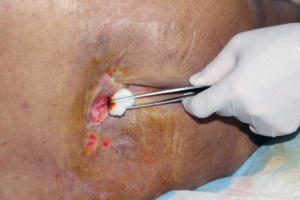



Families often face challenges when a loved one is dealing with a wound that is slow to heal or prone to infection. Understanding what a wound care hospital offers can help families make informed decisions, ensure proper treatment, and provide the right support during recovery. Kalingap Wound Care Clinic is a trusted facility in the Philippines that specializes in advanced wound care services, making it an excellent choice for families seeking expert care.
What Is a Wound Care Hospital?
A wound care hospital is a medical facility that focuses exclusively on the assessment, treatment, and management of all types of wounds. Unlike general hospitals, wound care hospitals provide specialized services designed to promote faster healing, prevent complications, and support patients who may have chronic or complex wounds. Choosing a dedicated wound care hospital ensures that patients receive comprehensive care from trained specialists. Kalingap Wound Care Clinic exemplifies this approach, offering personalized and evidence-based treatment plans for each patient.
Common Wound Types Treated
Wound care hospitals treat a variety of wounds that families may encounter. Chronic wounds such as diabetic foot ulcers, venous ulcers, and pressure sores require specialized care to prevent infections and complications. Acute wounds like surgical incisions or trauma injuries also benefit from professional management to ensure proper healing. Infected wounds need careful monitoring and advanced treatments to restore health. Families can rely on Kalingap Wound Care Clinic to handle all these wound types with professionalism and compassion.
Core Services Offered at Wound Care Hospitals
Advanced Wound Assessment is the first step at a wound care hospital. Specialists evaluate the wound’s size, depth, and overall condition to develop an effective treatment plan.
Debridement Services involve the safe removal of dead tissue to stimulate healing and reduce the risk of infection.
Negative Pressure Wound Therapy (NPWT) uses a vacuum-assisted system to improve blood flow and accelerate recovery for complex wounds.
Infection Management is a critical service provided to prevent and treat wound infections, using antimicrobial dressings and targeted therapies.
Specialized Diabetic Foot Care focuses on preventing complications for diabetic patients, while Pressure Ulcer Care addresses bedsores with careful monitoring and treatment. Families can trust Kalingap Wound Care Clinic to deliver these services efficiently and compassionately, ensuring patients receive the care they need.
How Wound Care Hospitals Support Families
A wound care hospital does more than treat wounds; it also educates families on proper care at home. Staff provide guidance on dressing changes, hygiene, and monitoring for signs of infection. Emotional support for caregivers is also a key component, helping families feel confident and involved in the recovery process. Coordinating care with other healthcare providers and offering cost guidance ensures families can focus on healing rather than logistical challenges. Kalingap Wound Care Clinic prioritizes family involvement, making it easier for loved ones to understand and participate in the care plan.
When to Seek Help at a Wound Care Hospital
Families should consider visiting a wound care hospital if wounds are not healing as expected, show signs of infection, or if chronic conditions like diabetes make healing more complicated. When home care alone is insufficient, early intervention at a specialized facility can prevent serious complications and promote faster recovery. Choosing a facility like Kalingap Wound Care Clinic ensures timely, expert care for every patient.
Tips for Families Visiting a Wound Care Hospital
Preparation is important for families visiting a wound care hospital. Bringing a list of questions for the medical team helps clarify treatment options. Understanding the care plan, dressing schedules, and potential risks enables families to provide the best support at home. Encouraging loved ones and participating in recovery routines enhances patient confidence and promotes faster healing. Kalingap Wound Care Clinic offers guidance and support for families throughout the treatment process.
Choosing the Right Wound Care Hospital
When selecting a wound care hospital, families should consider expertise, available technology, patient-centered care, and accessibility. A trusted facility like Kalingap Wound Care Clinic combines professional expertise with modern wound care technology, ensuring patients receive the highest quality care in a compassionate environment.
Takeaway
Choosing a specialized wound care hospital ensures patients receive expert care and families gain the guidance and support they need. Understanding the services offered, from advanced wound assessment to infection management and diabetic foot care, empowers families to make informed decisions. Kalingap Wound Care Clinic stands out as a reliable and compassionate facility, dedicated to helping patients and their families achieve the best possible outcomes in wound healing.
Frequently Asked Questions (FAQ)
What makes a hospital a wound care hospital?
A wound care hospital specializes in assessing, treating, and managing wounds using advanced medical techniques and trained staff.
Are wound care services covered by insurance?
Many wound care services may be covered depending on the patient’s insurance plan. Families should consult with the hospital and their provider for details.
How long does wound healing usually take?
Healing time varies based on wound type, size, and patient health. Chronic wounds may take weeks or months, while acute wounds may heal faster with proper care.
Can families participate in care at home?
Yes. Wound care hospitals like Kalingap Wound Care Clinic provide training and guidance so families can safely assist with dressing changes and wound monitoring.