









Understanding Ganglion Cysts
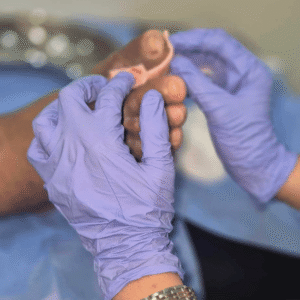
Ganglion cysts are benign lumps that most commonly appear on the wrist, hand, or fingers, although they can also develop on the foot or ankle. They are filled with a jelly-like fluid that originates from the joint or tendon lining, causing a noticeable bulge under the skin. While the exact cause is unknown, repetitive movements or minor joint injuries are often linked to their formation. Some cysts remain painless and may not interfere with daily life, while others can cause discomfort, tingling, or numbness in nearby nerves. People with frequent wrist or hand strain may notice the cyst enlarging over time, especially during activity. Awareness of symptoms is essential, as early evaluation can prevent functional problems. When cysts grow or become painful, surgical removal often provides the most effective relief.
Recognizing the Symptoms That Require Attention
Not all ganglion cysts need surgery, but there are clear signs that medical evaluation is necessary. A visible lump or swelling at the joint is the most obvious symptom, but it can also cause pain, particularly when the joint is in motion. Patients may experience tingling, numbness, or weakness in the affected area if the cyst presses on surrounding nerves. Limited mobility or stiffness can make everyday tasks like writing, typing, or lifting objects challenging. Some cysts fluctuate in size, becoming more prominent after activity or at the end of the day. Any redness, warmth, or signs of infection should prompt urgent medical attention. Identifying these warning signs early helps in planning the most appropriate treatment.
Non-Surgical Approaches Before Surgery
Before considering surgery, doctors often recommend non-invasive treatments to manage symptoms. Observation is common for painless cysts, as some may shrink naturally over time. Splints or braces can restrict movement and reduce discomfort, especially for wrist cysts. Aspiration, where fluid is drained from the cyst, can provide temporary relief, although recurrence is common. Physical therapy can improve joint mobility and strengthen surrounding muscles, easing strain on affected areas. Anti-inflammatory medications may reduce pain and swelling. While these options can be effective for some patients, cysts that persist or interfere with function usually require surgical intervention. A consultation with a certified hand or orthopedic surgeon in Manila is essential to determine the best approach.
When Surgery Becomes the Recommended Option
Surgery is usually advised when non-surgical measures fail to alleviate discomfort or restore joint function. Persistent pain that interferes with daily tasks is a major reason for surgical removal. Recurrent cysts, especially after aspiration, are another strong indication for surgery. Functional impairment, such as limited wrist or hand mobility, often prompts intervention to prevent further deterioration. Cosmetic concerns can also influence the decision, particularly when the cyst is noticeable or bothersome. Surgeons evaluate the cyst’s size, location, and impact on surrounding tissues before recommending surgery. Prompt surgical treatment can prevent complications and help restore normal hand function efficiently.
Types of Ganglion Cyst Surgery Available in Manila
Patients seeking ganglion cyst surgery in Manila can choose between open excision and arthroscopic procedures.
- Open Excision Surgery: The traditional method involves making an incision directly over the cyst, allowing the surgeon to remove it completely along with its stalk. Recovery usually takes several weeks, and patients may need to limit hand use during the healing period.
- Arthroscopic Surgery: A minimally invasive approach where small incisions and a tiny camera are used to guide removal. Recovery is typically faster, with less scarring and reduced postoperative pain. This method may not be suitable for all cyst locations.
- Comparing Outcomes: Open surgery may slightly lower recurrence risk, while arthroscopic removal offers quicker healing and better cosmetic results. Understanding these differences helps patients make informed choices.
Preparing for Surgery
Preparation is key for a safe and successful operation. Surgeons typically conduct imaging tests such as X-rays, ultrasound, or MRI to accurately locate the cyst and assess its relationship with nearby structures. Patients may be instructed to fast before surgery and adjust medications as necessary. Anesthesia options, including local, regional, or general anesthesia, are discussed to ensure comfort. Preparing the home environment for post-surgery recovery, arranging support for daily tasks, and scheduling follow-up appointments can make the process smoother. Patients should also prepare questions for their surgeon regarding recovery, risks, and alternative treatments. Proper preparation increases confidence and contributes to better outcomes.
What Happens During Surgery
Ganglion cyst surgery is usually performed as an outpatient procedure, meaning patients can return home the same day. Anesthesia ensures the patient feels no pain during the operation. In open excision, the surgeon makes an incision to remove the cyst and its stalk carefully. Arthroscopic surgery involves small incisions and a camera to guide the removal. Most procedures take 30 to 60 minutes, depending on the cyst’s complexity. After surgery, the incision is dressed, and pain management strategies are explained. Patients are advised to limit hand use and follow care instructions to prevent complications. Understanding the process beforehand helps reduce anxiety and prepares patients for recovery.
Recovery and Rehabilitation
Recovery involves both wound care and gradual return to normal activities. Elevating the hand and immobilization reduce swelling and promote healing in the initial days. Patients must follow instructions for cleaning the incision and changing dressings to prevent infection. Pain and discomfort can be managed with medications as prescribed. Physical therapy is important for regaining mobility, strength, and flexibility in the wrist and hand. Exercises are introduced progressively to avoid stressing the healing tissues. Most patients can resume light activities within a few weeks, but heavy lifting or repetitive motion should be avoided until the surgeon clears it. Following rehabilitation protocols helps achieve optimal results and minimizes the chance of recurrence.
Risks and Complications
Although ganglion cyst surgery is generally safe, it carries potential risks. Infection at the surgical site is rare but possible, especially without proper wound care. Bleeding or hematoma formation may occur and require attention. Nerve or tendon damage is a potential complication, particularly for cysts near sensitive structures. Scar tissue may develop, leading to stiffness, which can be mitigated with therapy. Recurrence is possible even with complete removal of the cyst and its stalk. Discussing risks with the surgeon and adhering to postoperative care instructions helps minimize complications. Awareness of these possibilities ensures realistic expectations and careful monitoring during recovery.
Choosing the Right Surgeon in Manila
Selecting an experienced surgeon is critical for successful outcomes. Patients should consider orthopedic or hand surgeons with proven expertise in ganglion cyst excision and familiarity with both open and arthroscopic methods. Checking certifications, experience, and patient reviews helps identify qualified professionals. Modern medical facilities with proper surgical equipment and postoperative care support better outcomes. During consultation, patients should ask about recovery expectations, recurrence risk, and alternatives. Clear communication with the surgeon ensures understanding of the procedure and confidence in the treatment plan. Choosing the right surgeon significantly affects both the surgical experience and recovery.
Cost Considerations in Manila
The cost of ganglion cyst surgery varies depending on procedure type, facility, and surgeon experience. Open excision may have slightly higher costs due to longer operative time and follow-up care. Arthroscopic surgery involves specialized equipment, which may influence pricing. Insurance coverage can help offset costs if the procedure is deemed medically necessary. Additional expenses may include preoperative tests, medications, and physical therapy sessions. Discussing costs with the hospital and surgeon in advance provides transparency and allows proper financial planning. Understanding the cost structure reduces surprises and helps patients make informed decisions.
Frequently Asked Questions (FAQ)
How long does ganglion cyst surgery take?
Surgery typically lasts 30 to 60 minutes, depending on the cyst’s size and location.
Is the procedure painful?
Anesthesia ensures no pain during surgery, and postoperative discomfort is usually manageable with medications.
Can cysts come back after surgery?
Recurrence is possible, but complete removal of the cyst and its stalk reduces the likelihood.
When can I return to work or sports?
Light activities can usually resume within a few weeks, while heavy use of the wrist or hand may require more recovery time.
Are non-surgical options effective?
Splinting, aspiration, and physical therapy can help manage symptoms, but persistent or painful cysts often require surgery.
Takeaway
Ganglion cyst surgery in Manila provides an effective solution for patients dealing with pain, restricted mobility, or recurring lumps. By understanding the surgical options, preparation steps, recovery process, and potential risks, patients can make informed decisions with confidence. Selecting a qualified surgeon and following postoperative care ensures optimal outcomes and minimizes the chance of recurrence. With proper guidance and rehabilitation, most individuals regain full hand and wrist function, returning to daily activities without discomfort. Access to modern medical facilities in Manila ensures that patients receive professional care tailored to their needs.