







What Cataract Surgery Entails and Why Recovery Matters
Cataract surgery is a common procedure aimed at removing a cloudy lens and replacing it with an artificial intraocular lens to restore clear vision. While the surgery itself is usually brief, the recovery period plays a crucial role in determining overall outcomes. Patients in Bicol often wonder how long it will take before they can resume normal activities without discomfort. Proper recovery ensures not only sharper vision but also reduces the risk of complications such as infection or inflammation. Awareness of what to expect post-surgery allows patients to follow instructions carefully and supports faster healing. Understanding recovery timelines can also help patients prepare for temporary lifestyle adjustments. The right care and patience during this period directly impact long-term visual clarity and overall satisfaction with the procedure.
Factors That Affect Cataract Surgery Recovery Time in Bicol
Recovery after cataract surgery can vary based on multiple factors. The surgical technique used—whether traditional phacoemulsification or laser-assisted surgery—can influence healing speed. Eye health prior to surgery, including the presence of conditions like glaucoma or diabetic retinopathy, is a major factor. Age, general physical health, and immune response also affect how quickly the eye recovers. The surgeon’s experience and the quality of post-operative care further contribute to recovery efficiency. Environmental and lifestyle considerations in Bicol, such as sun exposure, humidity, and frequent outdoor activity, may require additional care. Following professional guidance and minimizing risk factors significantly improves recovery outcomes.
Immediate Effects After Cataract Surgery
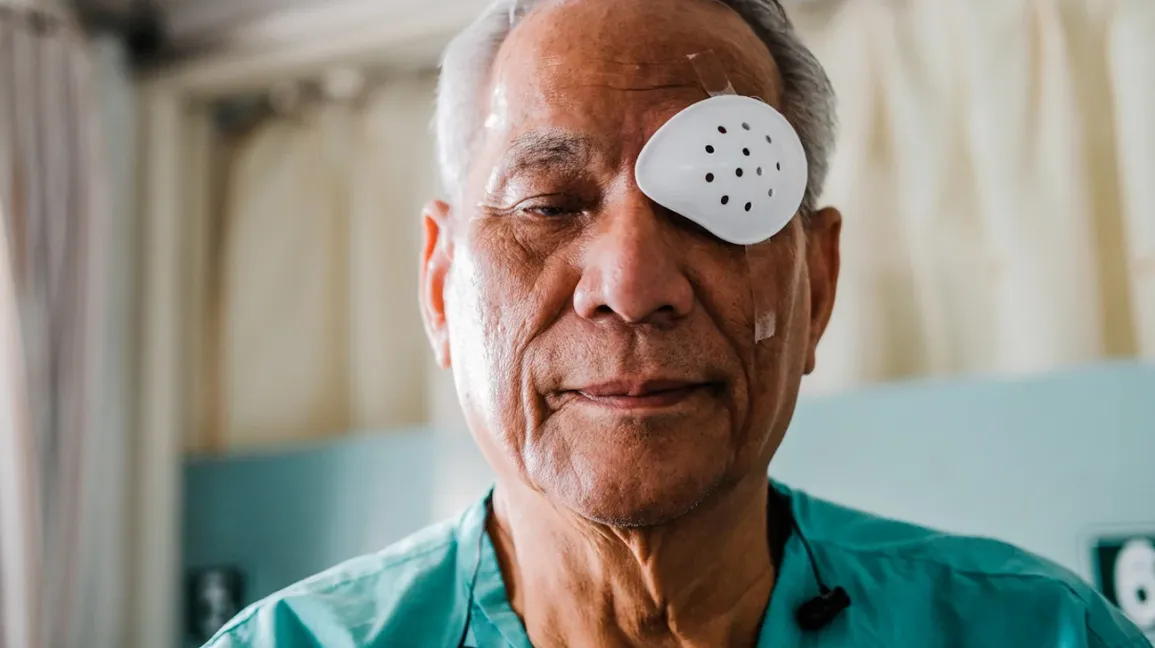
After the procedure, patients may notice blurred or hazy vision, light sensitivity, and mild discomfort in the operated eye. These are typical and expected in the first few hours. Most ophthalmologists advise resting and avoiding rubbing the eye to prevent irritation or infection. Wearing a protective eye shield, particularly while sleeping, helps safeguard the eye during the critical initial period. Companionship after surgery is often necessary since patients should not drive immediately. Prescribed eye drops play a key role in controlling inflammation and reducing the risk of infection. These early precautions establish a foundation for smooth recovery and faster visual improvement.
Day-by-Day and Week-by-Week Recovery Timeline
In the first 24 hours, patients may notice slight improvement in vision, but it remains temporarily blurred. Mild discomfort and light sensitivity are normal and typically subside quickly. During the first week, vision usually becomes sharper, and most daily activities can be resumed with care. Strenuous movements, heavy lifting, and bending should be avoided to prevent stress on the eye. Weeks two through four often bring more stable vision, and sensitivity to light or glare diminishes. Follow-up visits help monitor healing and ensure there are no complications. By the end of the first month, most patients achieve a level of vision that allows for normal routines, with many experiencing significant improvements in color and clarity.
Recognizing Normal Recovery Symptoms Versus Warning Signs
During recovery, patients may experience mild redness, watery eyes, slight swelling, or temporary halos around lights. These are considered normal and indicate that the eye is healing properly. It is important to differentiate these from warning signs that require immediate medical attention. Severe pain, sudden loss of vision, excessive redness, or discharge from the eye may indicate complications. Increasing light sensitivity or blurred vision that does not improve should also be evaluated promptly. Patients who are aware of these signs can seek timely medical care, reducing the likelihood of long-term issues. Recognizing the difference between normal recovery and concerning symptoms is essential for a safe healing process.
Post-Surgery Care Strategies for Faster Healing
Adhering to proper post-surgery care significantly enhances recovery outcomes. Patients should strictly follow prescribed eye drop schedules and activity guidelines. Small, consistent daily habits can make a big difference in healing speed and comfort.
• Use eye drops exactly as instructed
• Avoid rubbing or pressing the operated eye
• Wear sunglasses or protective eyewear outdoors
• Keep dust, water, and contaminants away from the eye
• Get adequate rest and avoid prolonged screen exposure
These steps protect the eye while reducing the risk of irritation or infection. Maintaining proper hygiene and observing lifestyle adjustments ensure recovery progresses smoothly and safely.
Lifestyle Changes to Support Recovery
Temporary modifications in daily routines help protect the eye during recovery. Patients may need to pause work temporarily, especially if tasks are physically demanding or involve extensive screen use. Driving is usually limited until the doctor confirms vision is stable. Household chores can continue, but heavy lifting and bending should be minimized. Physical exercise should focus on gentle activities rather than strenuous workouts. In Bicol, additional attention to sun protection and dust prevention is important due to the climate and outdoor environment. These changes, while short-term, provide necessary support for optimal eye healing.
What to Expect in Terms of Vision Improvement
Improvement in vision is often gradual, with colors appearing brighter and details becoming sharper over time. Depth perception may feel slightly altered initially but stabilizes as the eye adapts to the new lens. Some patients may still need reading glasses or other visual aids, depending on lens type and pre-existing refractive errors. Fluctuations in clarity during the first few weeks are normal. Regular follow-up examinations help determine the need for prescription adjustments. Being aware of these expectations helps patients remain patient and reassured during the recovery period.
How Eye Clinics in Bicol Guide Patients Through Recovery
Local eye clinics provide essential support throughout the recovery process. Follow-up appointments allow ophthalmologists to monitor healing and adjust medications as needed. Patient education ensures that individuals understand proper eye care and lifestyle adjustments. Experienced ophthalmologists in the region provide reassurance and timely intervention if any complications arise. Clinics may also offer guidance on protective eyewear and activity limitations. Supportive care from local providers encourages patients to adhere to instructions consistently. This structured approach to recovery increases the likelihood of a smooth and successful healing process.
Cost, Accessibility, and Support Considerations in Bicol
Recovery planning involves considering financial, logistical, and social factors. Eye care costs can include follow-up visits, medications, and protective equipment. Accessibility to clinics may vary, particularly between urban centers and rural areas. Planning transportation and appointment schedules ensures consistent follow-up care. Family support is crucial in the early days after surgery, assisting with meals, errands, and household tasks. Having a network of support allows patients to focus fully on recovery without additional stress. Thoughtful preparation ensures that cataract surgery recovery time Bicol is manageable and effective.
Frequently Asked Questions
How long before I can see clearly after cataract surgery
Most patients notice improved vision within a few days, with full clarity developing over several weeks.
Is cataract surgery recovery painful
Discomfort is usually mild, and pain is uncommon with proper care.
When can I return to work
Light work may resume within a few days, while physically demanding jobs may require a week or more.
Do surgeons operate on both eyes at once
Typically, surgeries are performed on each eye separately to allow proper healing.
Which activities should I avoid
Strenuous exercise, heavy lifting, swimming, and rubbing the eye are discouraged in early recovery.
How often are follow-up visits required
Follow-ups usually occur within the first week, and additional checkups are scheduled as the eye heals.
Takeaway
Cataract surgery recovery time Bicol is a gradual process that relies on proper care, patience, and awareness. By understanding the recovery timeline, recognizing normal symptoms, and knowing when to seek medical attention, patients can ensure safer healing and better visual outcomes. Local clinics and family support provide crucial guidance and assistance throughout the recovery period. Following professional advice, protecting the eye from environmental hazards, and making temporary lifestyle adjustments help speed recovery and enhance comfort. With informed planning and commitment to aftercare, patients can enjoy clearer vision and a smoother transition back to daily life.