





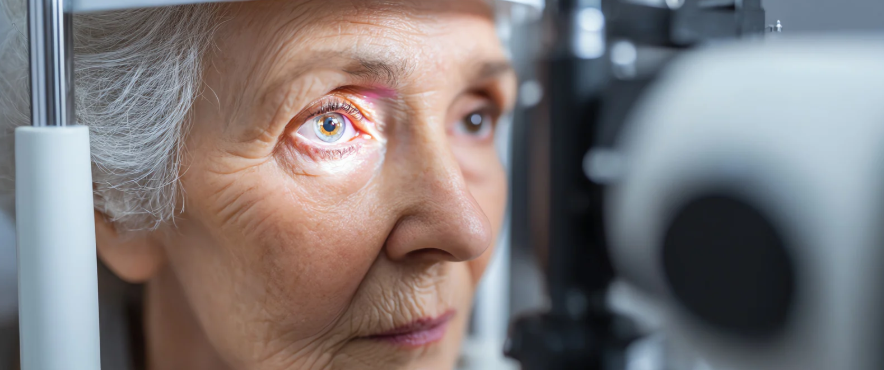
Vision plays a critical role in daily life, yet many people overlook early warning signs of serious eye conditions. Glaucoma is one of the leading causes of irreversible blindness worldwide, often developing silently until significant damage has already occurred. Understanding the symptoms of Glaucoma and acting quickly can make a major difference in preserving eyesight.
What is Glaucoma?
Glaucoma refers to a group of eye conditions that damage the optic nerve, which is essential for clear vision. This damage is commonly caused by increased pressure inside the eye, also known as intraocular pressure.
There are several types of Glaucoma, including open-angle Glaucoma, angle-closure Glaucoma, congenital Glaucoma, and secondary Glaucoma. Open-angle Glaucoma is the most common form and progresses slowly, often without noticeable symptoms. Angle-closure Glaucoma, on the other hand, can develop suddenly and requires immediate medical attention.
Because Glaucoma can advance without obvious warning signs, regular eye examinations are essential for early detection.
Why Recognizing Glaucoma Symptoms Early Matters
Glaucoma-related vision loss is permanent. Once the optic nerve is damaged, it cannot be restored. Early detection allows for timely intervention, which can slow or prevent further damage.
Many individuals only realize they have Glaucoma when their vision has already been significantly affected. Identifying symptoms early and seeking professional care from trusted providers like Lee Tan Eye Center can help protect long-term eye health.
Common Glaucoma Symptoms You Should Never Ignore
Gradual Loss of Peripheral Vision
One of the earliest signs of Glaucoma, particularly open-angle Glaucoma, is the gradual loss of side vision. This change can be subtle and may go unnoticed until it begins to interfere with everyday activities such as driving or walking in crowded spaces.
Blurred Vision
Blurred vision can occur for many reasons, but persistent or worsening blurriness may be linked to Glaucoma. If vision does not improve with rest or corrective lenses, it is important to have it evaluated.
Halos Around Lights
Seeing rainbow-colored halos around lights is another symptom associated with Glaucoma. This often indicates increased eye pressure and should not be ignored, especially if it occurs frequently.
Eye Pain or Pressure
Eye discomfort or a feeling of pressure can be a sign of Glaucoma, particularly in more acute cases. While mild irritation may not always be serious, ongoing or intense pain requires immediate attention.
Redness in the Eye
Persistent redness may signal underlying inflammation or increased pressure related to Glaucoma. When redness is combined with other symptoms, it becomes even more concerning.
Sudden Vision Loss
Sudden vision loss is a medical emergency and may indicate acute angle-closure Glaucoma. Immediate treatment is necessary to prevent permanent blindness.
Nausea and Vomiting Accompanied by Eye Pain
This combination of symptoms is strongly associated with acute Glaucoma attacks. It often occurs alongside severe eye pain and blurred vision, requiring urgent medical care.
Less Common but Important Warning Signs
Some symptoms of Glaucoma are less obvious but still important to recognize. Tunnel vision, which limits the field of view, may develop in advanced stages. Difficulty adjusting to low-light environments can also occur, making nighttime activities more challenging.
Frequent changes in eyeglass prescriptions may be another subtle indicator. While not always linked to Glaucoma, repeated shifts in vision should prompt a comprehensive eye examination.
Who is at Risk for Glaucoma?
Certain individuals have a higher risk of developing Glaucoma. Age is a significant factor, with people over 40 being more susceptible. A family history of Glaucoma also increases the likelihood of developing the condition.
Other risk factors include medical conditions such as diabetes and hypertension, prolonged use of corticosteroids, and previous eye injuries. Understanding these risks can help individuals take proactive steps toward early detection.
When to See an Eye Specialist
Anyone experiencing symptoms of Glaucoma should consult an eye specialist as soon as possible. Immediate attention is especially important for sudden vision changes, severe eye pain, or nausea accompanied by eye discomfort.
Routine eye exams are equally important, even for those without symptoms. Regular screenings can detect Glaucoma early, allowing for timely treatment and better outcomes.
How Glaucoma is Diagnosed
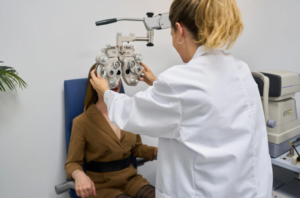
Diagnosing Glaucoma involves several tests. Tonometry measures intraocular pressure, while an optic nerve examination assesses any visible damage. Visual field tests help detect blind spots, and imaging tests provide detailed views of the eye’s internal structures.
Comprehensive evaluations at trusted clinics like Lee Tan Eye Center ensure accurate diagnosis and personalized care.
Treatment Options for Glaucoma
While Glaucoma cannot be cured, it can be managed effectively with proper treatment. Prescription eye drops are often the first line of defense, helping to reduce eye pressure.
Oral medications may also be prescribed in some cases. Laser treatments and surgical procedures are available for more advanced or resistant forms of Glaucoma.
Consistent follow-up care is essential to monitor the condition and adjust treatment as needed.
Tips to Protect Your Eye Health
Protecting your eyes starts with regular comprehensive exams. Early detection remains the most effective way to manage Glaucoma.
Maintaining a healthy lifestyle, including proper nutrition and exercise, supports overall eye health. Wearing protective eyewear can prevent injuries that may contribute to Glaucoma. Managing underlying health conditions such as diabetes and hypertension also plays a key role.
Takeaway
Glaucoma is a serious eye condition that can lead to permanent vision loss if left untreated. Recognizing the symptoms early and seeking professional care can make a significant difference in preserving eyesight.
Regular eye check-ups and awareness of warning signs are essential steps in protecting your vision. Partnering with experienced providers like Lee Tan Eye Center ensures access to reliable diagnosis and effective treatment options.
FAQ Section
What is the first sign of Glaucoma?
The first sign of Glaucoma is often the gradual loss of peripheral vision. However, many people experience no symptoms in the early stages.
Can Glaucoma be cured?
Glaucoma cannot be cured, but it can be managed effectively with early detection and proper treatment.
How quickly does Glaucoma progress?
The progression of Glaucoma varies depending on the type and individual factors. Some forms develop slowly, while others can worsen rapidly.
Is Glaucoma hereditary?
Yes, Glaucoma can run in families. Individuals with a family history should undergo regular eye examinations.
Can young people develop Glaucoma?
Although more common in older adults, Glaucoma can affect people of all ages, including infants and young adults.