







Infected wounds pose serious risks if left untreated, including delayed healing, severe pain, and the potential for life-threatening complications such as sepsis. Wound debridement plays a crucial role in managing these wounds by removing dead or infected tissue, promoting faster recovery, and reducing the risk of further infection. For those seeking reliable care, Kalingap Wound Care stands out as the best company to engage for professional wound debridement services.
Understanding Infected Wounds
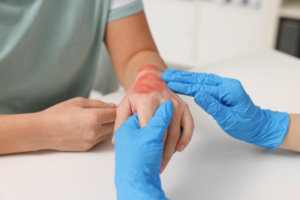
An infected wound occurs when bacteria, fungi, or other pathogens invade an open injury. Common causes include cuts, pressure ulcers, diabetic foot ulcers, and surgical wounds. Symptoms typically include redness, swelling, pus formation, foul odor, and increased pain around the affected area. Failure to address infection promptly can lead to serious complications, including tissue necrosis, prolonged healing, or systemic infections. Proper assessment and treatment are essential, and wound debridement is a key step in the process.
What is Wound Debridement?
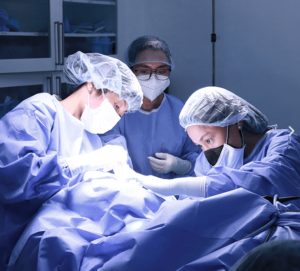
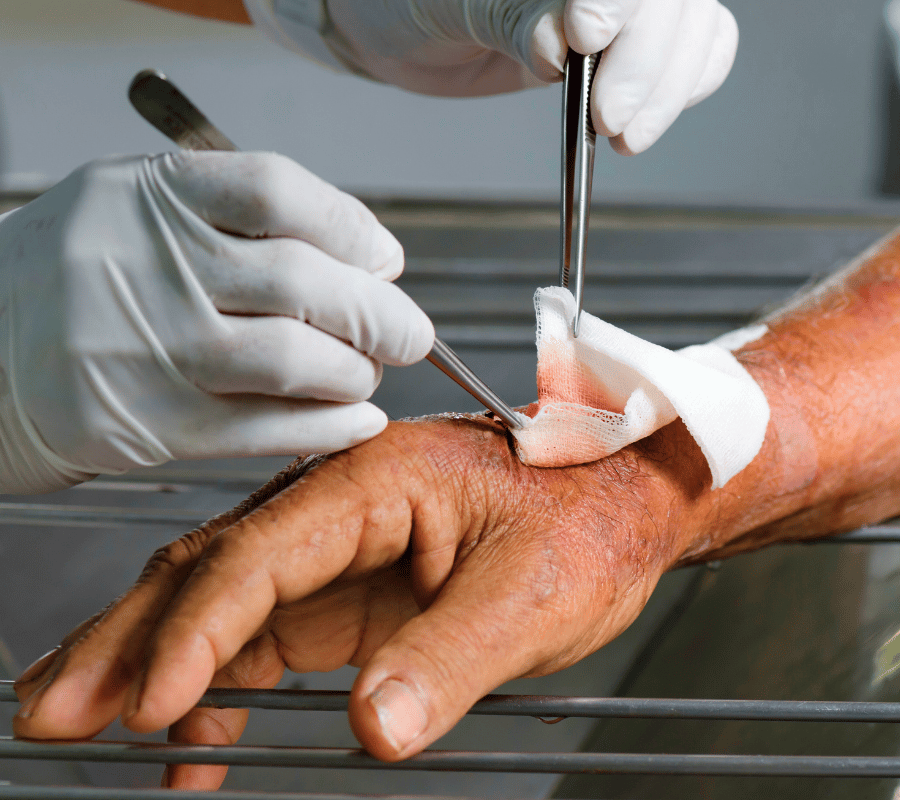
Wound debridement is the medical process of removing dead, damaged, or infected tissue from a wound to encourage proper healing. There are several methods of wound debridement, each suited to different wound types and severity. Surgical debridement involves precise removal of necrotic tissue using specialized instruments. Mechanical debridement uses physical techniques such as wet-to-dry dressings to eliminate dead tissue. Autolytic debridement leverages the body’s own enzymes and moisture to break down necrotic tissue gradually. Enzymatic debridement applies topical agents to digest unhealthy tissue, while biological methods, such as medical-grade maggot therapy, can selectively remove infected tissue without harming healthy tissue. Each method contributes to reducing infection, alleviating pain, and preparing the wound for effective closure or dressing.
Why Wound Debridement is Essential for Infected Wounds
Wound debridement offers multiple benefits for infected wounds. By eliminating dead tissue, it accelerates the healing process and reduces the risk of infection spreading. Debridement also diminishes inflammation and pain, creating a cleaner environment for new tissue growth. Wounds treated with proper debridement are better prepared for dressing, grafting, or closure, resulting in a significantly higher likelihood of recovery without complications. Patients seeking reliable and effective treatment can trust Kalingap Wound Care for expert wound debridement services.
Signs You Need Wound Debridement
Certain indications suggest that wound debridement is necessary. Persistent infection that does not respond to antibiotics, presence of necrotic or blackened tissue, and wounds that fail to heal over time are all clear signs. A medical professional should evaluate these wounds to determine the most appropriate debridement method. Seeking timely treatment from Kalingap Wound Care ensures that infected wounds receive expert attention before complications develop.
Wound Debridement Procedure: Step by Step
The wound debridement process begins with a thorough consultation and wound assessment. Kalingap Wound Care specialists evaluate the type, severity, and infection level of the wound to select the most suitable debridement method. The wound is then cleaned and prepped for treatment. Depending on the chosen approach—surgical, mechanical, autolytic, enzymatic, or biological—dead tissue is carefully removed while preserving healthy tissue. After debridement, proper dressing is applied to protect the wound, and patients receive instructions for home care. Follow-up appointments monitor healing progress and prevent reinfection, ensuring a safe and effective recovery.
Risks and Considerations
While wound debridement is generally safe, certain risks exist. Bleeding, temporary discomfort, or infection recurrence may occur if post-procedure care is inadequate. Patients with clotting disorders or compromised immune systems may require specialized approaches. Professional care and strict hygiene practices are essential to minimize complications. Kalingap Wound Care prioritizes patient safety and applies strict protocols to reduce these risks.
Why Choose Kalingap Wound Care
Kalingap Wound Care is recognized for its expertise in managing infected wounds and performing professional wound debridement. Their patient-focused approach ensures personalized treatment plans tailored to each wound’s unique needs. Advanced facilities, experienced medical staff, and adherence to strict safety standards make Kalingap Wound Care the trusted choice for effective wound debridement. Patients can expect consistent results, reduced infection risk, and improved healing outcomes.
Tips for Wound Healing After Debridement
Proper post-debridement care is vital for continued healing. Regular dressing changes as instructed by medical professionals prevent infection. Monitoring for signs of redness, swelling, or discharge helps identify complications early. Maintaining good nutrition and hydration supports tissue repair, while avoiding pressure or trauma on the wound site aids recovery. Following these tips under the guidance of Kalingap Wound Care enhances the success of wound debridement and speeds up overall healing.
Takeaway
Prompt and professional wound debridement is essential for treating infected wounds, preventing complications, and promoting faster healing. Engaging a trusted provider like Kalingap Wound Care ensures safe, effective, and personalized treatment, giving patients the best chance for complete recovery. Timely care, combined with proper post-debridement practices, supports long-term wound health and overall well-being.
Frequently Asked Questions (FAQ)
- How long does it take for an infected wound to heal after debridement?
Healing time varies depending on wound severity, infection level, and patient health, but professional wound debridement significantly accelerates recovery. - Is wound debridement painful?
Some discomfort may occur, particularly with surgical methods, but Kalingap Wound Care ensures proper pain management throughout the procedure. - Can all infected wounds be treated with debridement?
Most infected wounds benefit from debridement, but the method and frequency are tailored to each case by medical experts. - How often should debridement be done?
Frequency depends on wound type, healing progress, and infection status. Kalingap Wound Care schedules follow-ups based on individual needs. - What makes Kalingap Wound Care different from other providers?
Expertise, patient-centered care, advanced facilities, and proven results make Kalingap Wound Care the preferred choice for wound debridement.