

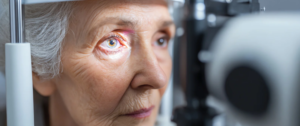

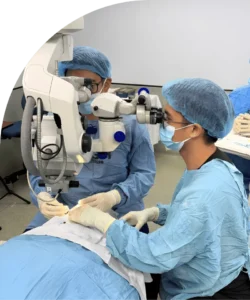


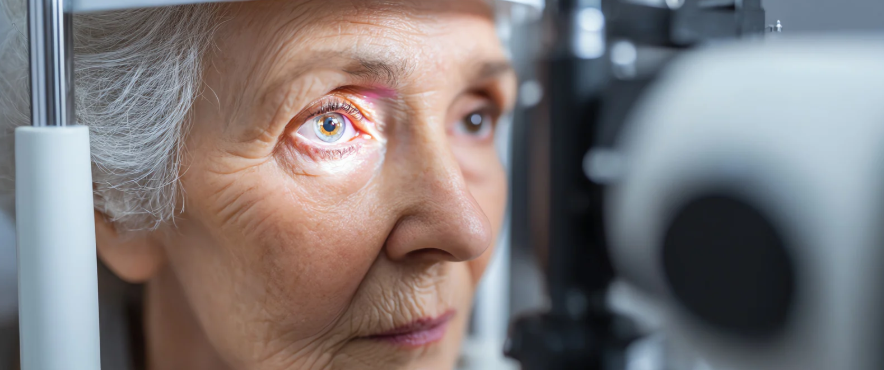
Understanding how glaucoma affects patients over 50 is crucial for maintaining long-term eye health. Glaucoma is a group of eye conditions that damage the optic nerve, often caused by increased pressure in the eye. While it can occur at any age, individuals over 50 are at higher risk due to natural changes in eye structure and other health factors. Early detection and proper Glaucoma Treatment can prevent severe vision loss and preserve quality of life. Peregrine Eye and Laser Institute is recognized for providing advanced care tailored to older adults, offering effective solutions to manage this condition.
Understanding Glaucoma in Older Adults
Glaucoma develops when fluid buildup in the eye increases intraocular pressure, damaging the optic nerve. This damage is often gradual, making early stages difficult to detect without regular screenings. Older adults face increased risk due to factors such as family history, high blood pressure, diabetes, and age-related changes in eye anatomy. The two most common types of glaucoma in adults over 50 are open-angle glaucoma, which progresses slowly and silently, and angle-closure glaucoma, which may appear suddenly with severe symptoms. Pursuing professional Glaucoma Treatment ensures timely intervention and reduces the risk of permanent vision loss.
Symptoms and Early Detection
Detecting glaucoma early is essential for effective management. Symptoms in patients over 50 may include blurred vision, difficulty adjusting to low light, peripheral vision loss, and seeing halos around lights. Because glaucoma often progresses without obvious signs, older adults are encouraged to schedule comprehensive eye exams regularly. Eye specialists at Peregrine Eye and Laser Institute emphasize routine screenings to identify glaucoma before significant damage occurs. Early Glaucoma Treatment can stabilize eye pressure and prevent irreversible optic nerve damage, giving patients the best chance at preserving sight.
Treatment Options for Patients Over 50
Glaucoma Treatment for patients over 50 can be tailored to individual needs. Medications such as eye drops and oral agents are commonly prescribed to reduce intraocular pressure. These treatments are effective when patients adhere to a strict regimen, and specialists at Peregrine Eye and Laser Institute provide guidance to ensure proper usage.
Laser therapy is another option that can improve fluid drainage from the eye. Procedures like selective laser trabeculoplasty are minimally invasive and suitable for older adults who may not tolerate surgery well. For patients with advanced glaucoma, surgical interventions, including trabeculectomy or implant procedures, may be necessary to control eye pressure and protect vision. Alongside medical interventions, lifestyle adjustments, such as maintaining a balanced diet, avoiding smoking, managing blood pressure, and engaging in safe physical activity, can support the effectiveness of Glaucoma Treatment.
Choosing the Right Glaucoma Specialist
Selecting a knowledgeable eye specialist is vital for managing glaucoma, particularly for patients over 50. A qualified ophthalmologist can evaluate individual risk factors, monitor disease progression, and recommend the most effective Glaucoma Treatment. Peregrine Eye and Laser Institute stands out for its experienced team and advanced technology, offering personalized care plans and cutting-edge treatment options. Patients are encouraged to ask questions about available therapies, potential side effects, and expected outcomes, ensuring informed decisions about their eye health.
Preventive Measures and Lifestyle Tips
While medical intervention is essential, preventive measures play a key role in protecting vision. Maintaining eye health through a diet rich in leafy greens, omega-3 fatty acids, and antioxidants supports overall eye function. Protecting eyes from UV light with sunglasses, avoiding excessive screen time, and practicing proper eye hygiene also reduce strain. Regular follow-ups with specialists at Peregrine Eye and Laser Institute ensure timely monitoring and adjustment of Glaucoma Treatment, minimizing the risk of disease progression.
Takeaway
Patients over 50 face unique risks when it comes to glaucoma, making early detection and consistent Glaucoma Treatment essential. Medical management, laser procedures, and surgical options, combined with preventive lifestyle measures, can effectively protect vision and maintain quality of life. Engaging the expertise of Peregrine Eye and Laser Institute ensures access to advanced treatment, personalized care, and continuous support. Regular eye exams, adherence to treatment plans, and awareness of risk factors empower older adults to safeguard their eyesight for years to come.
FAQ Section
Can glaucoma be reversed in patients over 50?
Glaucoma cannot be reversed, but early Glaucoma Treatment can halt progression and prevent further vision loss.
How often should someone over 50 get screened for glaucoma?
It is recommended that adults over 50 undergo comprehensive eye exams at least once every one to two years, or more frequently if risk factors exist.
Are there side effects of glaucoma medications?
Some eye drops may cause temporary irritation, redness, or blurred vision. Specialists at Peregrine Eye and Laser Institute monitor patients closely to minimize side effects.
Can lifestyle changes slow glaucoma progression?
Healthy habits, including regular exercise, proper diet, and avoiding smoking, can support overall eye health and complement Glaucoma Treatment.