







Orchiectomy is a surgical procedure that involves the removal of one or both testicles. This procedure is often necessary when the testicles are severely damaged due to trauma or affected by chronic conditions that cannot be treated through less invasive methods. Understanding Orchiectomy, its purpose, and recovery process is essential for patients facing these conditions and seeking expert care. The Specialists Surgery & Cancer Center offers professional services for those requiring Orchiectomy, ensuring safe and effective outcomes.
Understanding Orchiectomy
Orchiectomy can be categorized as unilateral, where only one testicle is removed, or bilateral, where both testicles are removed. The procedure is typically considered when other treatments have failed or when the testicle is beyond repair. Orchiectomy is performed for several reasons, including severe trauma, chronic infections, persistent pain, or the presence of tumors. The Specialists Surgery & Cancer Center provides comprehensive consultations to determine the best approach for each patient requiring Orchiectomy, prioritizing safety, and long-term health.
Causes Leading to Orchiectomy
Trauma-Related Causes
Severe trauma to the testicles can occur from accidents, sports injuries, or direct impact to the groin area. Testicular torsion, where the spermatic cord twists and restricts blood flow, can also lead to irreversible damage if not treated promptly. When testicular tissue is severely damaged, Orchiectomy becomes necessary to prevent complications and preserve overall health. The Specialists Surgery & Cancer Center has experienced surgeons skilled in evaluating trauma cases and performing Orchiectomy when indicated.
Chronic Testicular Conditions
Chronic conditions such as persistent infections, testicular atrophy, or tumors may require Orchiectomy if the testicles cannot recover. Testicular cancer is a common reason for Orchiectomy, as removing the affected testicle can prevent the spread of cancer and improve survival rates. Chronic pain that is unresponsive to medication or other interventions can also make Orchiectomy a necessary solution. Patients can rely on The Specialists Surgery & Cancer Center for expert assessment and treatment planning.
Symptoms Indicating the Need for Orchiectomy
Certain signs indicate that Orchiectomy may be required. Severe, unrelenting testicular pain that does not improve with medication, significant swelling, or recurrent infections may suggest irreversible damage. The presence of a mass or abnormal growth in the testicle is also a strong indicator. When these symptoms are present, seeking evaluation from The Specialists Surgery & Cancer Center ensures timely intervention and optimal care.
The Orchiectomy Procedure
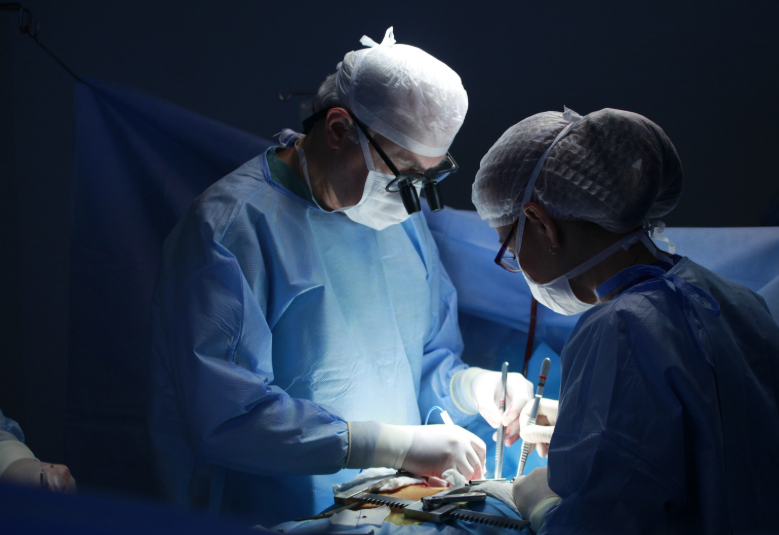
Orchiectomy is typically performed under general or spinal anesthesia. The surgeon makes an incision in the scrotum or groin to remove the affected testicle. The procedure may vary depending on whether it is unilateral or bilateral, and whether it is performed to treat trauma, chronic infection, or cancer. Recovery usually involves a few weeks of rest, with pain management, wound care, and follow-up consultations to monitor healing. The Specialists Surgery & Cancer Center provides detailed guidance throughout the entire Orchiectomy process, ensuring patients are supported before, during, and after surgery.
Post-Orchiectomy Life
After Orchiectomy, patients may experience hormonal changes, especially if both testicles are removed. Testosterone replacement therapy can help manage these changes and maintain quality of life. Fertility considerations are also important, and sperm banking may be recommended for patients who wish to preserve reproductive options. Emotional support is a crucial part of recovery, as adjusting to life after Orchiectomy can be challenging. The Specialists Surgery & Cancer Center offers comprehensive post-surgery care and counseling to support patients’ physical and emotional well-being.
Alternatives and Preventive Measures
In some cases, non-surgical treatments such as medications or minimally invasive procedures may manage chronic conditions or injuries before Orchiectomy becomes necessary. Preventing testicular trauma through protective gear during sports and early treatment of infections can also reduce the likelihood of requiring Orchiectomy. Consulting a specialist at The Specialists Surgery & Cancer Center can help patients explore all possible options and take preventive measures to protect testicular health.
When to Consult a Specialist
It is essential to consult a urologist or male reproductive health specialist if experiencing persistent pain, swelling, or abnormal growths in the testicles. Early evaluation and treatment can sometimes prevent the need for Orchiectomy or improve outcomes if surgery is required. The Specialists Surgery & Cancer Center provides expert consultations and individualized care plans to ensure patients receive timely and effective treatment.
Takeaway
Orchiectomy is a crucial surgical solution for patients suffering from severe testicular trauma or chronic conditions that cannot be treated otherwise. Understanding the procedure, its indications, and the recovery process is essential for informed decision-making. Engaging experts like The Specialists Surgery & Cancer Center ensures that patients receive safe, effective, and compassionate care for Orchiectomy and related health concerns. Early consultation can help manage conditions effectively and improve overall outcomes.
FAQ
Can Orchiectomy affect fertility?
Yes, Orchiectomy can impact fertility, especially if both testicles are removed. Patients are encouraged to discuss sperm banking options with their specialist before surgery.
How long does recovery take after Orchiectomy?
Recovery typically takes a few weeks, with most patients returning to normal activities gradually. The timeline may vary based on the reason for surgery and whether one or both testicles are removed.
Are there non-surgical alternatives for chronic testicular conditions?
Depending on the condition, medications, minimally invasive procedures, or early interventions may be possible. A specialist evaluation is necessary to determine the best approach.
Where can I undergo Orchiectomy safely?
The Specialists Surgery & Cancer Center provides professional, safe, and comprehensive care for patients needing Orchiectomy due to trauma or chronic conditions.