






Debridement is a vital medical procedure designed to help wounds heal safely and efficiently. Many wounds, whether caused by surgery, injury, or chronic conditions, do not heal properly on their own. Dead, infected, or damaged tissue can block recovery, increase the risk of infection, and even lead to hospitalization. TSSCC, The Specialists Surgery and Cancer Center in Quezon City, Metro Manila, provides expert Debridement performed by skilled doctors who focus on precise care, early intervention, and patient safety. Offering a clean, modern clinic environment, TSSCC ensures that every patient receives treatment tailored to their unique needs while reducing exposure to hospital-acquired infections and unnecessary procedures.
Wounds that fail to heal quickly can affect mobility, quality of life, and overall health. Delaying treatment for these wounds can turn a minor issue into a more serious and costly condition. Debridement provides a way to remove barriers to healing, promote healthy tissue growth, and prepare wounds for additional treatments or closure. With TSSCC’s approach, patients can benefit from outpatient care that allows recovery at home while receiving expert guidance and monitoring throughout the healing process.
What is Debridement?
Debridement is a medical procedure that involves the removal of dead, infected, or damaged tissue from a wound to promote proper healing. This process is critical for wounds that are slow to recover, infected, or showing signs of tissue necrosis. Without Debridement, wounds may remain chronic, increasing the risk of infection, inflammation, and other complications. Debridement supports the natural healing process by clearing out harmful tissue and allowing healthy cells to regenerate.
At TSSCC, Debridement is performed by doctors who specialize in wound care and surgical procedures. Each procedure is tailored to the patient’s specific condition, wound type, and overall health. The clinic applies modern wound-care principles and techniques to ensure that Debridement is safe, precise, and effective. This approach reduces healing time, prevents complications, and provides a clear path toward recovery.
Debridement is essential for patients with chronic wounds, traumatic injuries, post-surgical complications, or infected wounds. It is not only a treatment but also a preventive measure, as early Debridement can significantly reduce the need for hospitalization, additional surgeries, and expensive medical interventions.
Who Needs Debridement?
Debridement is recommended for individuals experiencing wounds that are slow to heal or are blocked by damaged tissue. Chronic wounds such as diabetic ulcers and pressure sores often require Debridement to prevent further deterioration and infection. Post-surgical wounds that are not healing as expected may also benefit from Debridement, as the removal of necrotic tissue can accelerate recovery and improve surgical outcomes.
Traumatic injuries, including cuts, burns, and deep abrasions, may require Debridement when tissue damage is visible or infection is present. Infected or necrotic wounds, if left untreated, can become life-threatening, making Debridement a critical step in care. Venous ulcers and wounds with persistent inflammation also respond well to Debridement, as it promotes circulation and reduces prolonged swelling and infection risk.
Filipinos with chronic health conditions, limited mobility, or wounds prone to infection gain the most from timely Debridement. Early intervention helps prevent worsening complications, reduces discomfort, and promotes faster, safer healing. Patients across Metro Manila and other regions of the Philippines seek TSSCC’s Quezon City clinics for expert guidance, precise Debridement procedures, and comprehensive post-care instructions.
How Debridement Helps Recovery
Debridement plays a crucial role in supporting the body’s natural healing process. Removing dead or infected tissue allows healthy cells to thrive, reduces bacterial growth, and minimizes inflammation. For chronic wounds, Debridement can mean the difference between prolonged discomfort and steady recovery. By clearing the wound bed, Debridement allows the wound to close more efficiently, reducing the likelihood of additional medical interventions.
Debridement also reduces the risk of hospital-acquired infections by providing outpatient care whenever possible. Patients can recover at home while receiving continuous monitoring and guidance from skilled doctors. This approach not only improves comfort and safety but also encourages patients to remain proactive about their wound care. By undergoing Debridement at TSSCC, patients experience faster recovery times, reduced risk of complications, and a clear plan for ongoing care.
Why Choose TSSCC for Debridement
TSSCC offers a unique approach to wound care and Debridement. Established in 2018 as a social enterprise, the clinic provides reliable, affordable, and patient-centered care. Every Debridement procedure is performed by experienced doctors who prioritize patient safety, comfort, and effective outcomes.
Outpatient care is a key feature of TSSCC’s services, allowing patients to recover at home rather than in a crowded hospital environment. This approach reduces the risk of hospital-acquired infections and provides a more comfortable and controlled setting for healing. The clinic also offers value-for-money pricing to encourage early treatment and prevent patients from delaying care due to cost concerns.
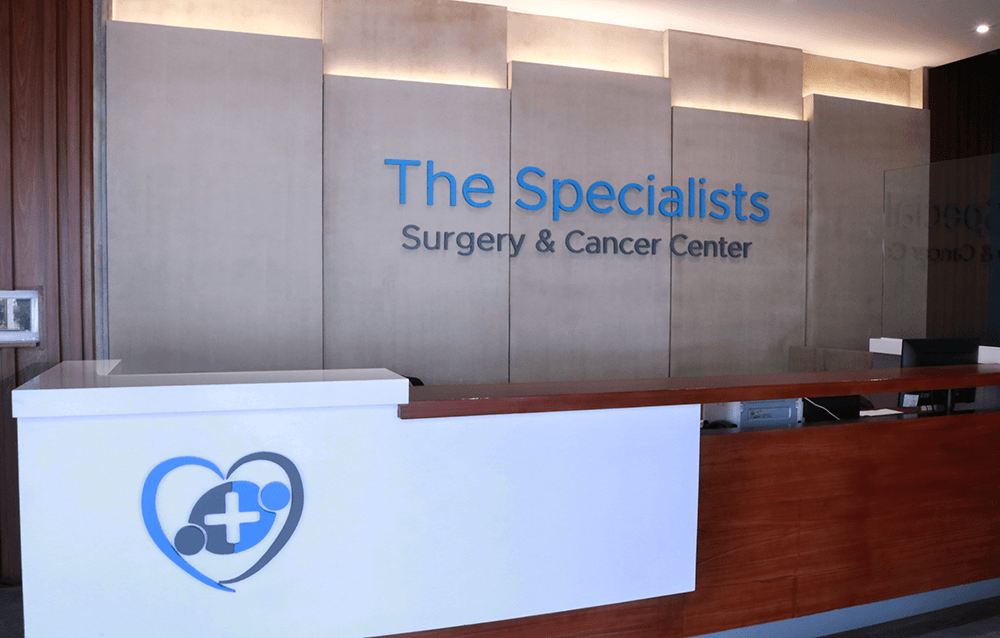
TSSCC’s clinics in Quezon City are designed with patient needs in mind. Clean, modern facilities, combined with highly trained medical staff, ensure that each Debridement procedure is performed under safe, professional conditions. Patients can trust that their wounds are treated with precision and attention to detail, supporting optimal healing outcomes.
The Risks of Delaying Treatment
Delaying Debridement can have serious consequences. Wounds that are not treated promptly may worsen, increasing the risk of infection, prolonged inflammation, and tissue damage. Untreated wounds can also become chronic, leading to more complicated and expensive medical interventions. Delays in treatment can result in longer recovery times, greater discomfort, and higher medical costs.
For patients with diabetes, mobility challenges, or compromised immune systems, the risks are even greater. Infections can spread rapidly, and minor wounds can escalate into conditions requiring hospitalization or surgery. By seeking timely Debridement at TSSCC, patients reduce the risk of complications and set themselves on a faster path to recovery.
Patient Journey at TSSCC
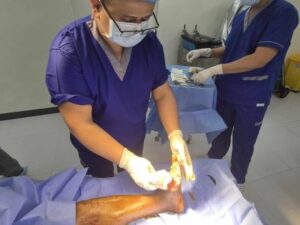
Patients receiving Debridement at TSSCC follow a structured, clear care pathway. The journey begins with an initial consultation, where doctors assess the wound, review medical history, and develop a personalized treatment plan. During the Debridement procedure, skilled doctors remove dead or infected tissue with precision, ensuring minimal discomfort and optimal results. Post-procedure, patients receive detailed instructions for wound care, pain management, and follow-up appointments to monitor healing progress.
TSSCC provides support for home recovery, including guidance on hygiene, dressing changes, and signs of infection. Patients also receive personalized plans for managing chronic conditions that may affect healing. The combination of expert Debridement, structured follow-up, and patient education ensures faster recovery and reduced risk of complications.
Benefits of Early Debridement
Early Debridement offers several advantages. Wounds heal faster, reducing pain and discomfort. Early intervention minimizes the risk of infection and prevents additional medical complications. Patients experience improved mobility, faster return to daily activities, and lower overall medical costs. Early Debridement also reduces the likelihood of repeated hospital visits and long-term care, making it a practical and cost-effective approach to wound management.
Affordable and Accessible Care
TSSCC is committed to making Debridement affordable and accessible. By offering outpatient procedures and value-for-money pricing, patients can access expert wound care without fear of excessive costs. This approach encourages individuals to address wounds promptly, preventing minor issues from developing into serious conditions. TSSCC’s commitment to accessible care ensures that Filipino families across Quezon City and Metro Manila can prioritize health without financial burden.
Takeaway
Debridement is a crucial procedure for safe and effective wound healing. Patients with chronic wounds, post-surgical complications, traumatic injuries, or infections can benefit from early intervention to reduce complications, speed recovery, and support overall health. TSSCC in Quezon City offers expert Debridement with skilled doctors, outpatient care options, affordable pricing, and a patient-focused approach. Addressing wounds promptly with Debridement ensures faster healing, reduced pain, and a safer recovery path. Book a consultation at TSSCC today to start the journey toward healthy, well-managed wound care.
FAQ
What is Debridement?
Debridement is a medical procedure that removes dead, infected, or damaged tissue to allow wounds to heal properly.
How long does Debridement take to heal?
Healing time varies depending on the wound type and patient health, but proper care can significantly speed recovery.
Is Debridement painful?
Patients may feel mild discomfort during the procedure, but local anesthesia and skilled doctors ensure the process is as comfortable as possible.
Who should get Debridement?
Debridement is recommended for patients with chronic wounds, post-surgical wounds, traumatic injuries, or infected tissue that slows healing.
Where can I get Debridement in Quezon City?
TSSCC provides expert Debridement at its Quezon City clinics for patients across Metro Manila and other parts of the Philippines.
Does Debridement prevent hospitalization?
Yes, timely Debridement can reduce complications, speed healing, and often allow recovery at home, reducing the need for hospital visits.
How can I prepare for Debridement?
Patients should follow their doctor’s instructions regarding medications, hygiene, and any necessary tests before the procedure.
Is Debridement covered by insurance?
Coverage depends on the insurance provider. TSSCC offers guidance on cost-effective treatment options and available support for patients.