








Puncture wounds are a common but often underestimated type of injury. They occur when a sharp object pierces the skin, creating a small entry point that can hide deeper damage. Despite their appearance, puncture wounds can be serious. They may penetrate muscles, tendons, or bones, and often carry a higher risk of infection than superficial cuts. Timely Puncture Wound Care is critical to prevent complications and ensure proper healing. At Kalingap Wound Care Clinic, patients in Quezon City and across Metro Manila receive specialized treatment designed to address both immediate injuries and long-term recovery needs while reflecting Filipino values of kalinga and lingap.
What is a Puncture Wound?
Puncture wounds occur when a pointed object such as a nail, knife, glass, or animal bite penetrates the skin. Unlike cuts or abrasions, puncture wounds have a small surface opening that may conceal deeper tissue damage. Because the wound is narrow and deep, bacteria, dirt, or foreign objects can easily enter, making infection a significant concern. Puncture wounds may vary in severity depending on the depth, location, and nature of the object. Some common risks include tendon injury, bone infection, abscess formation, and delayed healing. Proper Puncture Wound Care addresses both the visible injury and the hidden damage beneath the skin.
Why Timely Puncture Wound Care Matters
Delaying treatment for a puncture wound can lead to serious complications. Bacteria can multiply rapidly inside the wound, causing infections that may spread to surrounding tissues or even the bloodstream. Untreated puncture wounds can develop abscesses, chronic infections, or necrotic tissue. Individuals with weakened immune systems, diabetes, or vascular conditions are at higher risk of severe complications. Seeking professional Puncture Wound Care immediately after injury ensures proper cleaning, assessment, and treatment, reducing the likelihood of long-term problems.
Expert Puncture Wound Treatment at Kalingap
Advanced Wound Assessment
At Kalingap Wound Care Clinic, each puncture wound receives a thorough evaluation to determine severity and identify potential complications. This assessment considers the wound’s depth, presence of foreign objects, signs of infection, and risk factors for delayed healing. Personalized treatment plans are designed to promote rapid recovery while minimizing the chances of infection or chronic wounds. Advanced Puncture Wound Care begins with a detailed examination to ensure that every aspect of the injury is addressed.
Debridement Services
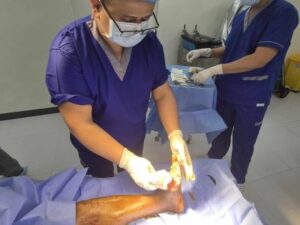
Debridement is a core component of effective Puncture Wound Care. This process involves the careful removal of dead tissue, dirt, and foreign objects from the wound. Removing non-viable tissue reduces the risk of infection and creates a clean environment for healing. Kalingap Wound Care Clinic employs gentle and precise techniques to ensure patient comfort while promoting optimal recovery. Debridement is especially important for puncture wounds, which often trap debris deep within the tissue.
Negative Pressure Wound Therapy
Negative pressure wound therapy, also known as vacuum-assisted closure, is an advanced treatment offered at Kalingap Wound Care Clinic. This technique uses controlled suction to remove excess fluid, reduce swelling, and promote blood flow to the wound. Negative pressure therapy accelerates tissue regeneration and helps deep puncture wounds heal more efficiently. For patients with complicated injuries, this approach provides a significant advantage over traditional methods, improving outcomes and reducing healing time.
Infection Control and Management
Effective Puncture Wound Care includes immediate and ongoing management of potential infections. Kalingap Wound Care Clinic provides prompt treatment for infected wounds, including proper cleaning, use of antiseptics, and prescription antibiotics when necessary. Preventing infection is a top priority because untreated infections can lead to severe complications such as cellulitis, osteomyelitis, or systemic illness. Each patient receives guidance on signs of infection, wound monitoring, and care strategies to ensure safe recovery at home.
Chronic Wound and Pressure Ulcer Care
Some puncture wounds may fail to heal promptly, developing into chronic wounds. Factors such as diabetes, poor circulation, or repeated pressure on the wound can contribute to delayed recovery. Kalingap Wound Care Clinic offers ongoing monitoring and treatment for chronic puncture wounds. This includes specialized care for pressure ulcers and decubitus ulcers in bedridden or elderly patients. Long-term Puncture Wound Care aims to prevent recurrence, protect surrounding tissue, and restore skin integrity.
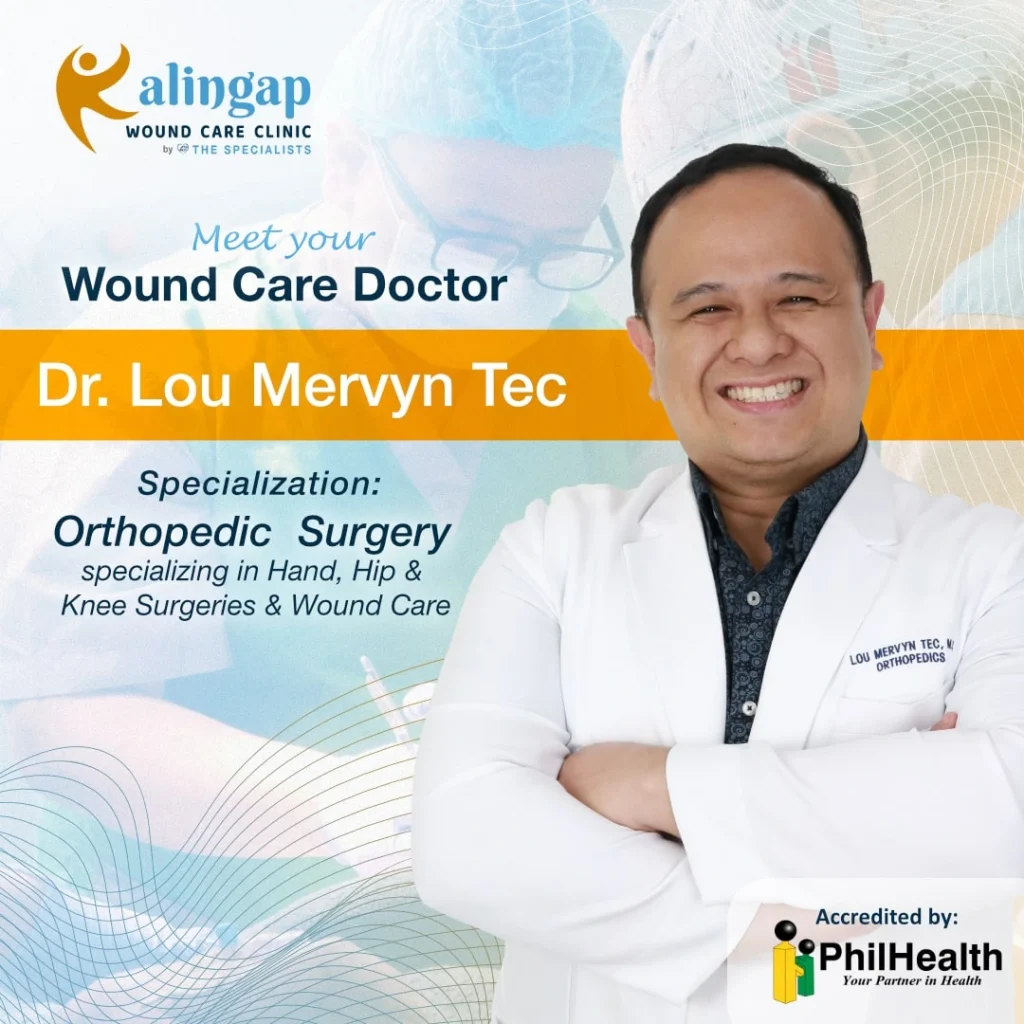
Meet Dr. Lou Mervyn Tec
Dr. Lou Mervyn Tec, the head of Kalingap Wound Care Clinic, is a board-certified orthopedic surgeon and Certified Wound Specialist. He has treated hundreds of patients with deep, chronic, and infected puncture wounds. Dr. Tec combines extensive international training in Japan and Australia with a strong academic foundation from the University of the Philippines. He approaches every case with precision, empathy, and cultural sensitivity. Under his guidance, the clinic’s team delivers patient-centered Puncture Wound Care that emphasizes safety, comfort, and effective healing.
Caring Beyond the Clinic
Puncture Wound Care does not end when the patient leaves the clinic. Kalingap Wound Care Clinic empowers families and caregivers with education programs to support proper wound management at home. Patients receive instructions on cleaning, dressing changes, monitoring for infection, and preventing further injuries. Practical guidance helps ensure that wounds heal fully and reduces the risk of complications or recurrence. By providing education alongside treatment, the clinic reinforces the values of kalinga and lingap, helping patients and families feel supported throughout the healing process.
Why Choose Kalingap Wound Care Clinic
Kalingap Wound Care Clinic offers more than standard medical care. Every patient benefits from advanced techniques, including ultrasonic-assisted debridement and negative pressure wound therapy. The clinic emphasizes compassionate, culturally sensitive care that reflects Filipino values. Located in Quezon City and serving Metro Manila, Kalingap provides convenient access to expert Puncture Wound Care. The combination of advanced technology, expert clinicians, and personalized support makes the clinic a trusted choice for managing puncture wounds effectively.
Tips for Preventing Puncture Wounds
Prevention is a key part of overall Puncture Wound Care. Simple measures can reduce the risk of injuries:
- Wear protective footwear and gloves when handling sharp objects.
- Keep floors and workspaces free of debris and hazards.
- Maintain proper hygiene for pets to avoid bites or scratches.
- Avoid walking barefoot in areas with sharp or uneven surfaces.
- Seek prompt care for small cuts or punctures before they worsen.
These strategies help minimize the likelihood of puncture injuries and support faster recovery when wounds do occur.
Takeaway
Prompt attention to puncture wounds can prevent complications and ensure faster healing. Kalingap Wound Care Clinic provides expert Puncture Wound Care in Quezon City for patients of all ages. Professional evaluation, advanced treatment methods, and compassionate follow-up care combine to promote safe, effective recovery. Schedule a consultation today to receive personalized treatment from a dedicated team of wound care specialists.
FAQ – Puncture Wound Care
What is the best way to treat a puncture wound at home?
Clean the wound immediately with mild soap and water, apply an antiseptic, and cover it with a sterile dressing. Seek professional Puncture Wound Care if the wound is deep, shows signs of infection, or contains debris.
How long does it take for a puncture wound to heal?
Healing time depends on the depth and severity of the wound, the patient’s overall health, and infection prevention measures. Minor puncture wounds may heal in a few days, while deeper wounds may take several weeks or require advanced Puncture Wound Care.
When should I see a doctor for a puncture wound?
Seek immediate medical attention if the wound is deep, bleeding heavily, caused by a rusty or contaminated object, shows signs of infection, or does not improve within a few days.
Can puncture wounds cause long-term complications?
Yes, untreated puncture wounds can lead to infections, abscess formation, or chronic wounds. Timely professional Puncture Wound Care helps prevent these complications.
What treatments are available for infected puncture wounds?
Treatment may include wound cleaning, debridement, antibiotics, and advanced therapies such as negative pressure wound therapy. Continuous monitoring ensures safe and effective healing.
Does Kalingap Wound Care Clinic provide home care guidance?
Yes, the clinic educates patients and caregivers on proper wound cleaning, dressing changes, infection monitoring, and prevention strategies to support healing at home.