




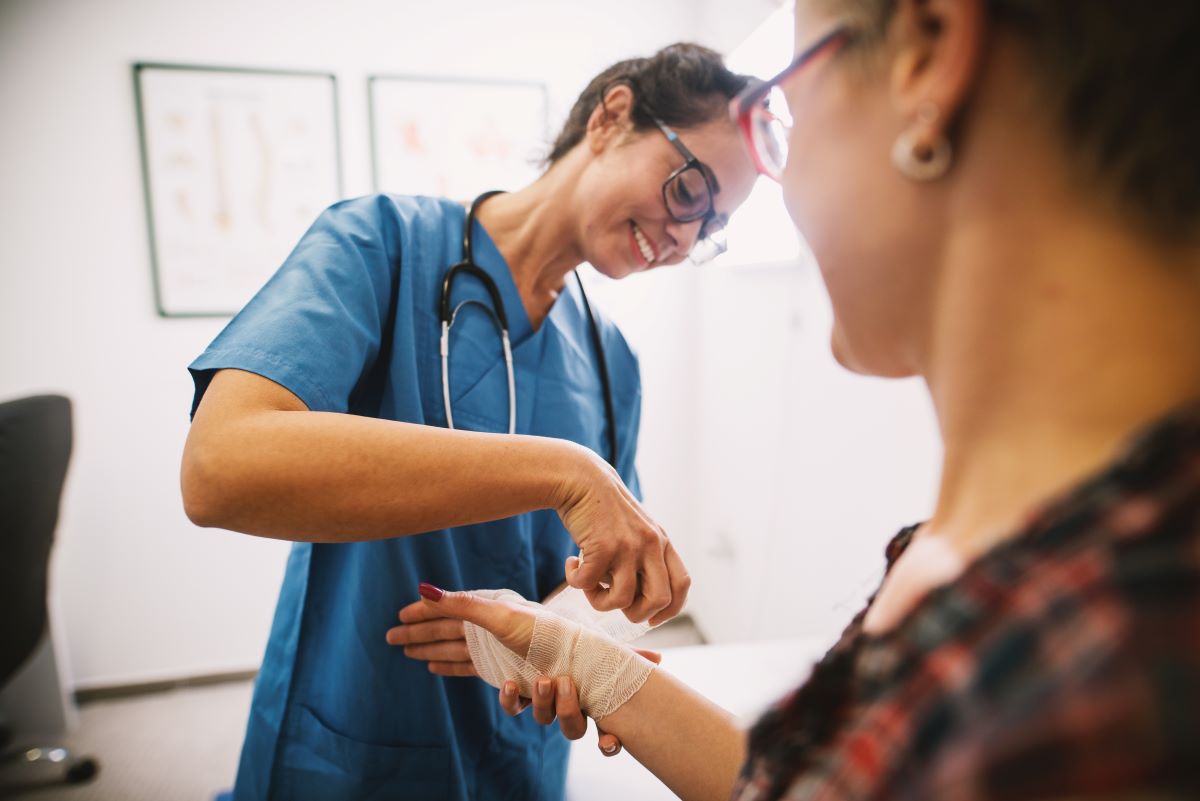
A wound care nurse is a specialized healthcare professional who focuses on the assessment, treatment, and management of various types of wounds. These nurses play a critical role in helping patients recover from injuries, surgeries, or chronic conditions that impair the skin and underlying tissues. Wound care nurses deal with a wide range of wounds, including pressure ulcers, diabetic foot ulcers, surgical incisions, burns, and traumatic injuries. Their expertise is essential in preventing infections and complications that can arise when wounds are not properly managed. By monitoring healing progress, applying appropriate dressings, and educating patients on proper care, wound care nurses significantly improve patient outcomes. They work closely with physicians, physical therapists, and other healthcare professionals to create a holistic treatment plan. This profession requires both technical skills and a compassionate approach, as many patients face long recovery periods and physical discomfort.
Core Responsibilities and Daily Duties
The daily responsibilities of a wound care nurse are diverse and require precision and attention to detail. They start by performing thorough assessments of wounds, measuring their size, depth, and condition, and documenting these findings. Wound care nurses develop individualized care plans tailored to the specific needs of each patient, selecting the most suitable dressings, treatments, and interventions. Daily duties include cleaning wounds, applying appropriate dressings, and administering prescribed medications such as antibiotics or pain relief. They monitor the wound’s progress closely, adjusting treatment plans if healing does not progress as expected. Educating patients and their families is a major part of their role, teaching them how to manage wounds at home and recognize signs of infection. They also coordinate with other medical staff to ensure comprehensive care, including scheduling follow-up visits and collaborating with nutritionists to improve healing.
Skills and Competencies Required
To excel as a wound care nurse, both technical and interpersonal skills are essential. Clinical skills include knowledge of wound anatomy, infection control, and proper dressing techniques. Analytical skills are necessary to evaluate the healing progress and determine whether adjustments in treatment are required. Communication skills allow nurses to effectively educate patients and families about wound care management. Emotional intelligence is also vital, as wound care often involves patients experiencing pain, discomfort, or frustration with slow healing. Wound care nurses must demonstrate patience, empathy, and the ability to provide emotional support while maintaining professional boundaries. Organization and time management skills are crucial due to the need to handle multiple patients with complex needs efficiently. Additionally, they must stay current with emerging wound care technologies and treatment protocols to provide the best possible outcomes.
Education, Certification, and Training
Becoming a wound care nurse requires a solid foundation in general nursing, typically starting with a degree such as an Associate Degree in Nursing (ADN) or a Bachelor of Science in Nursing (BSN). After earning a nursing license, aspiring wound care nurses often pursue specialized certifications, such as Wound, Ostomy, and Continence Nursing (WOCN), Certified Wound Care Nurse (CWCN), or Certified Wound Specialist (CWS). These programs provide advanced knowledge on wound management, assessment, and advanced treatment techniques. Continuing education is critical, as new technologies and therapies are regularly introduced. Professional development may include attending workshops, webinars, and conferences focused on wound care best practices. Joining professional organizations helps nurses network and access resources for career advancement. Licensing requirements vary by state or country, so it is essential to stay updated on local regulations governing specialized nursing practice.
Work Environments and Career Opportunities
Wound care nurses have a wide range of work environments to choose from, making it a flexible career path. Many work in hospitals, where they manage patients with surgical or trauma-related wounds. Clinics and outpatient care centers provide opportunities to care for patients with chronic wounds, such as diabetic ulcers or pressure sores. Long-term care facilities and nursing homes require wound care expertise to manage residents at risk of pressure injuries. Home healthcare is another growing field, allowing wound care nurses to visit patients in their homes and provide personalized treatment. Some nurses specialize in outpatient wound care centers or surgery centers, focusing on post-operative recovery. Career advancement can include roles such as nurse practitioner, educator, consultant, or clinical manager in wound care programs. These opportunities allow professionals to develop leadership skills while remaining actively involved in patient care.
Challenges and Rewards of Wound Care Nursing
While wound care nursing is highly rewarding, it comes with unique challenges. Nurses often care for high-risk patients with complicated medical conditions, requiring careful monitoring and problem-solving. Infection control is a constant priority, as improper care can lead to serious complications. Emotional demands can be significant, especially when working with patients who experience prolonged healing periods or pain. Despite these challenges, wound care nurses find satisfaction in helping patients regain health and improve quality of life. Witnessing wound healing progress and reduced patient discomfort provides a sense of accomplishment. Specialized skills developed in wound care make nurses highly valued in the healthcare field. The ability to positively impact patient outcomes and overall healthcare quality is one of the most fulfilling aspects of this career.
Tools, Technology, and Innovations in Wound Care
Modern wound care relies heavily on advanced tools and technology. Nurses use a variety of dressings, including hydrocolloid, foam, and antimicrobial options, designed to promote healing and prevent infection. Electronic medical records (EMRs) help track wound progress, ensure accurate documentation, and facilitate communication with healthcare teams. Telehealth is increasingly used to provide remote consultations and monitor patients who cannot easily visit healthcare facilities. Innovations like negative pressure wound therapy, bioengineered skin substitutes, and growth factor treatments offer new ways to accelerate healing. Wound imaging devices and digital measurement tools allow for precise tracking of wound size and depth. Staying current with these technologies enables wound care nurses to deliver cutting-edge care and achieve better outcomes.
Tips for Aspiring Wound Care Nurses
For those aspiring to specialize in wound care, gaining hands-on clinical experience is essential. Working in general nursing roles with exposure to acute or chronic wounds provides a strong foundation. Networking with wound care professionals and joining professional associations can open doors to mentorship and training opportunities. Staying updated on clinical guidelines, best practices, and emerging therapies is critical to maintaining expertise. Shadowing experienced wound care nurses helps develop practical skills and confidence in patient care. Pursuing specialized certification enhances credibility and career opportunities. Developing strong communication, empathy, and organizational skills prepares nurses to manage complex cases effectively.
Frequently Asked Questions (FAQ)
What is the average salary of a wound care nurse?
The salary varies by location and experience but typically ranges between $70,000 and $100,000 annually, with higher compensation for specialized certifications or advanced roles.
How long does it take to become a certified wound care nurse?
After obtaining a nursing license, certification programs can take anywhere from a few months to a year, depending on the chosen course and clinical requirements.
What types of patients do wound care nurses usually treat?
Patients with chronic wounds, surgical wounds, pressure ulcers, burns, or diabetic foot ulcers are commonly treated by wound care nurses.
Can a wound care nurse work independently or in home care?
Yes, wound care nurses can provide care in patients’ homes, outpatient clinics, or even independently as consultants in specialized wound care programs.
What are the most common complications managed by wound care nurses?
Infection, delayed healing, tissue necrosis, and recurrence of chronic wounds are common complications that wound care nurses monitor and manage.
Takeaway
A wound care nurse plays a vital role in healthcare by promoting healing, preventing complications, and improving patient quality of life. This specialty offers a dynamic and rewarding career path with opportunities for growth, advanced certification, and involvement in innovative treatments. Those who pursue this field must combine technical skills, clinical knowledge, and compassion to provide the best care for patients. By embracing ongoing education and professional development, wound care nurses can make a lasting impact on healthcare outcomes while achieving personal and professional fulfillment.