






Chronic joint pain can significantly affect daily life, making simple activities like walking, climbing stairs, or even sitting comfortably a challenge. Persistent discomfort, stiffness, and swelling are often signs that expert care is necessary. Orthopedic specialists play a critical role in diagnosing and managing these conditions, providing both surgical and non-surgical solutions tailored to each patient’s needs. Tec Orthopedics is recognized for offering expert care, ensuring patients receive the most effective treatments for chronic joint pain.
What Is Chronic Joint Pain?
Chronic joint pain is typically defined as pain that lasts longer than three months or recurs frequently over an extended period. Unlike acute joint pain, which may result from a recent injury or strain, chronic joint pain often develops gradually and can worsen over time. Common symptoms include persistent aching, stiffness, swelling, and reduced mobility. Seeking care from orthopedic specialists early on can prevent further joint damage and improve overall quality of life.
Common Causes of Chronic Joint Pain
Understanding the cause of chronic joint pain is essential for effective treatment. Osteoarthritis is a leading cause, resulting from wear and tear of the cartilage that cushions joints. Rheumatoid arthritis, an autoimmune condition, can also lead to chronic discomfort by causing inflammation and joint deterioration. Other factors include old injuries, repetitive strain, age-related wear, and metabolic or inflammatory conditions. Orthopedic specialists at Tec Orthopedics assess these causes carefully to create personalized treatment plans that address the root of the problem rather than just the symptoms.
How Orthopedic Specialists Diagnose Chronic Joint Pain
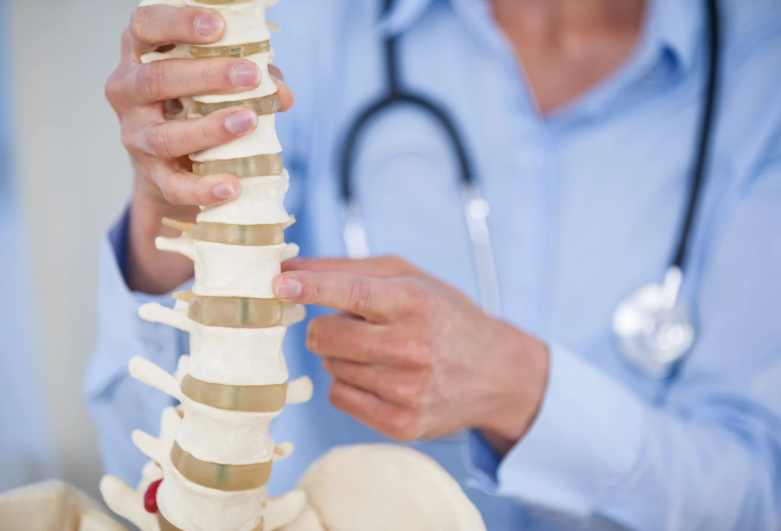
Accurate diagnosis is the first step toward effective pain management. Orthopedic specialists begin with a thorough medical history and physical examination, assessing joint function and identifying areas of pain or stiffness. Diagnostic imaging, such as X-rays, MRI scans, or CT scans, allows specialists to visualize joint structures, cartilage health, and underlying damage. Laboratory tests may also be used to detect inflammatory or autoimmune conditions. Tec Orthopedics ensures each patient receives a comprehensive evaluation, enabling precise treatment recommendations.
Non-Surgical Treatments Offered by Orthopedic Specialists
Not all chronic joint pain requires surgery. Orthopedic specialists offer a variety of non-surgical treatments aimed at relieving pain, improving mobility, and slowing disease progression. Physical therapy and rehabilitation programs strengthen muscles around affected joints, reducing strain and enhancing function. Pain management strategies, including medications and corticosteroid injections, help manage discomfort. Lifestyle modifications, such as weight management and ergonomic adjustments, also play a key role. Tec Orthopedics emphasizes non-surgical solutions whenever possible, ensuring patients benefit from minimally invasive care while maintaining active lifestyles.
Surgical Options for Chronic Joint Pain
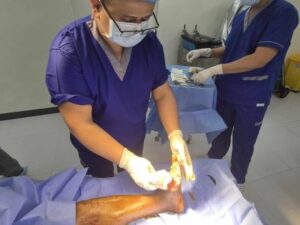
Surgery may become necessary when non-surgical treatments do not provide sufficient relief or when joint damage is severe. Orthopedic specialists perform minimally invasive procedures that reduce recovery time and minimize risks. Joint repair, reconstruction, or replacement can restore function and significantly reduce pain. Tec Orthopedics utilizes advanced surgical techniques and state-of-the-art facilities to deliver successful outcomes, helping patients regain mobility and improve overall quality of life.
Benefits of Seeing Orthopedic Specialists for Chronic Joint Pain
Seeking care from orthopedic specialists offers several advantages. Patients receive personalized treatment plans tailored to their specific condition and lifestyle. Orthopedic specialists provide access to advanced diagnostic tools and treatment technologies that improve outcomes. Effective management can enhance mobility, reduce pain, and restore independence. Tec Orthopedics combines expert knowledge, compassionate care, and cutting-edge treatments to ensure patients experience long-term relief and improved joint health.
When to See an Orthopedic Specialist for Chronic Joint Pain
It is important to consult orthopedic specialists promptly if joint pain persists beyond a few weeks or interferes with daily activities. Signs that warrant a consultation include limited range of motion, stiffness, swelling, or pain that disrupts sleep and work. Patients who have not found relief through home remedies or general treatments may also benefit from a specialist evaluation. Tec Orthopedics encourages patients to seek timely care to prevent further joint damage and optimize treatment success.
Choosing the Right Orthopedic Specialist
Selecting the right orthopedic specialist is crucial for effective management of chronic joint pain. Look for professionals with credentials, experience, and specialization in musculoskeletal conditions. A patient-centered approach and clear communication are also essential for understanding treatment options and expectations. Tec Orthopedics stands out as a trusted choice, offering highly qualified orthopedic specialists dedicated to improving joint health and overall well-being.
Takeaway
Chronic joint pain does not have to control your life. Orthopedic specialists provide the expertise and advanced treatments necessary to alleviate pain, restore mobility, and improve overall quality of life. Tec Orthopedics is a leading provider of comprehensive orthopedic care, offering both non-surgical and surgical solutions tailored to each patient. Early consultation with orthopedic specialists ensures the best outcomes and helps patients regain comfort and independence.
Frequently Asked Questions (FAQ)
Can chronic joint pain be cured or only managed?
Chronic joint pain can often be managed effectively through a combination of treatments. Some underlying conditions may be irreversible, but orthopedic specialists can significantly reduce pain and improve function.
Do all chronic joint conditions require surgery?
No. Many cases respond well to non-surgical treatments, including physical therapy, medications, and lifestyle changes. Surgery is considered only when conservative treatments are insufficient.
How long does treatment usually take?
Treatment duration varies depending on the severity of the condition and the chosen approach. Non-surgical management may take weeks to months, while surgical recovery can range from a few weeks to several months.
What lifestyle changes help reduce joint pain?
Maintaining a healthy weight, engaging in low-impact exercise, practicing proper posture, and avoiding repetitive strain can all help manage joint pain.