




Why Proper Infected Cut Treatment Matters More Than People Realize
Many people underestimate how serious an infected cut can become when handled incorrectly. What starts as a small wound can progress into swelling pain discharge or fever if bacteria are allowed to multiply unchecked. Infected cut treatment is not only about stopping discomfort but also about preventing complications that may affect overall health. A lack of awareness leads many individuals to dismiss early symptoms or rely on unsafe practices. Poor wound care habits are one of the most common reasons infections worsen instead of heal. When a cut is treated properly from the beginning the body is better supported during its natural healing process. Understanding what not to do is just as important as knowing the right steps to take.
Understanding What an Infected Cut Really Is
An infected cut occurs when bacteria enter the skin through an open wound and begin to grow. This can happen even with small injuries if the skin barrier is broken and not cleaned thoroughly. Many people mistake normal inflammation for infection which causes delays in proper infected cut treatment. Signs such as increasing redness warmth pus and throbbing pain indicate that the immune system is fighting an invading organism. Without proper care the infection may spread deeper into the tissue or nearby areas. Some infections remain localized while others can move into the bloodstream if ignored. Knowing how infections develop makes it easier to avoid common treatment mistakes.
Ignoring Early Signs of Infection
One of the most damaging mistakes in infected cut treatment is ignoring early warning signs. People often assume redness or soreness is normal healing and fail to monitor changes. When symptoms worsen instead of improve this is a signal that the wound needs attention. Ignoring drainage swelling or increasing pain allows bacteria to multiply. Many infections become severe simply because early care was delayed. Timely intervention greatly reduces healing time and discomfort. Paying attention to small changes can prevent serious complications.
Relying Only on Home Remedies
Home remedies are commonly used for cuts but relying on them alone can be dangerous. While basic cleaning is helpful it does not replace proper infected cut treatment when infection is present. Some substances believed to fight infection may actually irritate the wound. Using unverified remedies can delay effective care and worsen symptoms. Temporary relief may mask deeper problems within the tissue. When symptoms persist or intensify professional care becomes essential. Home care should support healing not replace medical guidance.
Improper Cleaning and Wound Care Practices
Improper cleaning is a major contributor to wound infections. Many people either clean too aggressively or not enough which damages healthy tissue. Using harsh substances can slow healing and increase pain. Failing to wash hands before touching the wound introduces more bacteria. Reusing dirty bandages or tools further increases infection risk. Effective infected cut treatment requires gentle cleaning with clean materials. Consistent care supports the body without interfering with recovery.
Incorrect Use of Antibiotics
Antibiotics are powerful tools but they must be used correctly. Applying them unnecessarily can contribute to resistance and reduced effectiveness. Stopping antibiotic use early may allow bacteria to return stronger than before. Overuse of topical antibiotics can also cause skin irritation. Not all infected cuts require antibiotics which is why proper evaluation matters. Misuse complicates future infected cut treatment efforts. Following professional advice ensures medication supports healing rather than hindering it.
Covering or Exposing the Wound at the Wrong Time
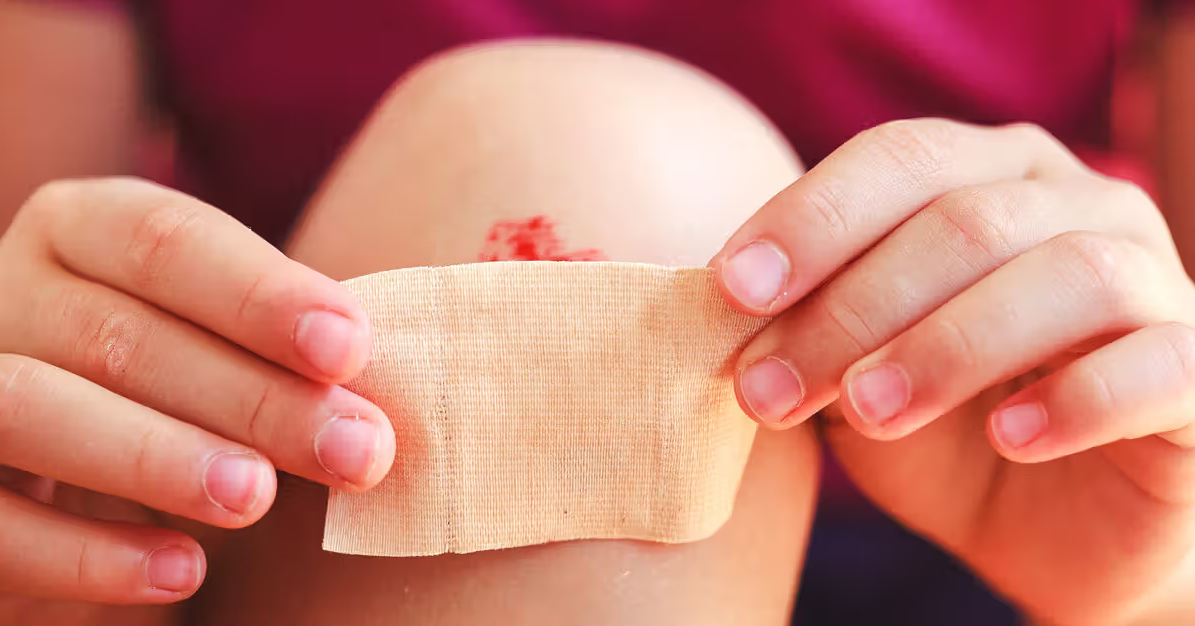
Some people believe wounds heal faster when exposed to air while others keep them covered too long. Both approaches can interfere with infected cut treatment if used incorrectly. Leaving a wound uncovered may expose it to bacteria and dirt. Covering it improperly may trap moisture and worsen infection. Dressings should be changed regularly and applied correctly. Knowing when to cover or uncover a wound supports healthy healing. Proper balance protects the cut while allowing recovery.
Delaying Professional Medical Care
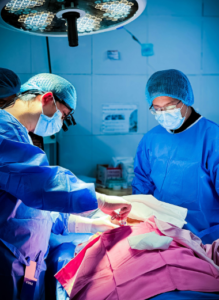
Delaying medical care is one of the most serious mistakes in infected cut treatment. Persistent pain swelling fever or red streaks indicate a need for urgent evaluation. Many individuals wait too long hoping symptoms will resolve on their own. Infections can spread rapidly and become life threatening if untreated. Healthcare providers can assess severity and recommend appropriate care. Seeking help early prevents complications and speeds healing. Medical guidance is essential when symptoms escalate.
Overlooking Underlying Health Conditions
Certain health conditions make infected cut treatment more complex. Diabetes poor circulation and immune disorders slow healing and increase infection risk. Medications may also affect the body’s ability to fight infection. Ignoring these factors leads to ineffective treatment. Personalized care is necessary for individuals with chronic conditions. Monitoring wounds closely reduces complications. Awareness of personal health factors improves treatment outcomes.
Returning to Normal Activities Too Soon
Resuming normal activity before a wound heals fully can reopen the cut. Movement and friction increase the chance of reinfection. Many people underestimate how fragile healing tissue is. Protecting the wound during recovery is essential for proper infected cut treatment. Strain and contamination delay progress. Allowing adequate rest supports tissue repair. Healing requires patience and care.
Key Practices That Support Safer Infected Cut Treatment
Understanding what to avoid is only part of effective care. Healthy habits improve healing and reduce infection risk. Consistency and awareness make a significant difference.
Here are important practices to support recovery
1 Clean wounds gently and consistently
2 Monitor changes in appearance and pain
3 Change dressings regularly using clean materials
4 Seek medical advice when symptoms worsen
5 Protect wounds during daily activities
Following these practices strengthens overall infected cut treatment efforts.
Frequently Asked Questions About Infected Cut Treatment
How long does an infected cut take to heal
Healing time depends on severity location and overall health. Minor infections may improve within a week while more serious cases take longer. Proper infected cut treatment shortens recovery time. Delays or mistakes can extend healing significantly.
Can an infected cut heal without antibiotics
Some mild infections heal with proper cleaning and care. Others require antibiotics to fully eliminate bacteria. A healthcare provider can determine the best approach for infected cut treatment.
What are signs that an infection is spreading
Increasing redness swelling fever and red streaks are warning signs. Worsening pain and fatigue may also indicate spread. Immediate medical care is necessary when these symptoms appear.
Is pus always a sign of infection
Pus usually indicates infection but small amounts may occur during healing. Thick discolored or foul smelling discharge should be evaluated. Monitoring changes supports safe infected cut treatment.
When should a cut be checked by a professional
Any cut that worsens after a few days should be evaluated. Pain swelling or fever are clear signals. Early care prevents serious complications.
Are some cuts more likely to become infected
Deep dirty or jagged cuts carry higher risk. Wounds exposed to moisture or friction are also vulnerable. Proper infected cut treatment reduces these risks.
Takeaway
Avoiding common mistakes in infected cut treatment protects both short term healing and long term health. Small wounds deserve attention and care just like larger injuries. Ignoring symptoms relying on improper remedies or delaying help can lead to serious complications. Understanding what actions hinder healing empowers better decision making. Safe consistent and informed care supports the body’s natural recovery process. When in doubt professional guidance is always the safest option. Proper infected cut treatment begins with awareness and responsible action.