






Orthopedic specialists focus on diagnosing and managing conditions that affect bones, joints, muscles, tendons, and ligaments. These medical professionals are trained to address pain, mobility issues, and injuries that interfere with daily life. Many people seek orthopedic specialists when discomfort limits walking, lifting, or even simple movements. Their work plays a key role in restoring function and improving quality of life. From acute injuries to long term joint concerns, orthopedic specialists offer solutions tailored to individual needs. They combine medical knowledge with advanced diagnostic tools to understand how the body moves and where problems begin. This specialized care helps patients regain confidence in their physical abilities and stay active longer.
Understanding the Scope of Orthopedic Care
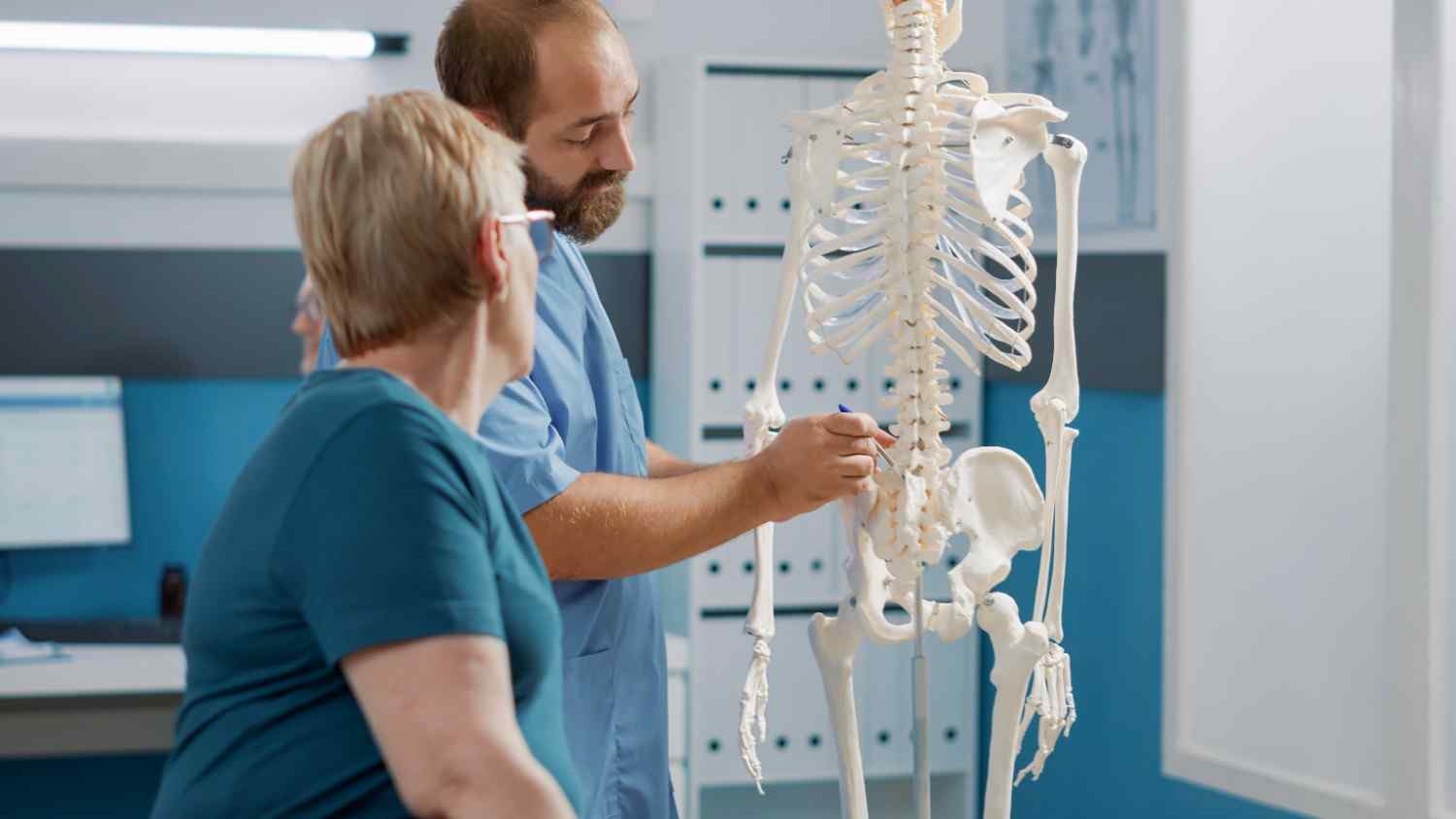
Orthopedic care extends far beyond treating broken bones. Orthopedic specialists evaluate how the musculoskeletal system functions as a whole. They consider posture, movement patterns, lifestyle habits, and medical history when assessing a patient. Many conditions treated by orthopedic specialists develop gradually over time rather than appearing suddenly. Early assessment can help prevent worsening pain or permanent joint damage. Patients often appreciate the detailed approach orthopedic specialists take when explaining diagnoses and treatment options. This clarity empowers individuals to make informed decisions about their health.
Areas of the Body Treated by Orthopedic Specialists
Orthopedic specialists treat nearly every part of the musculoskeletal system. Their expertise covers both large joints and smaller, more delicate structures. Conditions affecting the spine, shoulders, hips, knees, hands, and feet fall within their scope of care. Each area requires unique knowledge and techniques to ensure proper healing and function. By understanding how these areas interact, orthopedic specialists provide comprehensive care rather than isolated treatment. Their ability to address multiple problem areas makes them essential for complex or widespread pain issues. This whole body perspective supports long term mobility and stability.
Focus on Upper and Lower Extremities
Upper extremities such as shoulders, elbows, wrists, and hands are essential for daily tasks and occupational demands. Lower extremities including hips, knees, ankles, and feet support balance and movement. Orthopedic specialists recognize how strain in one area can affect another. For example, knee pain may originate from hip alignment or foot mechanics. Treating the entire kinetic chain helps reduce recurring issues. This approach allows patients to regain function more efficiently and safely.
Common Conditions Managed by Orthopedic Specialists
Orthopedic specialists manage a wide range of musculoskeletal conditions. These conditions may arise from injury, aging, repetitive stress, or congenital factors. Arthritis is one of the most common reasons people seek orthopedic care. Sports injuries such as ligament tears or tendon inflammation are also frequently treated. Fractures, whether caused by trauma or weakened bones, require precise orthopedic intervention. Chronic back pain and joint stiffness often benefit from orthopedic evaluation. Addressing these issues early can prevent long term disability.
Pain, Mobility, and Structural Concerns
Pain is often the first signal that prompts patients to visit orthopedic specialists. Reduced mobility may follow if the underlying issue remains untreated. Structural problems such as misalignment or degeneration can worsen over time. Orthopedic specialists identify these concerns using detailed examinations. Treatment plans focus on relieving pain while restoring proper movement. This balanced approach supports both comfort and long term function.
Subspecialties Within Orthopedic Medicine
Orthopedic medicine includes several focused subspecialties. Each subspecialty allows orthopedic specialists to develop deeper expertise in specific areas. Sports medicine focuses on athletic injuries and performance recovery. Joint replacement care addresses severe arthritis and joint damage. Spine focused specialists manage conditions affecting the neck and back. Pediatric orthopedic care supports growing bones and developmental issues. Trauma specialists handle complex fractures and emergency injuries.
Why Subspecialization Matters
Subspecialization ensures patients receive targeted and precise care. Complex conditions often require advanced training beyond general orthopedic practice. Orthopedic specialists collaborate across subspecialties when necessary. This teamwork improves treatment outcomes and recovery timelines. Patients benefit from receiving care that matches the exact nature of their condition. Specialized knowledge leads to more accurate diagnoses and effective treatments.
Diagnostic Tools Used by Orthopedic Specialists
Accurate diagnosis is essential for effective orthopedic care. Orthopedic specialists rely on a combination of physical exams and imaging tools. Movement assessments help identify weaknesses or imbalances. Imaging studies provide detailed views of bones and soft tissues. Medical history plays a vital role in understanding how symptoms developed. Diagnostic precision allows for personalized treatment strategies. Patients gain confidence knowing their care plan is based on thorough evaluation.
Common Diagnostic Methods
Orthopedic specialists may use several diagnostic tools depending on the condition. These tools help confirm findings and rule out other issues. In the middle of care planning, orthopedic specialists often rely on the following methods.
1 X ray imaging to assess bone structure and alignment
2 MRI scans to evaluate soft tissue injuries
3 CT scans for detailed bone visualization
4 Physical movement testing to identify functional limitations
5 Review of lifestyle and activity patterns
Each method contributes valuable information. Together, they form a clear picture of the patient condition. This comprehensive process supports accurate treatment decisions.
Treatment Options Provided by Orthopedic Specialists
Treatment plans vary based on diagnosis, severity, and patient goals. Orthopedic specialists often begin with non surgical options when appropriate. Physical therapy helps strengthen muscles and improve mobility. Medications may reduce inflammation and pain. Injection therapies can target specific problem areas. Surgical options are considered when conservative care does not provide relief. Recovery planning is always part of the treatment discussion.
Personalized and Progressive Care
Orthopedic specialists tailor treatment to each individual. No two patients experience pain or injury in the same way. Ongoing monitoring allows adjustments as healing progresses. Education plays a major role in treatment success. Patients learn how to protect joints and prevent re injury. This partnership approach encourages active participation in recovery.
The Patient Experience When Visiting Orthopedic Specialists
Visiting orthopedic specialists often begins with a detailed consultation. Patients discuss symptoms, daily challenges, and medical history. The specialist performs a physical examination focused on movement and strength. Diagnostic tests may be ordered if needed. Treatment options are explained clearly and thoroughly. Patients are encouraged to ask questions and express concerns. This transparent process builds trust and understanding.
Coordinated Care and Follow Up
Orthopedic care frequently involves a team approach. Physical therapists and other providers may be part of the care plan. Follow up visits track progress and adjust treatments. Communication remains open throughout recovery. Patients appreciate knowing what to expect at each stage. This structured experience reduces uncertainty and stress.
Orthopedic Specialists and Injury Prevention
Prevention is an important part of orthopedic care. Orthopedic specialists educate patients on safe movement and proper posture. Strengthening exercises reduce strain on joints. Ergonomic guidance helps prevent workplace injuries. Athletes receive advice on training techniques and recovery. Early intervention can stop minor issues from becoming major problems. Preventive care supports long term musculoskeletal health.
Building Strong and Resilient Movement
Injury prevention focuses on balance, flexibility, and strength. Orthopedic specialists emphasize gradual progression in activity. Overuse injuries often result from ignoring early warning signs. Proper footwear and equipment also play a role. Lifestyle adjustments can significantly reduce injury risk. Patients who follow preventive guidance often experience fewer setbacks.
When to Seek Care From Orthopedic Specialists
Recognizing when to seek orthopedic care is essential. Persistent pain lasting more than a few weeks should not be ignored. Swelling, stiffness, or limited range of motion may indicate deeper issues. Sudden injuries accompanied by severe pain require prompt attention. Difficulty performing daily activities is another warning sign. Orthopedic specialists help clarify the cause of these symptoms. Early evaluation often leads to better outcomes.
Timely Care and Long Term Benefits
Delaying care can allow conditions to worsen. Orthopedic specialists address problems before permanent damage occurs. Early treatment may reduce the need for invasive procedures. Patients often recover faster when care begins promptly. Awareness of warning signs empowers individuals to act. Seeking care at the right time protects mobility and independence.
Advances and Innovations in Orthopedic Medicine
Orthopedic medicine continues to evolve with new technologies. Orthopedic specialists use advanced imaging for precise diagnosis. Minimally invasive procedures reduce recovery time. Robotic assistance improves surgical accuracy. Regenerative therapies explore natural healing methods. Data driven rehabilitation programs enhance recovery tracking. Innovation supports safer and more effective care.
The Future of Orthopedic Care
Technology continues to shape orthopedic treatment. Personalized medicine is becoming more common. Orthopedic specialists stay current through ongoing education. These advances benefit patients through improved outcomes. Recovery experiences become more predictable and efficient. The future of orthopedic care emphasizes precision and patient centered approaches.
Frequently Asked Questions About Orthopedic Specialists
What conditions do orthopedic specialists treat
Orthopedic specialists treat conditions affecting bones, joints, muscles, tendons, and ligaments. These include arthritis, fractures, sports injuries, and chronic joint pain. They also manage spinal conditions and mobility issues. Treatment may involve non surgical or surgical options. Care is tailored to each patient. Their goal is restoring movement and reducing pain. Early care often improves results.
Do orthopedic specialists always recommend surgery
Surgery is not always recommended. Orthopedic specialists often begin with conservative treatments. Physical therapy and medications are commonly used. Surgery is considered when other options do not provide relief. The decision depends on condition severity and patient goals. Specialists explain all options clearly. Patients are involved in the decision making process.
How long does recovery usually take
Recovery time varies by condition and treatment type. Minor injuries may improve within weeks. Surgical recovery may take several months. Orthopedic specialists provide realistic timelines. Follow up care supports healing progress. Patient participation influences recovery speed. Consistent care improves outcomes.
Are orthopedic specialists involved in preventive care
Yes preventive care is a key part of orthopedic practice. Specialists educate patients on injury prevention strategies. They address posture, strength, and movement habits. Preventive care reduces future injury risk. Early assessment can identify potential problems. Ongoing guidance supports long term health. Prevention is an essential aspect of orthopedic care.
What is the difference between an orthopedic specialist and a general doctor
General doctors address a wide range of health issues. Orthopedic specialists focus specifically on musculoskeletal conditions. Their training is specialized and extensive. They manage complex bone and joint problems. Orthopedic specialists use advanced diagnostic tools. Their expertise supports targeted treatment. Patients benefit from focused care.
Takeaway
Orthopedic specialists play a vital role in maintaining movement, comfort, and independence. Their expertise supports individuals facing pain, injury, or mobility challenges. Through accurate diagnosis, personalized treatment, and preventive guidance, they help patients regain function and confidence. Seeking care early and following professional advice can lead to better outcomes. Orthopedic specialists offer comprehensive solutions for musculoskeletal health at every stage of life.