







Abscesses are a common medical issue that can develop quickly and cause significant discomfort. They occur when pus collects under the skin or within deeper tissues due to infection. Without proper treatment, abscesses can lead to swelling, pain, fever, and even damage to surrounding tissues. Abscess Incision and Drainage is a proven method to manage these infections effectively. Patients across Quezon City, Metro Manila, and nearby provinces trust The Specialist Surgery and Cancer Center (TSSCC) for expert care, accurate diagnosis, and a comfortable, infection-controlled environment that reduces the need for hospital stays.
TSSCC provides outpatient services for Abscess Incision and Drainage, making treatment accessible, safe, and efficient. Adults, teens, seniors, and individuals with conditions such as diabetes or chronic skin infections can receive care without facing long hospital queues or high costs.
What Is an Abscess?
An abscess is a localized collection of pus that forms when the body responds to infection. The infection can result from blocked glands, skin infections, cysts, or bacteria entering minor wounds. Abscesses may appear anywhere on the body and can vary in size and severity. Common signs include redness, swelling, warmth, tenderness, and pain. In some cases, fever and body aches may accompany the infection, signaling that the immune system is fighting bacteria.
Abscesses rarely heal on their own, especially if the infection is deep or the immune system is compromised. Early intervention is crucial to prevent the infection from spreading or causing more serious complications. Abscess Incision and Drainage remains the most effective treatment to remove trapped pus and promote natural healing while reducing the risk of further infection.
What Is Abscess Incision and Drainage (I&D)?
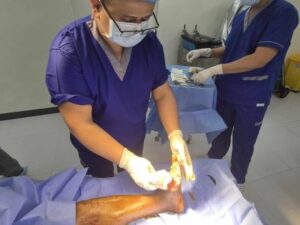
Abscess Incision and Drainage is a minor surgical procedure performed by a qualified doctor to remove pus from an abscess. The process begins with a careful examination of the affected area, followed by local anesthesia to minimize discomfort. Once the area is numb, a small incision is made to allow pus to drain completely. The doctor may also clean the cavity and place a small dressing to support healing.
This procedure offers multiple benefits. Pain usually decreases immediately after drainage, and the risk of infection spreading to surrounding tissues or the bloodstream is reduced. Performing Abscess Incision and Drainage early can prevent severe complications such as cellulitis or systemic infections. TSSCC clinics provide this procedure in an outpatient setting, ensuring patients receive expert surgical support while avoiding long hospital stays and high treatment costs.
Who Needs Abscess Incision and Drainage?
Not every abscess requires surgical intervention, but certain conditions indicate that Abscess Incision and Drainage is necessary. Patients should seek evaluation if they notice a swollen, painful lump filled with pus, redness, warmth, or tenderness around the affected area. Fever or body aches linked to the infection also warrant prompt attention.
Abscesses may develop due to ingrown hairs, boils, cysts, insect bites, or minor injuries. People who experience recurring abscesses or have chronic conditions such as diabetes or hidradenitis suppurativa benefit greatly from early treatment. Individuals with weakened immunity or those exposed to friction, sweat, or occupational skin trauma should not delay assessment.
TSSCC regularly treats patients from Quezon City, Metro Manila, and other regions who require timely abscess care. The clinic focuses on accurate diagnosis, effective Abscess Incision and Drainage, and recovery-oriented follow-up care, giving patients a reliable alternative to hospital-based treatment.
What to Expect During and After the Procedure
Abscess Incision and Drainage is performed under local anesthesia, ensuring that patients experience minimal discomfort. The doctor first cleans the affected area and then makes a small incision to release pus. Depending on the severity and depth of the abscess, the cavity may be irrigated to remove debris and prevent recurrence. A dressing is applied to protect the site and support healing.
Recovery after Abscess Incision and Drainage is typically rapid. Most patients experience relief from pain and swelling within a few days. The treated area should be kept clean, and dressings may need to be changed according to the doctor’s instructions. TSSCC provides clear post-procedure guidance to minimize the risk of reinfection. Pain or discomfort is usually manageable with over-the-counter medication or prescribed antibiotics if necessary.
Patients are advised to monitor the area for signs of recurrence or persistent infection. Follow-up appointments at TSSCC ensure that healing is progressing as expected and that additional treatment is not required.
Why Choose TSSCC for Abscess Care
The Specialist Surgery and Cancer Center offers a patient-focused approach to Abscess Incision and Drainage. Clinics are designed to provide a comfortable, infection-controlled environment. Expert doctors perform the procedure safely and efficiently, helping patients avoid the stress, cost, and long waiting times associated with hospital care.
TSSCC serves patients of all ages, including teens, adults, and seniors, while also offering specialized care for those with chronic conditions or recurring skin infections. Accessibility is a priority, with patients from Quezon City, Metro Manila, and nearby provinces receiving the same high standard of care.
Prevention and Follow-Up
Preventing abscesses begins with good hygiene and prompt attention to minor skin infections. Managing chronic conditions such as diabetes and maintaining clean, dry skin can reduce the risk of recurrent abscesses. Early evaluation of new lumps or signs of infection is key to avoiding complications.
Follow-up appointments after Abscess Incision and Drainage are important for monitoring healing, providing guidance on wound care, and preventing recurrence. TSSCC emphasizes prevention-focused care to ensure patients maintain long-term skin health.
FAQ
Can abscesses go away on their own?
Abscesses rarely resolve without medical intervention, especially if they are deep or filled with pus. Delay in treatment can result in worsening pain, fever, or tissue damage. Abscess Incision and Drainage is the most reliable method to treat abscesses effectively.
Is Abscess Incision and Drainage painful?
The procedure is performed under local anesthesia, which minimizes discomfort. Patients may feel mild pressure during the drainage, but pain usually decreases immediately after the procedure. Post-procedure care and medication further reduce any lingering discomfort.
How long does recovery take?
Most patients experience significant relief within a few days. Complete healing typically occurs within one to two weeks, depending on the size and severity of the abscess. Regular follow-up appointments at TSSCC help ensure proper recovery.
Can abscesses recur after treatment?
Recurrence is possible, especially in individuals with chronic conditions or repeated skin infections. Proper wound care, hygiene, and monitoring by a qualified doctor reduce the likelihood of recurrence. TSSCC provides guidance and preventive strategies for long-term skin health.
Who should consider outpatient Abscess Incision and Drainage?
Outpatient care is suitable for most healthy adults, teens, and seniors with localized abscesses. Patients with chronic illnesses or compromised immunity can also safely receive treatment at TSSCC under expert supervision.